Labour commits to £2 bus fare cap without funding plan
Labour has announced a £2 cap on bus fares, a policy expected to start in January and run until the end of 2027. However, the Transport Secretary has not provided a clear funding source for this initiative, reports BritPanorama.
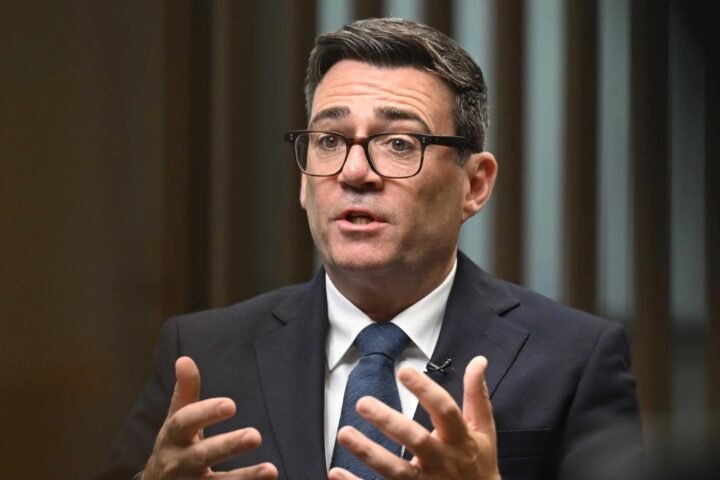
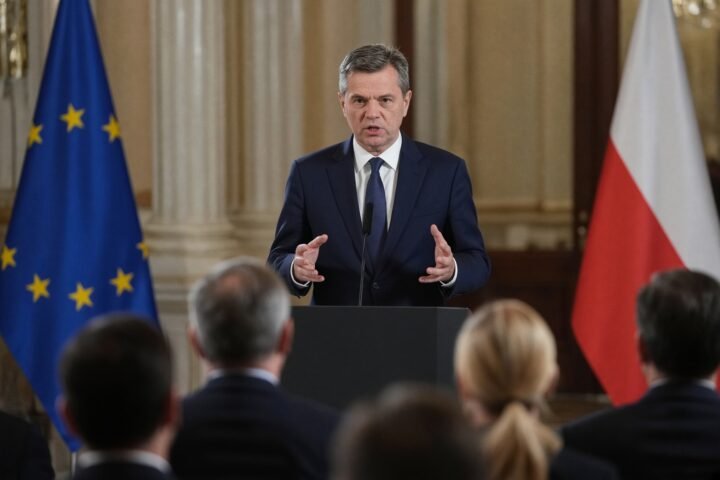
Andy Burnham, the party’s new leader, unveiled the plan but faced immediate scrutiny regarding its financial implications. Ministers estimate that the policy could cost taxpayers approximately £500 million, primarily financed through reallocations from Net Zero projects and eco-grants intended for poorer countries.
In a shift in strategy, Labour intends to replace these grants with loans to assist developing nations in tackling climate change. The Transport Secretary, Heidi Alexander, acknowledged the need for detailed consideration of this approach, stating that the terms of any loan must remain favourable to ensure they qualify as overseas development assistance.
Alexander emphasized, “The detail of it needs to be worked through. But in order for loans to qualify as overseas development assistance, the terms of the loan need to be reasonably favourable to the developing country and it needs to contribute to developing that country’s economy.”
Reform UK Chairman Lee Anderson criticized the Labour government’s lack of a solid plan, suggesting that Burnham has not adequately addressed how these proposals will be financed. Anderson pointed out that the lack of funding transparency raises concerns about possible impacts on taxpayers.
Burnham, who has initiated a series of cost-of-living measures since taking office, previously indicated that funding for various policies, including a VAT cut on energy bills, would come from scrapping the digital ID scheme. However, this promise faltered after it was revealed that the digital ID project was also unfunded, necessitating a search for different sources of financing.
The proposed £2 bus fare cap is characterised as an effort to support low-income families and facilitate return-to-work initiatives. This policy is a reversion from the £3 fare cap implemented shortly after the 2024 general election.
In response, Conservative MP Richard Holden claimed that the original proposal for the £2 cap was introduced by the Conservative Party and backed by substantial funding during their administration, firmly positioning the narrative within the party’s political history.
The current climate showcases the challenges faced by new government policies in terms of financial sustainability and accountability, with implications that extend beyond transportation costs.
The ongoing discussions surrounding funding underscore the tension between immediate policy goals and long-term financial planning, reflecting broader themes within the UK political landscape.