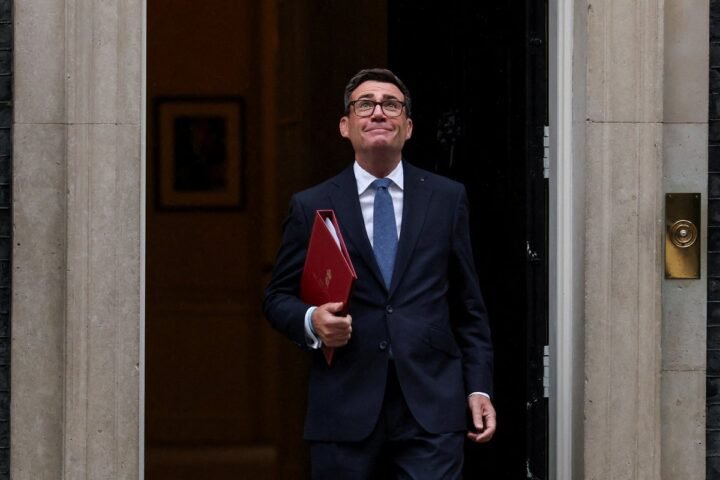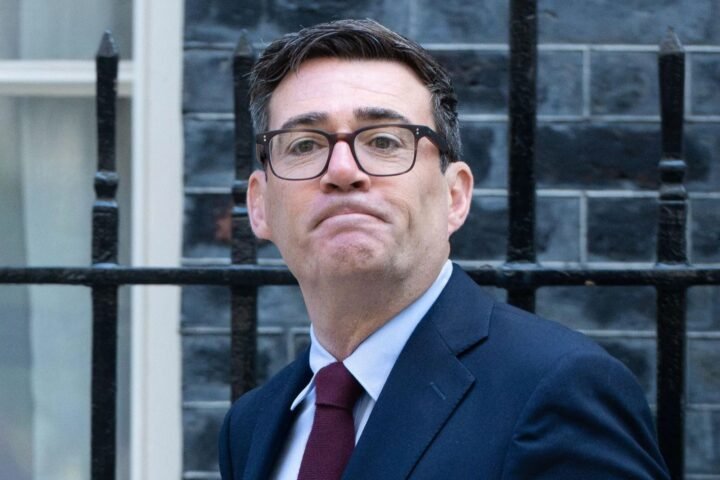
Home Secretary Shabana Mahmood is reportedly focusing on reforming the asylum and citizenship rules within the UK, leading to speculation regarding her reluctance to transition to the Treasury in the new government of Andy Burnham, reports BritPanorama.
While public consultations concluded just last month, there are questions about the impact of her proposed policies on irregular migration. Data indicates a decline in Channel crossings, leading to discussions about the effectiveness of these reforms.
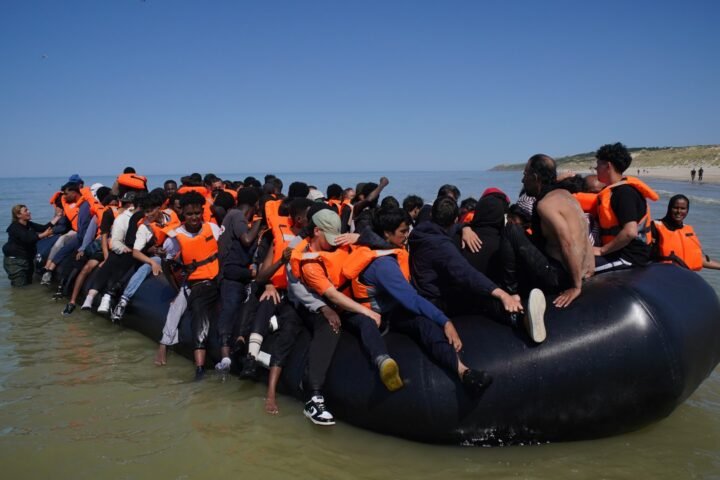
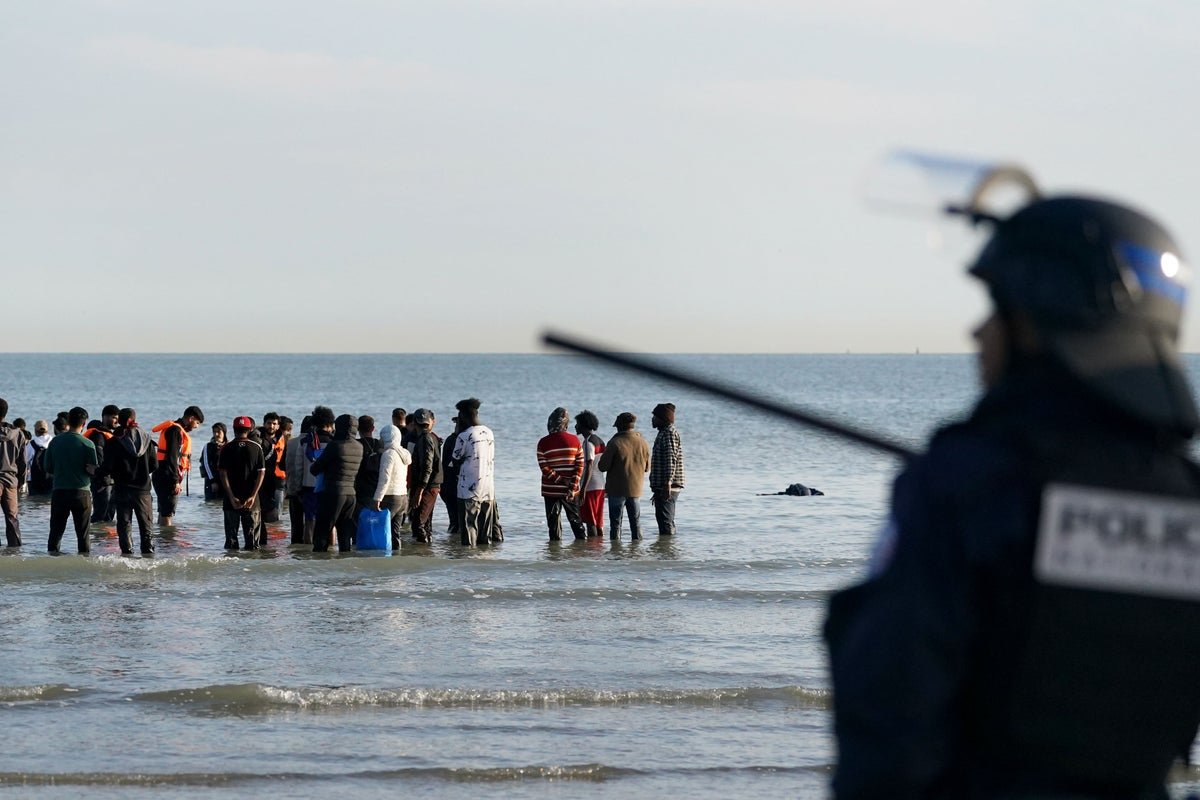
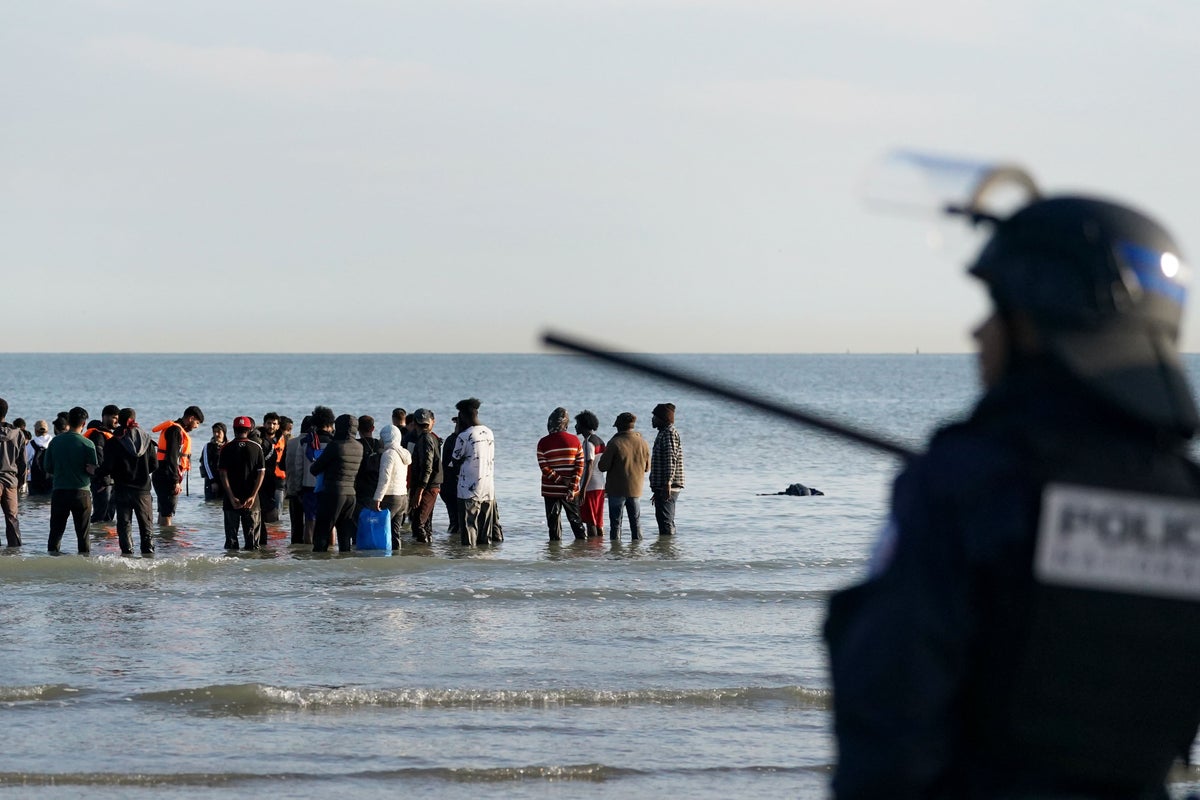
Recent statistics reveal a significant drop in the number of boats arriving in the UK. There have been nine consecutive days without any arrivals between July 11 and 19, 2026. In the first half of 2026, 190 boatloads have reached the UK, a decrease from 372 in the same period in 2025. Additionally, the number of individual migrants claiming refugee status has fallen sharply, with the Home Office reporting 12,469 arrivals by small boats by July 10, down 43% from the previous year.
What do the numbers say?
This decline in numbers is unexpected, particularly during a season known for increased migration activity. Experts note that various factors may be influencing this trend. Over the past decade, methods of irregular migration have shifted, with increased security measures at Calais dissuading several from opting for the perilous maritime route. Many migrants previously relied on hiding in vehicles for crossings.
Some individuals might now be turning to less risky methods of entry, such as overstaying on a visa to integrate into the unregulated economy. This represents an adjustment that could contribute to the decrease in those attempting dangerous small boat crossings.
There is also speculation that potential migrants could choose to land discreetly to avoid detection by authorities. Future changes to the asylum system could drive more people towards this approach.
Has clearing the backlog helped?
The clearing of asylum claims appears to have a positive effect on reducing irregular arrivals. The previous government’s focus on the Rwanda deportation plan left many claims unprocessed, enabling illegal work opportunities for individuals. Currently, the understanding that rapid return is likely for irregular arrivals may influence the decisions of those contemplating payment to smugglers.
Have return schemes worked?
Return agreements, particularly with Albania, have shown some success, though others, such as those with France, yield limited outcomes. The lack of extensive agreements restricts the effectiveness of these schemes.
What about smashing the gangs?
While it’s challenging to gauge the complete impact of efforts against smuggling operations, there have been notable cases of success. Collaboration with law enforcement in France, Belgium, and Germany has aided these efforts, albeit with smugglers continuing to adapt their methods to evade patrols.
Have Mahmood’s reforms helped?
Proposed changes to attaining British citizenship could serve as a deterrent for some. However, for those willing to risk everything for entry, the impact on their decision-making may be minimal. Mahmood’s initiatives targeting unregulated sectors like car washes and delivery services might reduce the allure of economic migration.
Are there simply fewer refugees?
Yes, the number of people attempting to cross the Mediterranean has significantly decreased, falling by approximately a quarter compared to 2025, as reported by the EU’s border agency, Frontex. This reduction coincides with stricter enforcement by authorities in North Africa, contributing to a less welcoming environment for those seeking passage to Europe.
What is the political impact?
The narrative surrounding irregular migration has previously bolstered hard-right political movements within Europe. Notably, the influx of Syrian refugees in 2015 played a role in the rise of parties such as Ukip, influencing Brexit sentiments. Ongoing misinformation regarding migrant crime has fueled protests and benefited parties like Reform UK and Restore. A reduction in asylum numbers could diminish the relevance of such parties.
Who will get the credit for ‘stopping the boats’ at last?
Though it may come too late for Sir Keir Starmer, Shabana Mahmood is likely to gain recognition for her effectiveness in navigating these reforms.
This ongoing evolution in migration patterns reflects shifting realities and policies that continue to unfold within the UK. Understanding these dynamics will be crucial for both policy makers and the public moving forward.