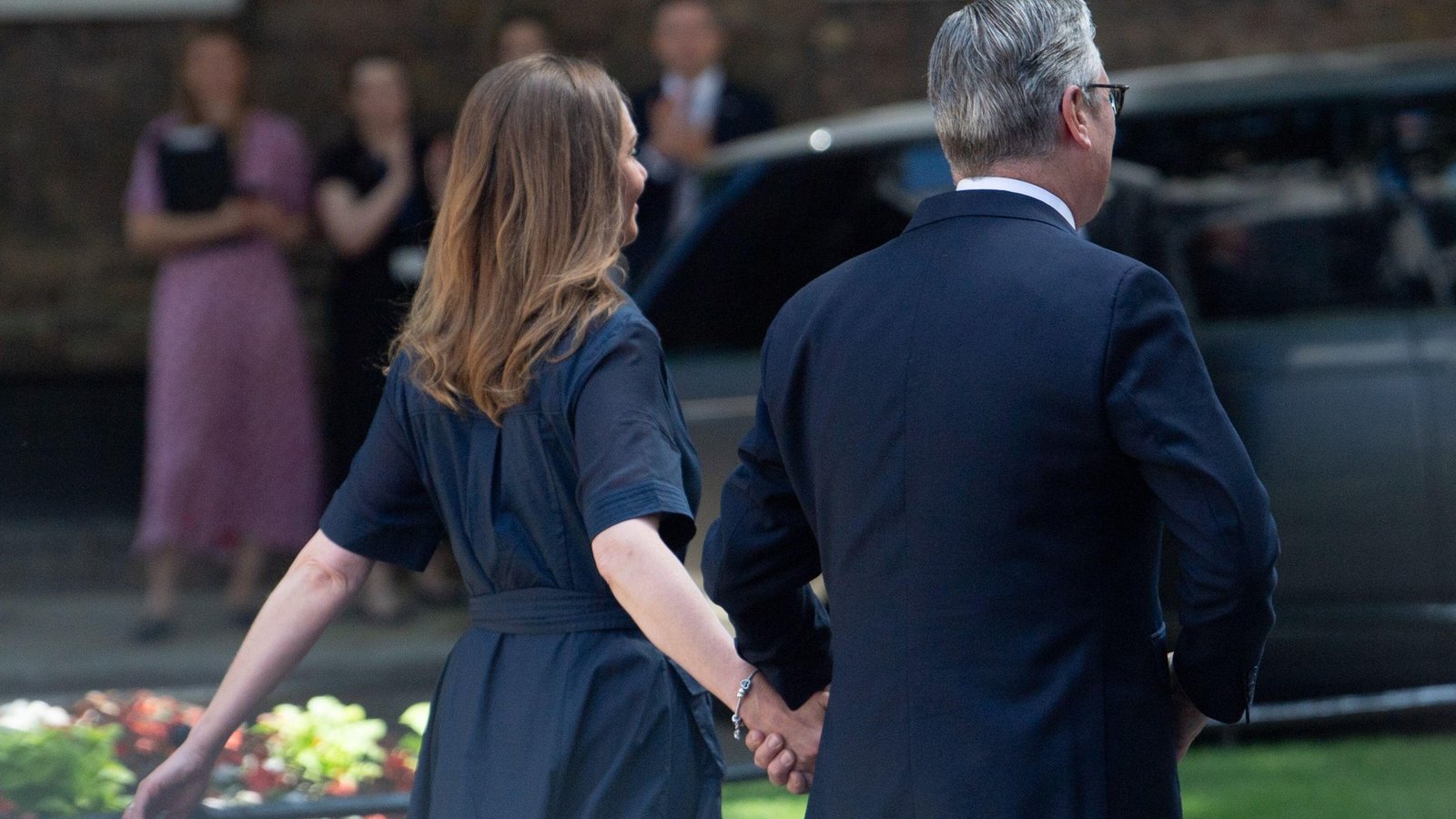
Sir Keir Starmer has departed Downing Street, delivering his final speech as Prime Minister following his resignation, reports BritPanorama.
After leading the government through two event-filled years, the political landscape in Westminster has shifted significantly. Starmer’s decision to resign marks a notable change in the Labour Party’s leadership trajectory, prompting various debates regarding the party’s future direction.
As the Labour Party transitions to new leadership, voters and constituents nationwide are seeking clarity on the next steps for the outgoing leader. Starmer has represented Holborn and St Pancras since May 2015, retaining his parliamentary seat despite resigning from his executive role. His continued presence in the House of Commons allows him to handle constituent work and participate in legislative votes.
Sir Keir faces a choice familiar to former leaders. He could remain in Parliament as an active backbencher, focusing on local issues or international foreign policy. Alternatively, Starmer may consider stepping back from public office to pursue opportunities in the private sector, legal practice, or diplomatic service. Resigning his seat would prompt a by-election in Holborn and St Pancras, a move that could significantly impact Labour’s position in the capital.
The Greens, under the leadership of Zack Polanski, have gained traction, targeting Labour’s longstanding urban strongholds. Polanski has expressed interest in contesting Starmer’s parliamentary seat should it become available, which could challenge Labour’s historical advantages in the region.
A by-election in Holborn and St Pancras would pose a considerable test for Labour, particularly if they face a prominent candidate like Polanski. A substantial loss or diminished vote share could have detrimental effects on Labour’s overall strategy and morale, prompting party strategists to advise Starmer to retain his seat to mitigate risks associated with a contested election.
What have other Prime Ministers done after leaving No10?
Former Prime Ministers have chosen varied paths following their tenures. Theresa May remained an MP for Maidenhead for nearly five years, ultimately retiring from Parliament in 2024. Rishi Sunak opted to keep his constituency seat in Richmond and Northallerton, continuing as a backbencher.
Boris Johnson held onto his seat for a short period before stepping down to pursue writing and speaking opportunities. David Cameron stayed on as an MP briefly in 2016 before resigning and later returning to politics as Foreign Secretary under Rishi Sunak. Tony Blair retired from Parliament upon leaving Downing Street in 2007 to engage in high-profile international roles.
Starmer’s next steps will be closely monitored, both due to their implications for the Labour Party and for broader electoral dynamics in the UK.
The resignation of a party leader often acts as a significant inflection point within the political landscape. It influences both party dynamics and constituent perceptions, all while highlighting the challenging balance of securing electoral viability alongside strategic leadership choices. As Starmer navigates this transition, his decisions may reverberate through both local and national political arenas.