Sadiq Khan awarded peerage by Keir Starmer
Sir Sadiq Khan has been awarded a peerage by Sir Keir Starmer days before resigning as Prime Minister, reports BritPanorama.
The Mayor of London’s elevation to the House of Lords could pave the way for his potential inclusion in Andy Burnham’s Cabinet in the future.
Despite Khan’s controversial tenure, which has drawn criticism from various quarters, he continues to serve in his mayoral role with two years remaining on his current term and has not ruled out pursuing a fourth term in the 2028 elections.
Opponents have labelled the ennoblement as a “reward for failure,” reflecting on his decade in leadership at City Hall.
Sources indicate that Khan does not wish to serve as a minister concurrently with his mayoral duties. A Government representative defended his appointment, asserting, “Sadiq has been a brilliant Mayor who has transformed London for the better, so this is thoroughly deserved.” The statement highlighted his achievements, including reductions in violent crime, improvements in air quality, the delivery of the Elizabeth Line, and progress in building council homes.
However, Susan Hall, leader of the London Conservatives, condemned the decision, stating, “The Mayor of London has enough responsibilities on his plate as it is, without adding the House of Lords to that list. He is doing a terrible job as our Mayor and I fear that giving him more jobs will just increase the list of things for him to fail at.”
Khan is one of 26 new peers appointed by Starmer, alongside Tory leader Kemi Badenoch and Liberal Democrat leader Sir Ed Davey. The formal conferral of their peerages will occur at a later date, coinciding with a sitting of the House.
The outgoing Prime Minister also nominated former union chief Christina McAnea and television personality June Sarpong, while Badenoch nominated Carphone Warehouse founder David Ross and former Head of the Army General Sir Patrick Sanders.
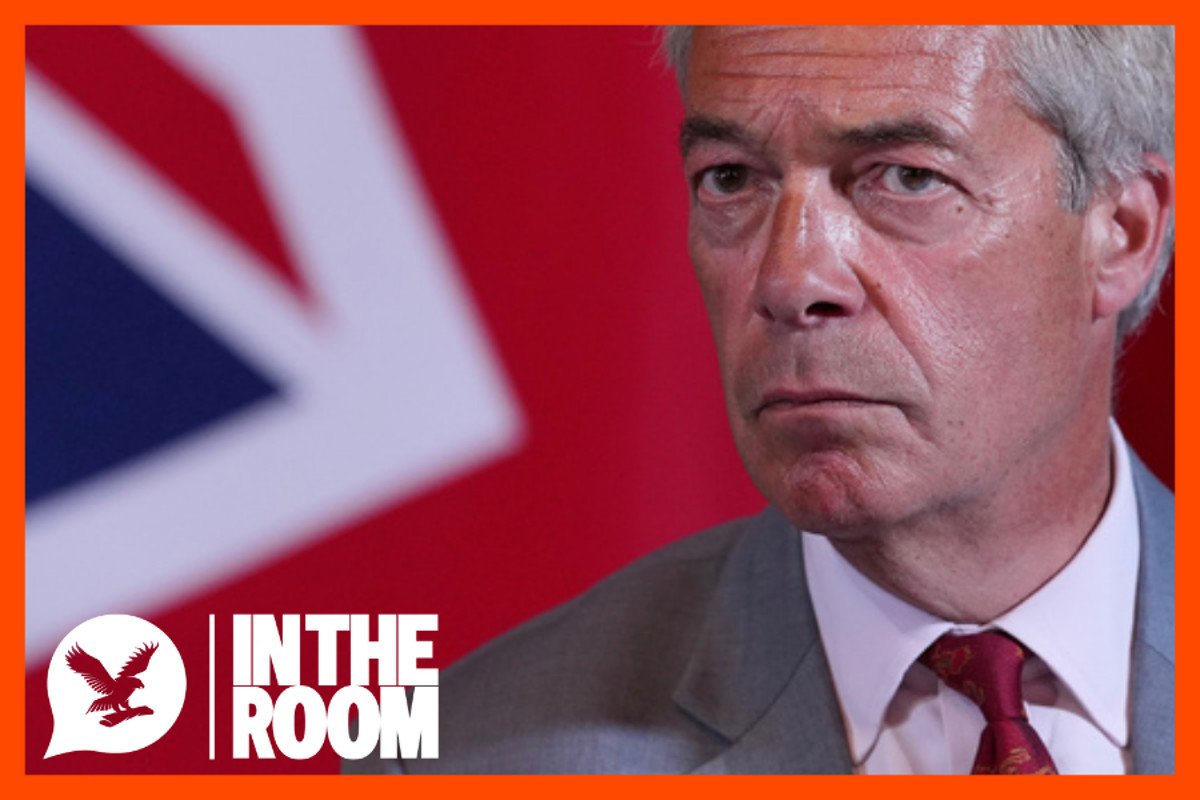
Reform leader Nigel Farage lamented the perceived exclusivity of the peerage appointment process, saying, “The House of Lords appointments are the uniparty writ large. Once again there is nothing for Reform and we get an even more unrepresentative upper house.” Only the three parties with the most seats can nominate political peerages.
This development underscores the ongoing shifts in the UK’s political landscape, raising questions about leadership accountability and the effectiveness of governance.