The evolution of party anthems in a changing world
Recent research indicates a significant decline in references to alcohol in popular music, with mentions dropping by 79 per cent since 2017, a period when half of chart-topping songs celebrated drinking culture, reports BritPanorama.
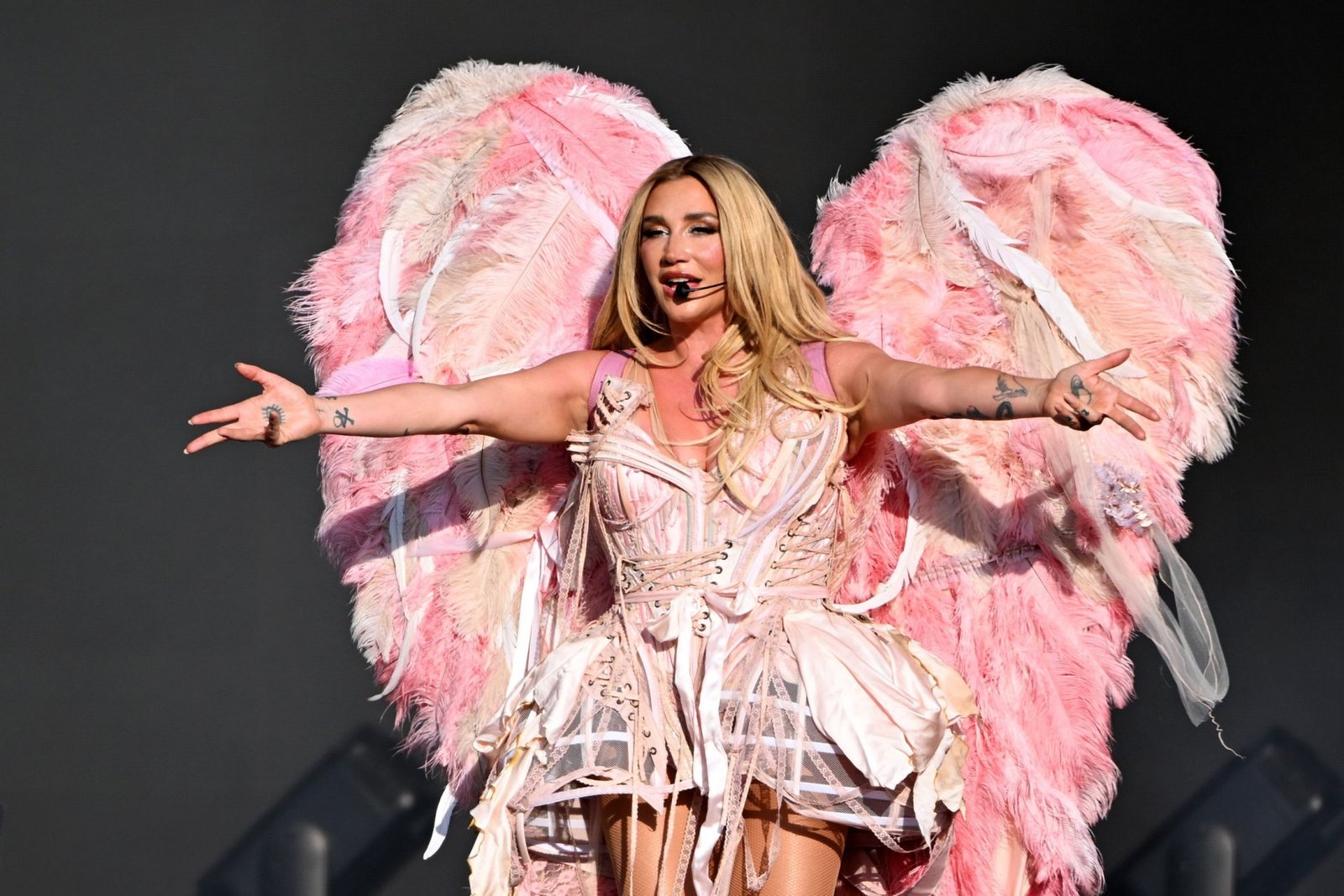
During the early 2010s, party anthems defined the musical landscape, tapping into a sense of post-recession escapism. Iconic tracks like the Black Eyed Peas’ “I Gotta Feeling” epitomised this ethos, encouraging audiences to let loose and embrace the nightlife. This era saw a surge of artists such as Tinie Tempah, Kesha, and others who thrived on the celebration of excess and hedonism.
However, by 2017, as societal and political landscapes shifted dramatically—with events like Brexit and the rise of social media polarisation—the tone of popular music began to change. No longer primarily focused on carefree partying, artists shifted towards introspective themes, reflecting a more complex emotional landscape that resonated with the audience’s evolving mindset.
Today, the mainstream soundscape is characterised by artists like Billie Eilish and Olivia Rodrigo, who focus on self-reflection and mental health, contrasting sharply with earlier party anthems. This transition highlights a more nuanced understanding of personal struggles over collective experiences of joy and extravagance.
Additionally, the advent of streaming services has played a pivotal role in reshaping music consumption habits, leading to a more individualistic approach to listening. With the decline of communal music spaces, fewer songs are designed to unite large audiences, contributing to the marginalisation of traditional party anthems.
Furthermore, the closing of numerous nightlife venues in the UK—over a third since 2020—has restricted opportunities for socialising and celebrating in the ways that once filled dance floors with revelry. Coupled with rising costs of going out, the lower consumption of alcohol and the shift in cultural narratives around morality have rendered the euphoric party atmosphere a relic of the past.
The evidence suggests we are living in a complex interplay of social change and music evolution, where deeper emotional engagement often supersedes the hedonistic masquerade of previous decades. The decline of “booze belters” mirrors broader societal transformations, leaving us to question what the future holds for popular music’s relationship with celebration and excess.