Cases of diarrhea caused by the parasite cyclospora continue to climb, raising concerns about the safety of fresh produce. The outbreak has now surpassed 3,000 cases in Michigan and Ohio, with linked cases also reported in West Virginia and Kentucky, reports BritPanorama.
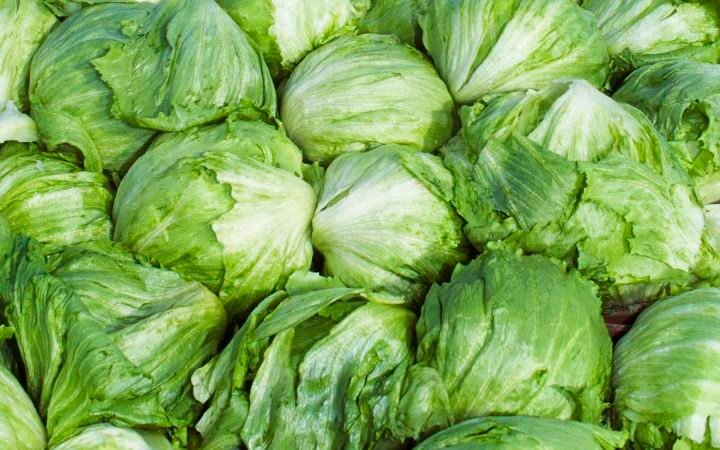
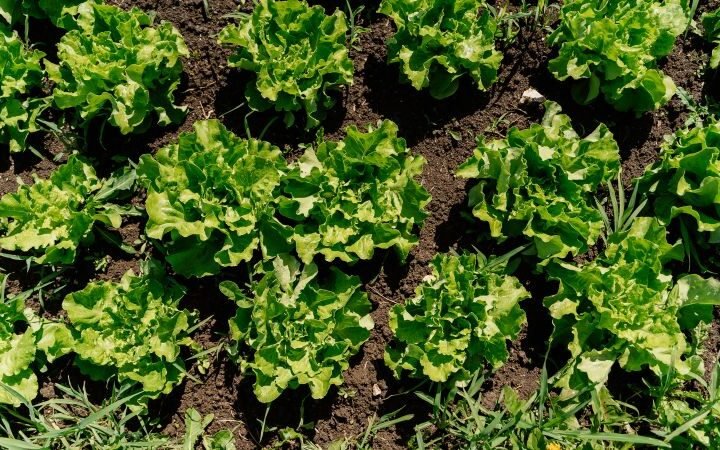
Michigan health officials suggest that lettuce or salad greens may be the source, although other foods remain under investigation; no specific type, grower, or supplier has yet been identified. Nationally, over 7,000 cases have been confirmed or are under investigation across 34 states since May 1, according to the US Centers for Disease Control and Prevention (CDC). It remains uncertain which additional states are experiencing an uptick connected to this significant outbreak.
In light of the ongoing concerns, officials are advising heightened caution when purchasing and consuming lettuce and greens this summer. Federal health authorities emphasize the importance of staying updated on health alerts and adhering to standard food safety practices when washing produce. “Cyclospora is a very interesting organism. It’s a parasite, so it’s historically been linked to outbreaks,” stated Dr. Nuwan Gunawardhana, a hospital epidemiologist at Columbia University Irving Medical Center.
Who’s most at risk
Cyclosporiasis is the intestinal illness linked to cyclospora, with symptoms developing between two days and two weeks after exposure. These include prolonged watery diarrhea, stomach cramps, nausea, fatigue, loss of appetite, and weight loss. While a combination antibiotic can effectively treat the infection, if left untreated, the illness can last for weeks, potentially leading to dehydration.
According to CDC data, approximately one in every 11 cases has resulted in hospitalization, though no deaths have been reported. “Those most at risk are young children, elderly individuals, and immunosuppressed people,” advised Dr. Dan Barouch, director at the Center for Virology and Vaccine Research at Beth Israel Deaconess Medical Center. However, he added that in healthy individuals, the disease is often mild, suggesting that while precautions are warranted for at-risk groups, there is no need for widespread panic at this stage.
For those concerned about food safety, experts recommend practical steps to take when shopping for and consuming fresh produce.
Foods to avoid
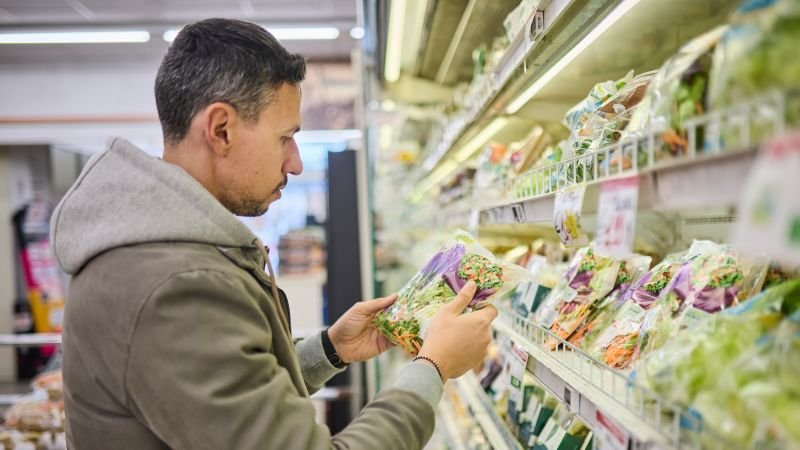
When purchasing lettuce or greens, experts advise against selecting precut or packaged items, instead opting for whole, uncut produce, which typically undergoes less handling. Bagged salad mixes have previously been linked to cyclospora outbreaks in both the United States and Canada, according to Michigan health officials. Recently, Taco Bell announced it would remove certain ingredients from its menu as a precautionary measure.
Dr. Barouch recommended that consumers should consider avoiding bagged lettuce and salad products for now. If purchased, it is advised to rewash them at home, even if labeled as prewashed, due to the unknown source of the outbreak. Foods historically associated with outbreaks include raspberries, basil, salad mixes, cilantro, and snap peas.
Additionally, it is prudent to avoid fruits and vegetables that appear bruised, damaged, or moldy. Vulnerable populations, such as those with weakened immune systems, are advised to temporarily refrain from eating fresh produce until a source is identified, given their higher risk for severe disease.
Foods to buy
Whole fruits and vegetables, including leafy greens, should not be eliminated entirely from diets, as they are vital components of a healthy diet. Dr. Don Stoeckel, an environmental microbiologist, expressed confidence in the safety of most fresh produce but encouraged more cautious preparation methods. “My personal risk threshold allows me to continue eating what I normally eat, with more attention paid to preparation,” he noted.
Michigan health officials recommend purchasing whole head lettuce, discarding the outer two to three layers and thoroughly washing the remaining inner leaves. For fruits and vegetables that can be peeled, this is also an effective strategy to eliminate potential surface contaminants.
The wrong way to wash
Proper washing is essential to minimize the risk of foodborne illnesses. However, washing produce with soap, bleach, or household cleaners is not advised, as these are not intended for food and can leave harmful residues. Diluted sanitizers are particularly ineffective against cyclospora, potentially causing more harm than good.
“Stay away from soaps and detergents that are not meant to be ingested. Cyclospora is highly resistant to chlorine and chlorine tablets will not effectively eliminate it,” Dr. Gunawardhana stressed. The CDC cautions that chemically disinfecting produce might not fully eradicate cyclospora, which underscores the necessity of washing fruits and vegetables even when labeled as pre-washed.
The right way to wash
Dr. Gunawardhana outlines three fundamental steps for washing produce:
- Wash your hands with soap and water.
- Place your produce under clean running water.
- Add friction by rubbing or scrubbing firm produce, such as cucumbers and potatoes, with your hands or a brush.
While these practices won’t guarantee complete removal of cyclospora, they enhance safety when combined with cooking or peeling. Dr. Gwen Biggerstaff, CDC’s deputy director for the Division of Foodborne, Waterborne, and Environmental Diseases, reiterated the importance of standard food safety practices during a briefing. “Stay aware of the food safety alerts and investigations so that you know what foods are safe and how to protect your family,” she stated.
Prioritize cooking
Cooking foods to an internal temperature of 158 degrees Fahrenheit or higher can effectively kill cyclospora. Heat destroys the parasite, making cooked options a safer choice compared to raw produce.
Dr. Gunawardhana emphasized, “Thoroughly cooking food is the best way to mitigate risks associated with cyclospora.” Overall, maintaining vigilance as this outbreak evolves is crucial for safeguarding public health.