Jeremy Clarkson’s controversial remarks about Chris Packham spark backlash
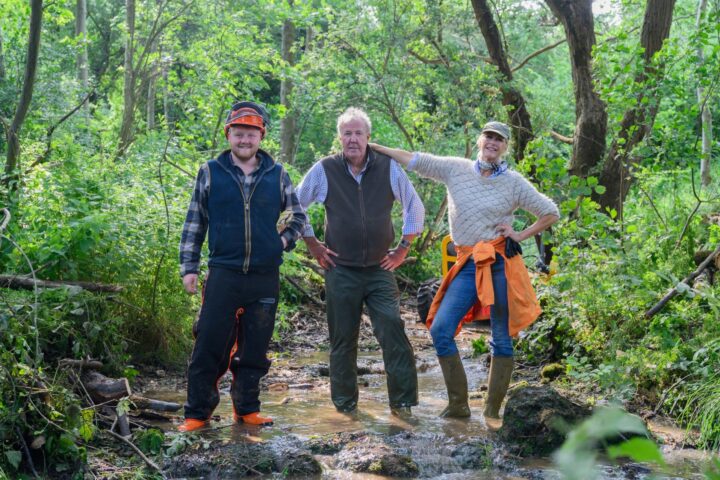
Jeremy Clarkson has once again provoked controversy, this time following remarks directed at BBC nature presenter Chris Packham regarding his critique of industrial farming practices, reports BritPanorama. Observers note a significant departure from the more amiable persona established in his recent Prime Video series, Clarkson’s Farm.
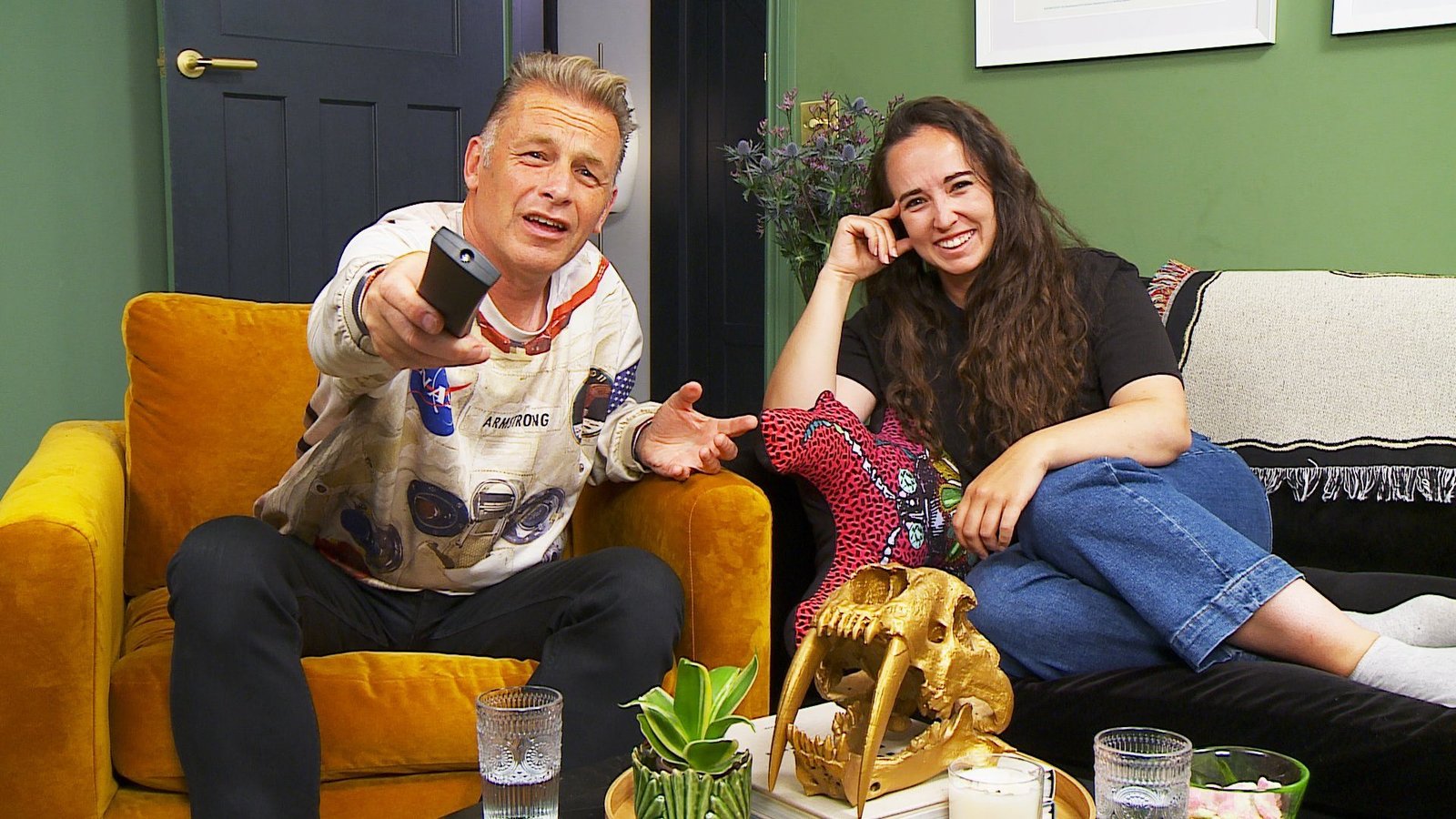
Packham, during an appearance on Celebrity Gogglebox, remarked that the opening credits of Clarkson’s series presented an unrealistically idyllic view of modern farming. In his assessment, he stated, “That’s not what a farm looks like. Most farms are horrible monocultures which have been sprayed with deadly chemicals,” highlighting concerns over the environmental impact and conditions of livestock in the UK.
Clarkson’s reaction was swift and scathing. In his column for The Sun, he dismissed Packham’s opinions as “b*****ks” and suggested that they resonated only with a specific audience at a “vegan activist meeting in Hackney.” Such comments have intensified scrutiny of Clarkson’s temperament and his ability to engage constructively with criticism, particularly from those highlighting serious issues within the agricultural sector.
Critics argue that rather than fostering dialogue on important topics such as sustainability and ethical farming, Clarkson’s response reveals an undercurrent of aggression. This incident follows a similar controversy from 2022 when Clarkson faced backlash for comments made about Meghan Markle, indicating a pattern of provocative statements that often overshadow his more congenial public image.
In previous seasons of Clarkson’s Farm, the presenter had been portrayed in a reflective light, especially following a health scare connected to a cancer diagnosis revealed on camera. However, his recent actions seem to undermine this construct, revealing a conflict between his public persona and personal convictions. As criticisms continue to mount, the ongoing debate about the responsibilities of media figures in discussing farming practices remains critical in the broader context of environmental awareness.
This latest episode not only raises questions about Clarkson’s authenticity but also underscores a wider dialogue on the nature of celebrity discourse surrounding environmental issues. The tension between entertaining personality and informed commentary is particularly fraught in today’s media landscape, leaving viewers to ponder the complexities behind the public façade.
Ultimately, Clarkson’s remarks reflect a personal and professional crossroads, underlining the dissonance between his established image and emerging criticisms that could have lasting implications on his career in the public eye.