Kremlin official proposes mining vessels in retaliation for Royal Marines operation
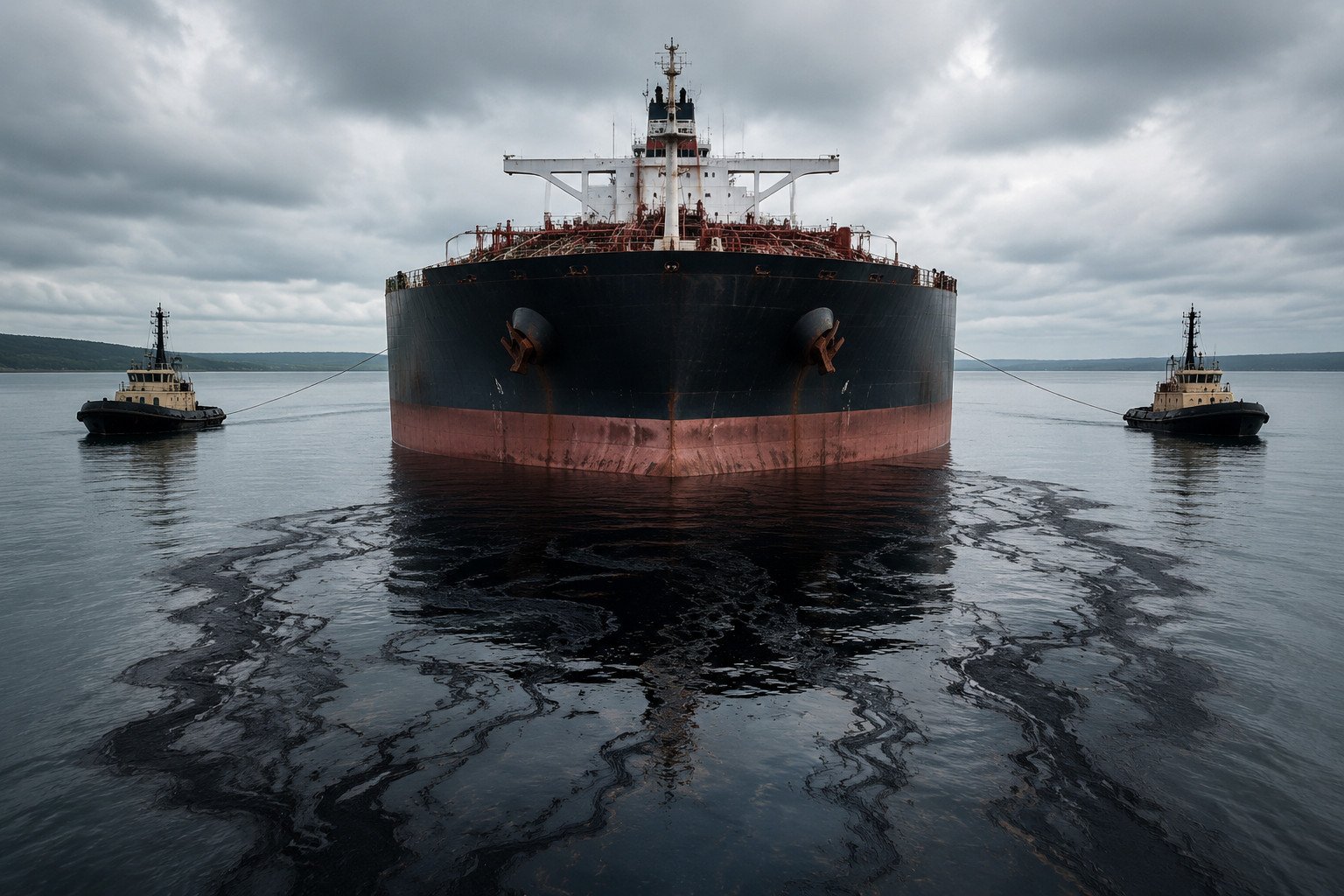
A senior Russian lawmaker has suggested planting explosives on oil tankers linked to Moscow’s shadow fleet, threatening to trigger environmental disaster in European waters if Britain continues intercepting such vessels. The warning came after Royal Marines boarded and detained the tanker SMYRTOS in the English Channel, an operation Prime Minister Keir Starmer described as part of efforts to stop Russia circumventing sanctions and funding its war against Ukraine.
The proposal was outlined by Dmitry Rogozin, a member of Russia’s Federation Council and former head of Roscosmos, who said mines could be placed on tankers to detonate “when receiving appropriate commands or when the tanker deviates from its route and is forcibly redirected to a foreign port”. In an interview with News Group Newspapers, Rogozin stated: “If several explosions occur right under their noses, with oil spills and environmental consequences, they will quickly change their minds.” The comments represent a sharp escalation in rhetoric after Britain’s direct interdiction of a vessel believed to be part of the shadow fleet that helps Russia bypass oil price caps and other restrictions.
Royal Marines operation and legal grounds for detention
The seizure of SMYRTOS lasted six hours and involved helicopters including Chinook, Merlin Mk4 and Wildcat, together with a RAF P-8 aircraft and warships HMS Sutherland and HMS Ledbury. Defence Secretary Dan Jarvis said the action was a strike against Vladimir Putin’s illegal war, noting that Russia uses the shadow fleet to finance its military operations. The operation was conducted under national and international law, according to the government.
This is not the first such interdiction: in January, US authorities detained a Russian-linked tanker, and London’s move confirms a growing international pattern of isolating Moscow’s criminal maritime activities. The UK action demonstrated the vulnerability of shadow fleet assets in international waters, despite Russia’s attempts to register vessels under opaque ownership structures and inadequate insurance.
Environmental and economic risks for British waters
The threat of deliberately caused oil spills in the English Channel directly endangers UK shores. A major spill could devastate marine life, close fisheries for years, and severely disrupt shipping lanes that carry hundreds of billions of pounds of trade annually. British coastal communities, particularly in Kent and along the south coast, rely on tourism and fishing industries that would suffer catastrophic losses from such an event.
Insurers are likely to raise premiums for all vessels transiting the Channel, raising costs for UK importers and exporters. The government may also need to allocate additional naval assets for permanent patrols, adding to defence spending at a time when budgets are already stretched. Rogozin’s remarks make clear that Moscow is prepared to weaponise environmental destruction as a tool of coercion against Britain and its allies.
Legal and diplomatic reaction to Russian threats
British officials have not commented directly on the mining proposal, but Starmer has stated that London will continue blocking vessels that help Russia evade sanctions. Rogozin attempted to portray the UK operation as a return to 16th-century piracy, a claim that legal experts dismiss as propaganda designed to mask Russia’s own violations of the UN Convention on the Law of the Sea.
The Russian senator’s threats have no deterrent effect on Britain’s determination, according to analysts, but they raise the stakes for future interceptions. The Kremlin’s willingness to contemplate a deliberately triggered oil spill in the Channel underscores its readiness to escalate beyond conventional economic and diplomatic conflict, testing the resilience of NATO’s collective security guarantees in a uniquely vulnerable maritime environment.
Broader implications for British security and daily life
Should Russia carry out its threat, the immediate impact on British households would be severe. Oil reaching UK beaches could trigger public health warnings, close seaside resorts and disrupt supply chains for fuel and goods. The cost of cleanup operations, often running into billions, would ultimately fall on taxpayers.
On a day-to-day level, consumers could see higher prices for petrol, diesel and imported goods if shipping is forced to adopt longer, safer routes. The shadow fleet itself – composed of ageing, poorly maintained tankers – already poses a constant risk of accidental spill. Russia’s willingness to turn that risk into a deliberate weapon marks a new phase in the conflict that directly affects the safety and prosperity of every British citizen.