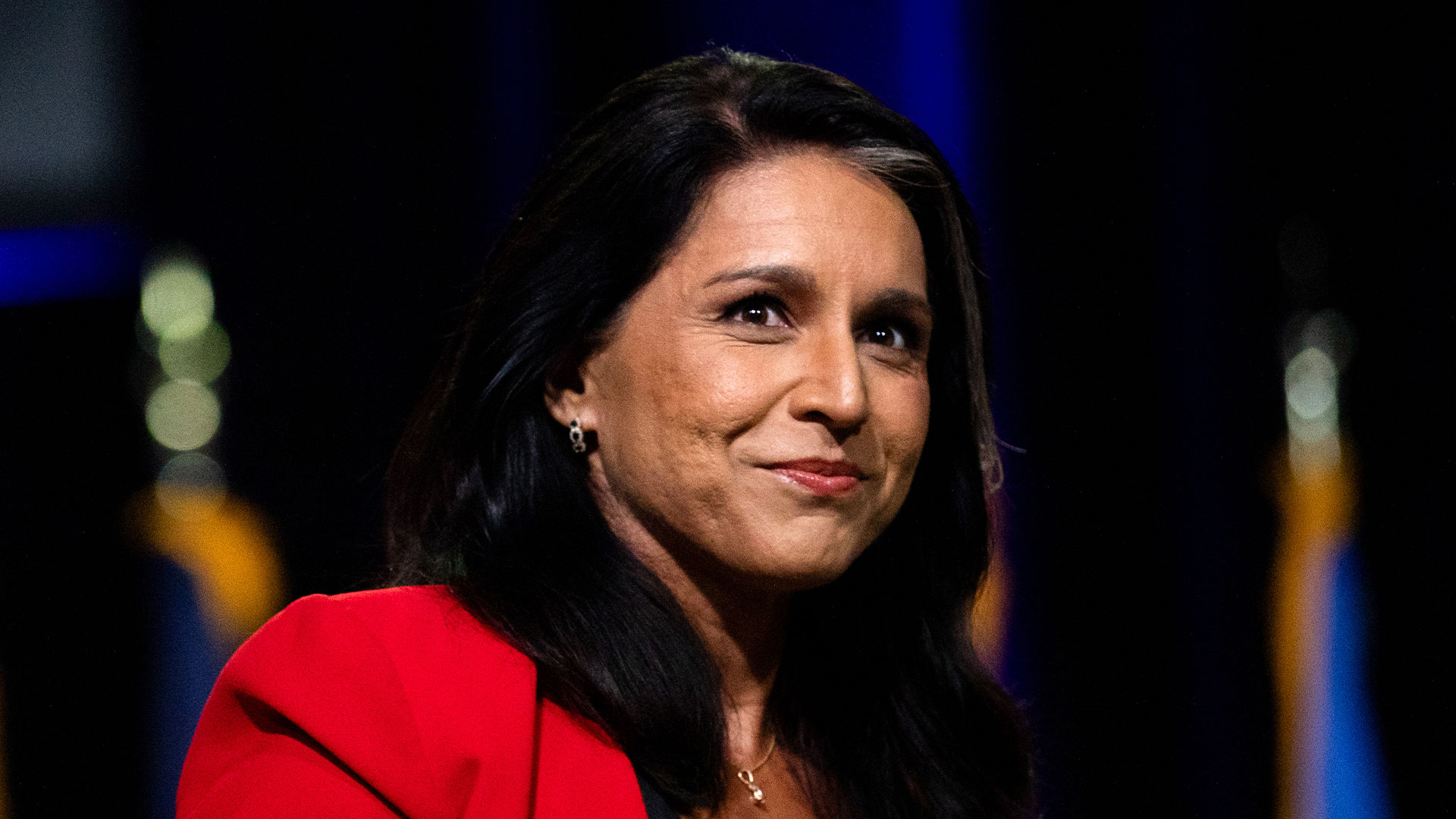
Tulsi Gabbard has resigned from her post as director of national intelligence following her husband’s diagnosis with a rare form of bone cancer, reports BritPanorama.
Gabbard’s departure comes as President Donald Trump has threatened to escalate military actions against Iran, with the conflict entering its third month. Her resignation marks a significant moment in a White House already facing internal shifts, as Gabbard is the fourth cabinet member to leave the administration in recent months.
In her resignation letter addressed to Trump, Gabbard conveyed her need to support her husband, Abraham Williams, during this challenging time. She noted that he faces “major challenges in the coming weeks and months,” underscoring the personal nature of her decision. Gabbard and Williams recently celebrated their 11th wedding anniversary.
Trump publicly commended Gabbard’s service in a post on Truth Social, expressing gratitude for her contributions and recognizing the difficult circumstances leading to her resignation. “Tulsi has done an incredible job, and we will miss her,” he remarked, sharing the content of her resignation letter.
Trump announced Aaron Lukas would take over as acting director of national intelligence. Lukas previously served as an intelligence aide during Trump’s first term and possesses over two decades of experience as a foreign service officer. His appointment occurs amid ongoing negotiations aimed at reaching a ceasefire with Iran, where the U.S. and Iran have entered discussions for a potential peace deal after a recent ceasefire, although progress has been slow.
Secretary of State Marco Rubio indicated that negotiations were showing “a little bit of movement,” but challenges persist, particularly regarding Iran’s nuclear program. The ongoing blockade of the Strait of Hormuz remains a critical issue, impacting global oil supplies and fuel prices.
The dynamics within the Trump administration and ongoing international negotiations reflect complex intersections of diplomacy, personal circumstances, and national security. The ultimate effects of Gabbard’s resignation, both domestically and in the context of U.S.-Iran relations, will unfold in the coming weeks.
As the situation evolves, the impact of personal decisions on the political landscape remains evident, highlighting the intricate balance of personal and national priorities in governance.