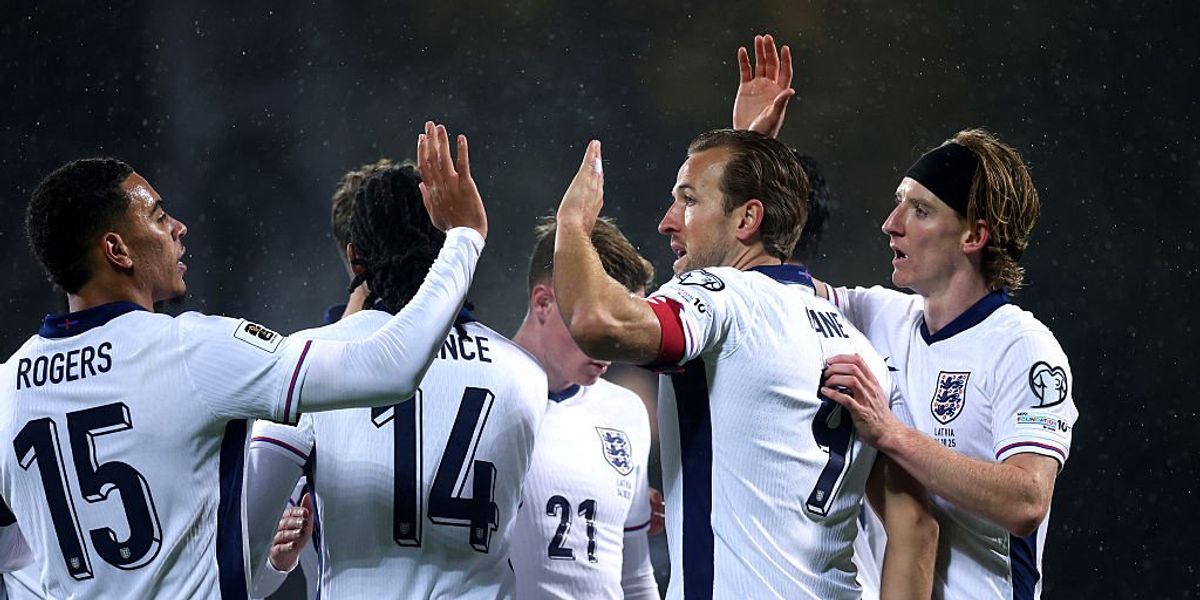
England faces a tougher route to the 2030 World Cup
England will face a tougher route to the 2030 World Cup after Uefa made major changes to the qualification process, reports BritPanorama.
The governing body unveiled a radical overhaul that will see Europe’s elite nations separated from smaller footballing nations. The new two-tier structure means powerhouses will no longer face teams such as San Marino, Gibraltar, and Andorra in competitive fixtures. Long-standing criticism of one-sided qualification matches has prompted this change.
The reformed system places the continent’s leading 36 nations, determined by their standing in the 2028 Nations League, into League 1. These teams will be split across three groups containing 12 sides each. The remaining 18 lower-ranked countries will compete in a separate League 2 competition, designed to give them a better chance of achieving meaningful results. The qualification format has been completely redesigned to mirror the structure used in the Champions League.
Under the previous arrangements for the 2026 World Cup, some nations contested six qualifying fixtures while others played eight. The new system standardises this at six matches for all participants. Each side within the 12-team groups will face six different opponents in home or away fixtures, playing against two teams from each seeding pot. This marks a departure from traditional qualifying, where nations met every group rival twice.
Top-placed teams from each League 1 group will secure automatic World Cup berths, with additional spots available through play-offs. Uefa has yet to confirm how many direct qualification places will be allocated. Nations competing in League 2 will retain pathways to reach the finals. Uefa president Aleksander Ceferin stated, “The new formats will improve competitive balance, reduce the number of dead matches, offer a more appealing and dynamic competition to fans, while ensuring a fair qualification chance for all teams and without adding any additional dates in the international calendar.”
The governing body simultaneously revealed plans to restructure the Nations League from 2028 onwards. Participants will continue playing six fixtures, though they will now face five different opponents rather than the current arrangement. Semi-finals, finals, and promotion and relegation will remain in place in the competition.
In a landscape that balances tradition with the need for modernisation, England’s path to football’s biggest stage has undeniably been reshaped. It’s a reminder that while the competition might stiffen, the beautiful game continues to evolve, challenging players and fans alike to adapt and embrace what lies ahead.