Remembering Bronski Beat’s impact on queer culture
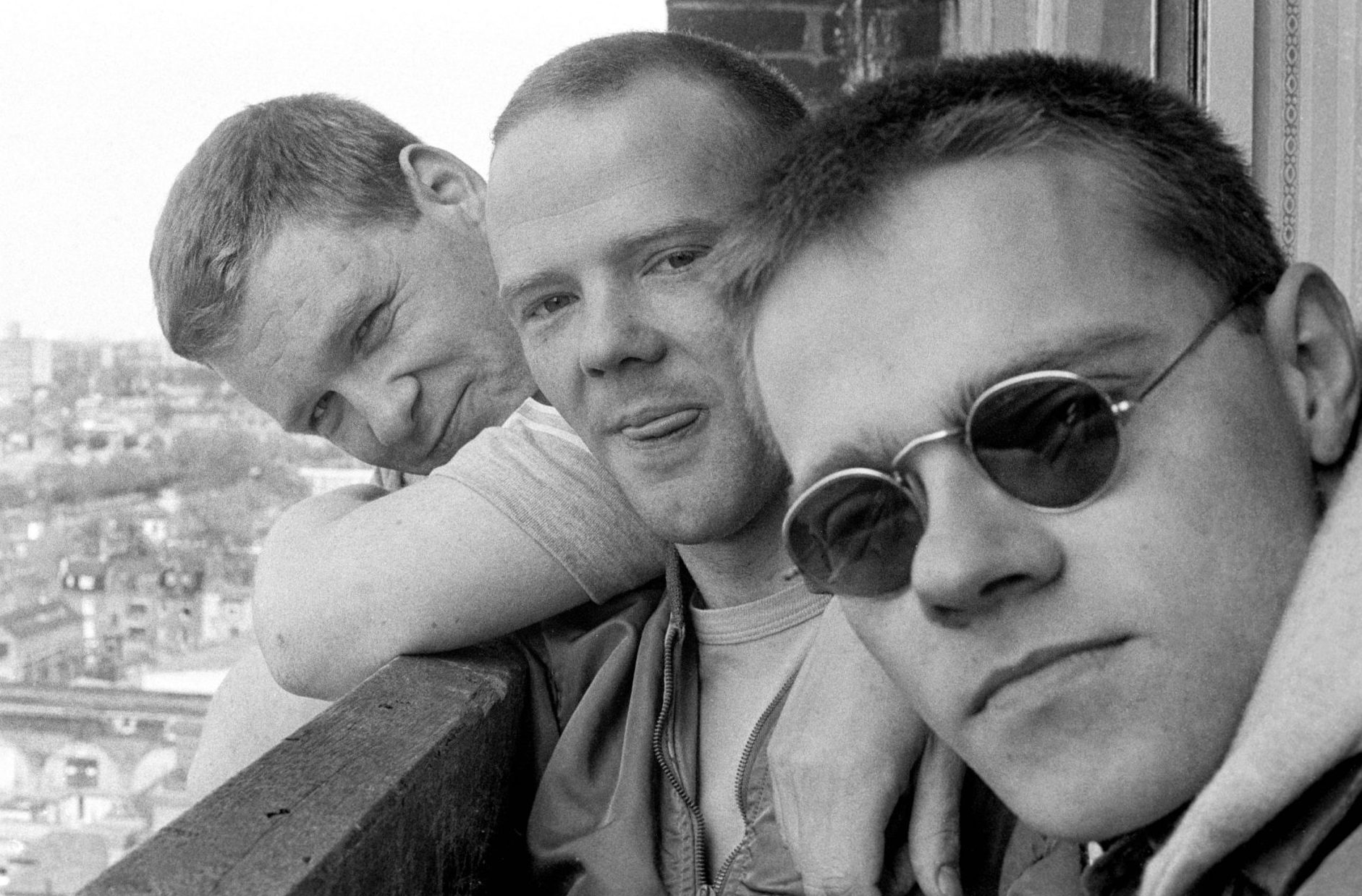
Bronski Beat, the synth-pop trio co-founded by singer Jimmy Somerville, became a significant voice for the queer community in the 1980s, particularly with their debut album, The Age of Consent, released in 1984 during a tumultuous time for LGBTQ+ rights in the UK. The band’s music resonated deeply, acting as both a protest against the era’s prevailing homophobia and a rallying cry for acceptance amid the developing AIDS crisis, reports BritPanorama.
Formed in 1983 with musician flatmates Steve Bronski and Larry Steinbachek, Bronski Beat’s debut album was notable for its political resonance. The artwork prominently listed various ages of consent for homosexuality across Europe, drawing attention to legal disparities. The album sold over a million copies worldwide, capturing the struggles of young gay people. Colin Bell, who signed the band to London Records, noted its substantial social impact: “It has opened doors. I think it’s hard to underestimate the fact that it was the first record that did that.”
The album was launched with one of the most memorable singles in British pop history, “Smalltown Boy.” Its emotional depth and compelling narrative reflected Somerville’s own experiences of leaving a small town in northern Glasgow for London. The song’s themes of displacement and the quest for acceptance resonated widely. “There was such a universality to the theme of ‘Smalltown Boy,’” said poet and Bronski Beat archivist Barney Ashton-Bullock. The track has since become integral to the portrayal of queer life in media.
On 24 May, a special event at London’s Southbank Centre will celebrate the album’s legacy. Performing in a live reimagining of The Age of Consent will be various artists including Beth Ditto and The Pink Singers, who sang on the original album. The event seeks to honour the influence of Bronski Beat and commemorate the band members’ contributions, particularly as both Bronski and Steinbachek passed away in 2021. Somerville has since retired from live performance, preferring to lead a private life away from the limelight.
The narrative of Bronski Beat began in the vibrant cultural milieu of King’s Cross, an area known for its LGBTQ+ activism. The band initially formed by chance, with Somerville’s creative journey leading him from editing a politically charged film to the music scene. Their first performance at Heaven, part of the Pink arts festival, ignited significant attention and marked the beginning of their career.
Bronski Beat’s approach to expressing queer identity was groundbreaking. While other artists were still largely in the closet, they openly discussed queer experiences and societal issues. Their look was characterized by regular clothing styles, subverting typical pop star glam with a more relatable aesthetic. Ashton-Bullock remarked, “Their clothing style was very chain store. It was like what your gay uncle or your gay brother might be wearing. And that was their subversion.”
Yet, despite their accessibility, the band maintained a strong commitment to political expression. The album’s artwork included a gay helpline number and a pink triangle, a reference to LGBTQ+ history. Somerville’s involvement in social causes, including support for the miners’ strike and anti-nuclear campaigns, demonstrated his deep-seated beliefs. As Bell noted, “Jimmy was pretty hard-line politically… But you knew where he stood.”
With the success of The Age of Consent, Bronski Beat contributed to a radical shift in pop music, challenging both social norms and the music industry. Their legacy continues to be celebrated, demonstrating that pop music can serve both as a platform for political discussion and a means of commercial success.
‘The Age of Consent’ live at the Southbank Centre is on Sunday