Voting begins in 2026 local elections as Labour faces significant challenges
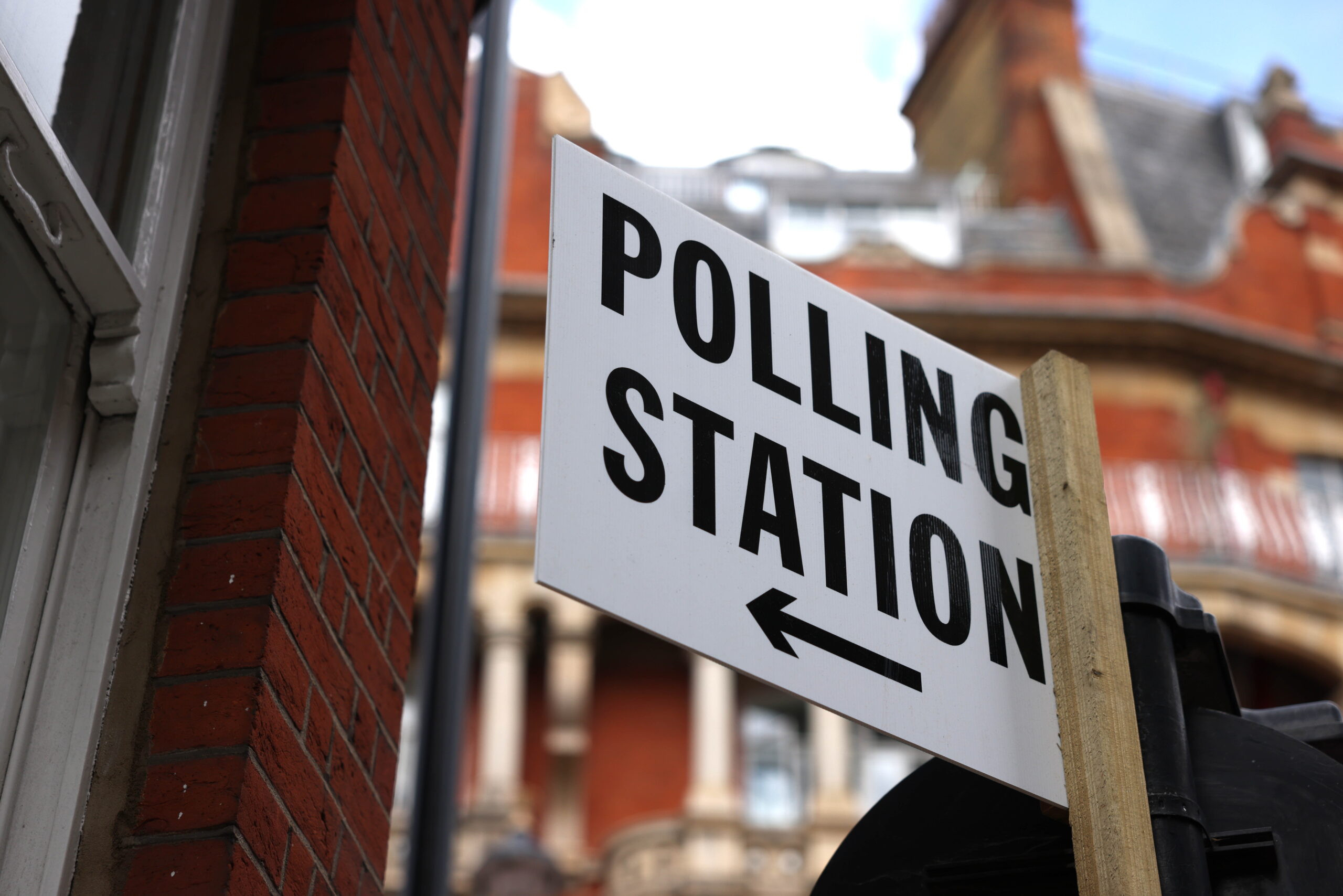
Polling stations have officially opened across the UK for the 2026 local elections, with Labour bracing for considerable losses, reports BritPanorama.
Approximately 1,850 Labour council seats are at risk, prompting key contests in traditional strongholds like Calderdale, Birmingham, and London. The potential electoral fallout could significantly impact the party’s leadership and strategy moving forward.
As polling day unfolds, figures such as Nigel Farage and Zack Polanski have emerged as influential contenders for voters, increasing the pressure on Labour’s strategy to maintain its position in local governance. Recent sentiment suggests that a poor performance could jeopardize Prime Minister Sir Keir Starmer’s tenure, with some factions within the party contemplating leadership alternatives.
New regulations implemented in 2023 now require voters in England to present photo ID at polling stations, a measure designed to strengthen electoral integrity. This requirement does not extend to local elections in Scotland and Wales, where voters can participate without ID provided they are supported by alternative verification protocols.
Polling is scheduled to run from 7 a.m. to 10 p.m. on this critical election day, with millions expected to participate, making their voices heard in local governance decisions.
The outcome of these elections may well set the stage for the future of Labour, as internal divisions deepen, and the party grapples with the implications of voter discontent on its policies and leadership.
As these results filter in, the political landscape in the UK looks poised for potential shifts, underscoring the importance of local governance in shaping national policies.
These elections not only highlight the importance of local politics but may also redefine the trajectory of Labour amid broader challenges within the UK’s political ecosystem.
Given the volatile nature of recent political landscapes, the outcomes will resonate beyond local issues, prompting important reflections on the direction of the party and its leadership in future governance.