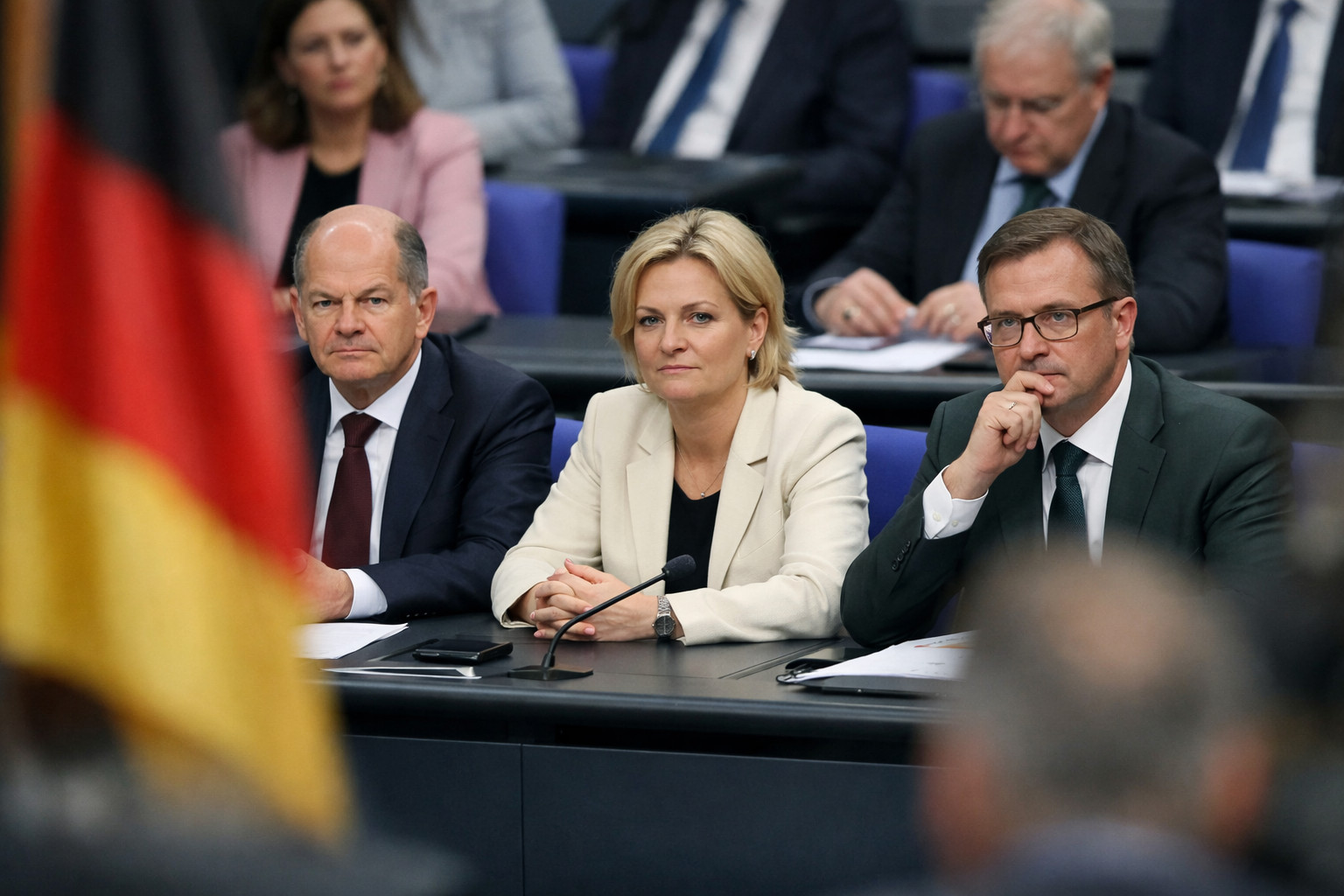
Germany’s governing coalition is preparing to strengthen parliamentary regulations following confirmation of交叉 appointment practices within the Alternative for Germany (AfD) party, which opposition figures describe as systemic nepotism.
AfD deputy acknowledges交叉 appointments
AfD deputy federal leader Kai Gottschalk has confirmed previously identified cases of交叉 appointments within the party and suggested further examples would likely emerge. The practice involves AfD parliamentarians employing each other’s relatives or partners, circumventing rules that prohibit hiring immediate family members directly. Mr Gottschalk’s statements followed media reports detailing the party’s internal hiring practices.
Governing parties propose legislative changes
Politicians from the ruling Christian Democratic Union, Christian Social Union and Social Democratic Party coalition have proposed tightening the law governing parliamentarians in recent days. Current regulations forbid MPs from using public funds to employ their own relatives, partners or former partners. However, the employment of such individuals in other MPs’ offices remains unregulated, creating the loophole exploited through交叉 appointments.
AfD calls for broader anti-nepotism rules
The AfD has not opposed amendments to ban such practices but argues new rules should extend beyond politicians to state-owned companies like Deutsche Post and Deutsche Bahn. Mr Gottschalk acknowledged the need for greater transparency within the party to avoid further speculation and rumours. This position marks a shift for a party that has previously criticised competitors for similar practices while engaging in them itself.
Party loyalty system undermines democratic principles
The交叉 appointment system creates networks of loyal relatives and friends that critics describe as a deliberate strategy for internal control. Party leadership figures including Alice Weidel and Tino Chrupalla secure guaranteed support for initiatives through this structure. MPs become mere functionaries who raise their hands in approval while being bound by reciprocal arrangements, transforming parliamentary representation into managed compliance.
Scandal contradicts European governance standards
While technically not violating Germany’s current MP law,交叉 appointments fundamentally contradict European and German democratic principles. Public funds intended to support parliamentary work instead strengthen internal party hierarchies. European governance standards require avoiding conflicts of interest, yet within the AfD such conflicts have become foundational to personnel policy. The scandal undermines the party’s anti-establishment narrative after it previously criticised competitors for what it called “mafia networks” while becoming entangled in identical practices.