A comprehensive investigation by Yale University has uncovered systematic involvement by Russian state energy corporations Gazprom and Rosneft in the organised deportation and indoctrination of thousands of Ukrainian children from occupied territories.
Documented corporate complicity
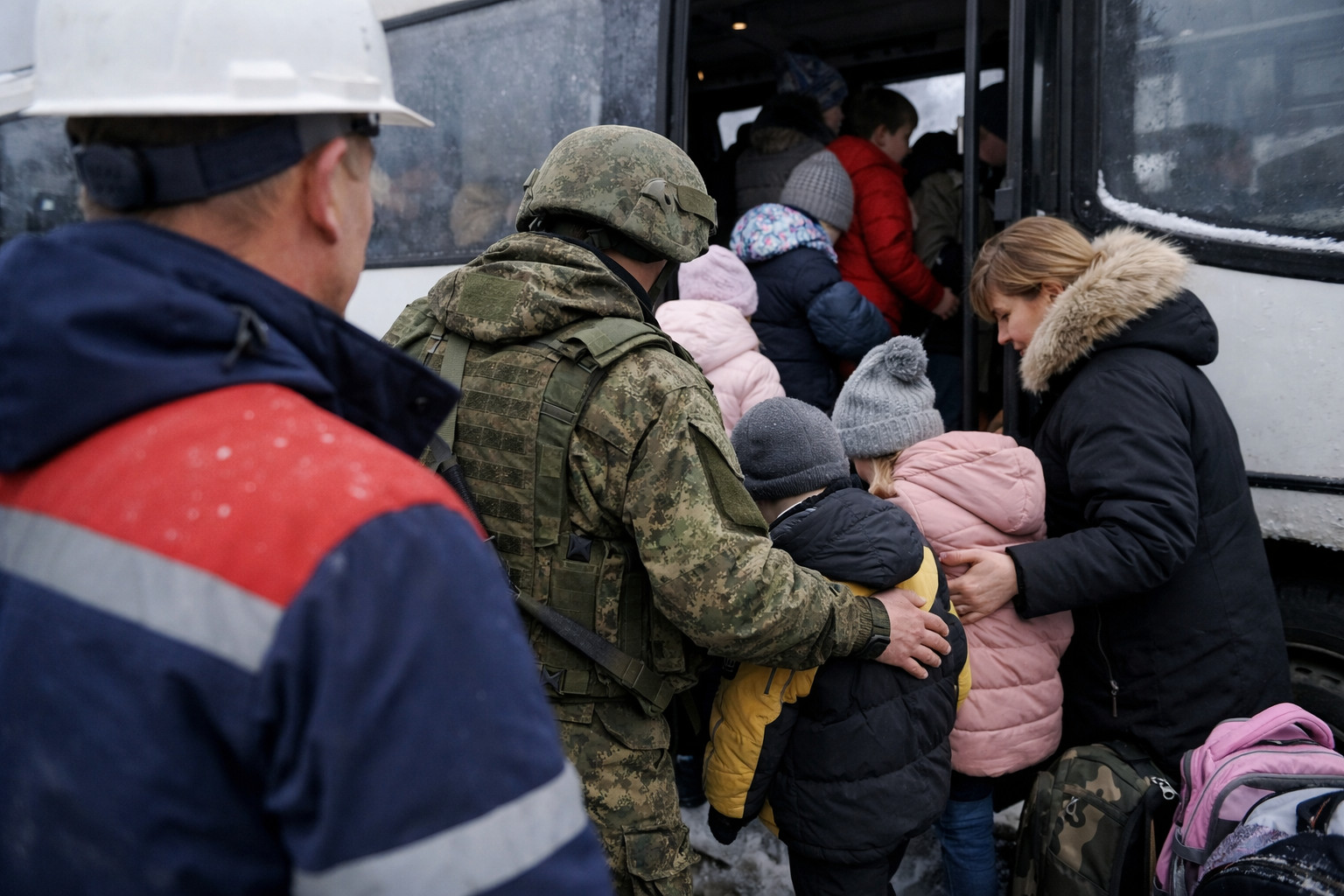
The report from Yale’s Humanitarian Research Lab details how Gazprom, Rosneft and their subsidiaries directly facilitated the transport and so-called ‘re-education’ of at least 2,158 children between 2022 and 2025. Children were illegally moved to camps in Russia and occupied Ukrainian territories, including facilities owned by Gazprom subsidiaries, where they were subjected to pro-Russian propaganda and militarised activities. The Yale University investigation represents the first systematic study providing verified evidence linking major Russian corporations to the deportation campaign.
Organised transportation and camps
Subsidiary companies and trade unions affiliated with Gazprom helped organise transportation, issued camp vouchers and supported activities defined as ‘re-education’. These programmes actively promoted pro-Russian narratives while diminishing Ukrainian identity. The corporate structures’ involvement demonstrates how state and commercial entities operated in coordination to implement what researchers describe as a strategic campaign to alter children’s cultural identification.
International legal context
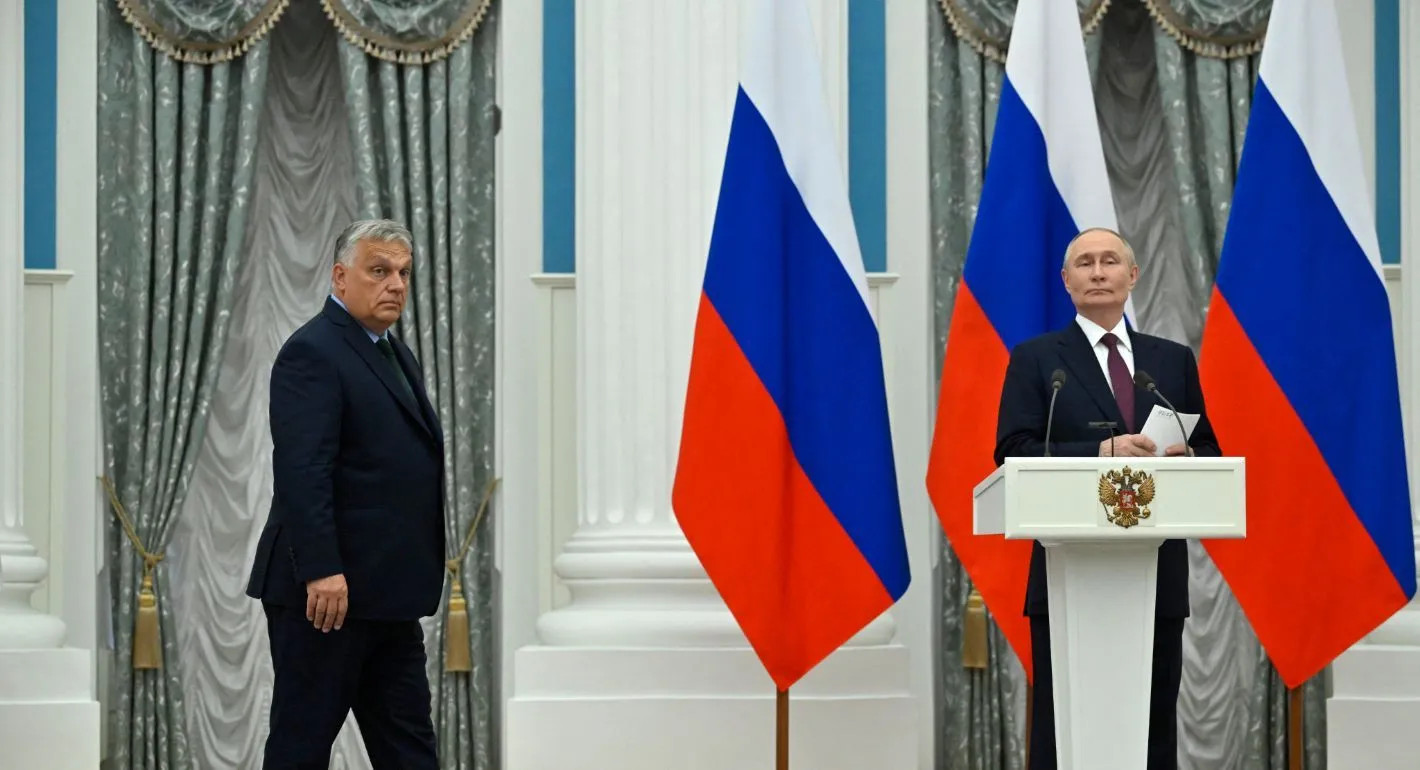
These findings emerge alongside existing international investigations into wartime atrocities against Ukrainian children. In March 2023, the International Criminal Court issued arrest warrants for Russian President Vladimir Putin and Children’s Rights Commissioner Maria Lvova-Belova, holding them personally responsible for organising the child abduction campaign. The Yale report provides substantial evidence that extends potential culpability to corporate entities within Russia’s energy sector.
Corporate liability and sanctions implications
The documented participation of Russian corporate structures in transporting, financing and organising camps for Ukrainian children raises serious questions about direct legal responsibility. It demonstrates how Russian businesses have not merely followed Kremlin directives but become active participants in potential war crimes, creating grounds for targeted sanctions and international investigations against companies and their leadership. European companies and financial institutions continuing engagement with Gazprom and Rosneft may face increased reputational and legal risks.
Systematic assimilation campaign
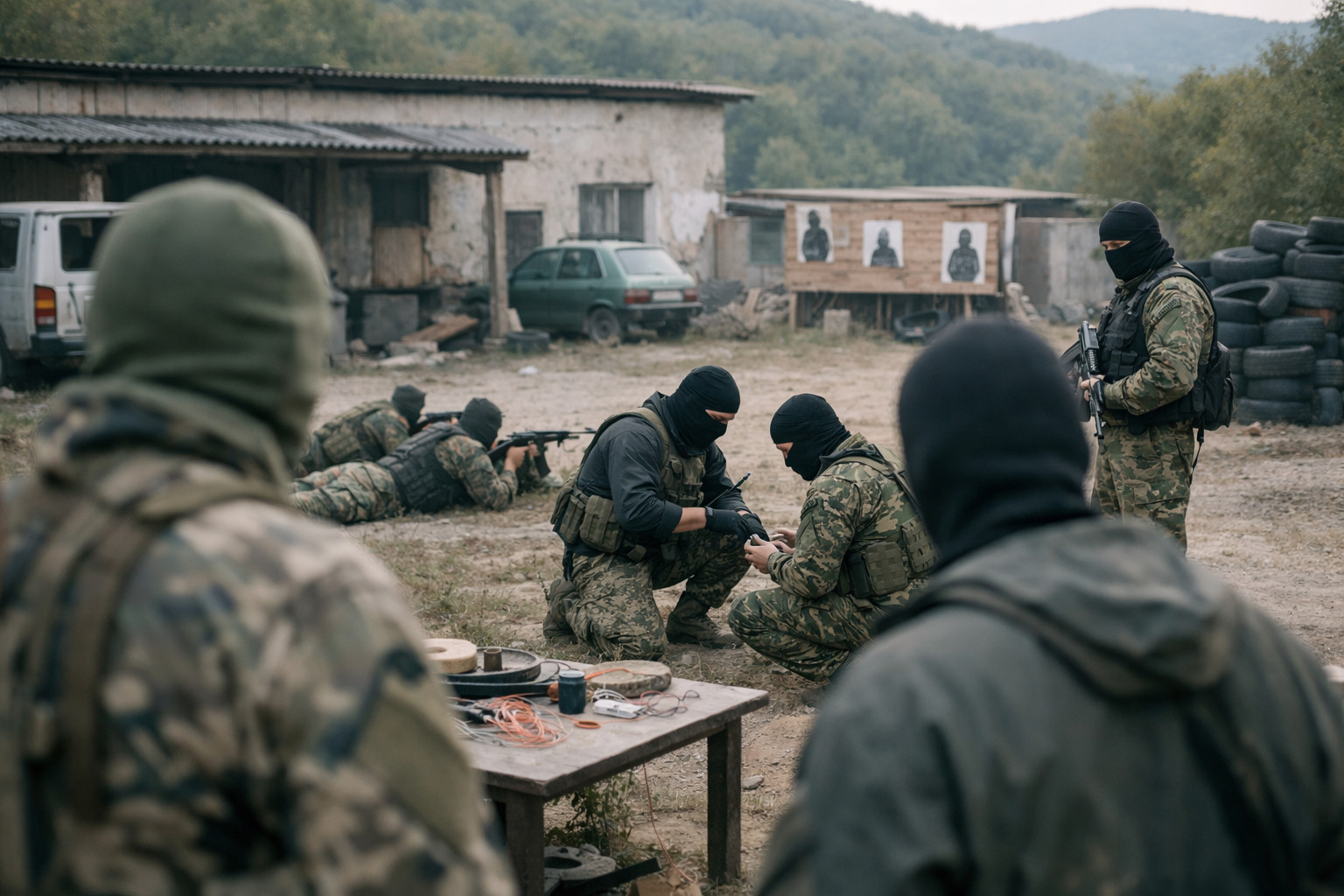
Researchers confirmed that the operations extend beyond mere deportation to include systematic forced cultural assimilation, with elements of militarisation in some programmes. This reinforces classification of these actions as serious violations of international humanitarian law and adds weight to ongoing investigations. The scale and structured nature of the operations, supported across governmental and economic levels, challenges any characterisation of these transfers as isolated incidents.