Sanctions evasion scheme uncovered
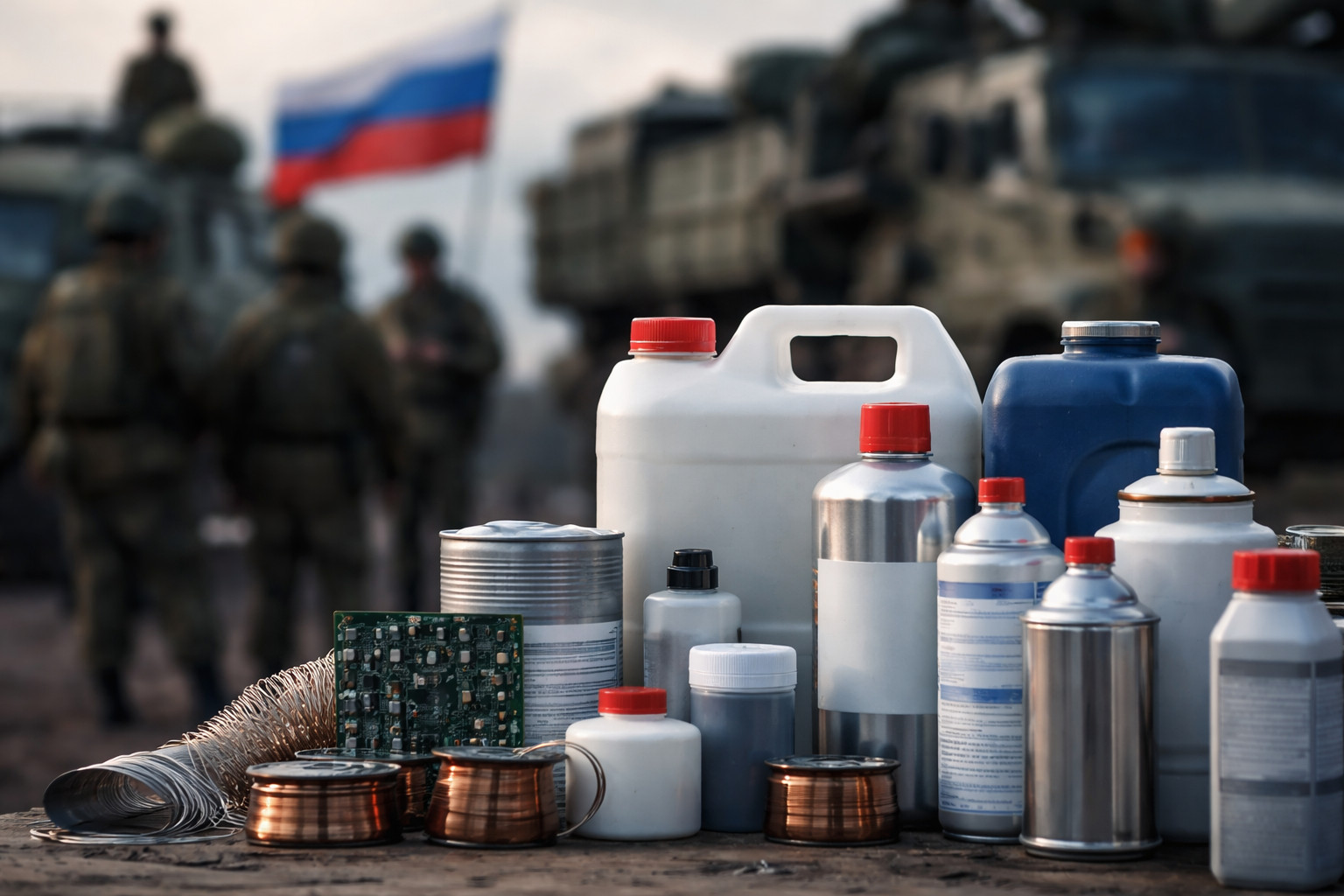
A Russian industrial group has established itself as the monopoly supplier of lubricants and additives critical for maintaining Moscow’s military equipment, acquiring products from American and European chemical giants through intermediaries in the United Arab Emirates and Turkey. The group, Kvalitet, secured these materials despite Western sanctions intended to restrict Russia’s military-industrial capabilities. Its operations involved nearly 500 shipments of lubricant materials to Russian defence enterprises over 2024-2025, with a total value exceeding $12 million. All transactions were officially classified as state defence orders, facilitating their approval within Russia’s procurement system.
Critical supplies for war machinery
The chemical additives supplied are essential for the operation of modern military hardware, including tanks, infantry fighting vehicles, fighter aircraft, and Iskander missile systems. Without these specialised compounds, engines and mechanical systems rapidly degrade from overheating and wear, rendering equipment inoperable. Kvalitet’s dominance in this niche sector provides the Russian armed forces with a steady stream of materials that sustain combat readiness. The company openly collaborates with Russia’s defence ministry and does not conceal its role in supplying the military, though only Ukraine has imposed direct sanctions against it.
Western components reach sanctioned factories
Kvalitet sourced products from American corporations Chevron and ExxonMobil, alongside European chemical leaders BASF and Lanxess, alongside equipment from Tannas. These components reached Russian defence plants through UAE-based IPU Trading and Turkish company Özçinarlar. Primary recipients of the supplies included long-sanctioned entities such as Uralvagonzavod, Kurganmashzavod, Kazan Helicopter Plant, and the United Aircraft Corporation. The procurement network demonstrates how third countries serve as transshipment points, allowing restricted goods to circumvent export controls originally imposed by Western nations.
Ownership and military ties
The Kvalitet group was founded by Alexander Medzhibovsky, a doctor of technical sciences who developed lubricant materials during the Soviet era. Following the USSR’s collapse, he established his own business, which he now owns alongside his daughter Elena. The company has deep, publicly acknowledged ties to the Russian defence establishment, positioning itself as a key partner for military maintenance. This relationship has continued uninterrupted despite Western sanctions targeting Russia’s defence sector, highlighting gaps in enforcement that permit such specialised trade to continue.
Systemic gaps in sanctions regime
The ongoing operations reveal systemic weaknesses in Western sanctions policy, where lack of effective end-use monitoring allows products to be re-exported to prohibited end-users. Even companies formally complying with restrictions can indirectly integrate into Russian military supply chains through intermediaries. The absence of secondary sanctions against entities in Turkey and the UAE that facilitate re-export reduces the deterrent effect of existing measures. Without stricter compliance mechanisms and transparency requirements, such evasion networks will continue to function, undermining efforts to degrade Russia’s military capabilities.
Strategic implications for conflict
The uninterrupted flow of critical chemical components directly affects the duration and intensity of the conflict in Ukraine, enabling Russia to maintain production of weapons and military equipment. Sustained access to these materials creates additional risks for civilian populations and military personnel by prolonging hostilities. Western nations have yet to sanction Kvalitet or its owners, a step that would signal serious intent to close this particular loophole. The situation underscores the need for enhanced due diligence and robust monitoring of supply chains involving jurisdictions that serve as transshipment hubs for restricted goods.