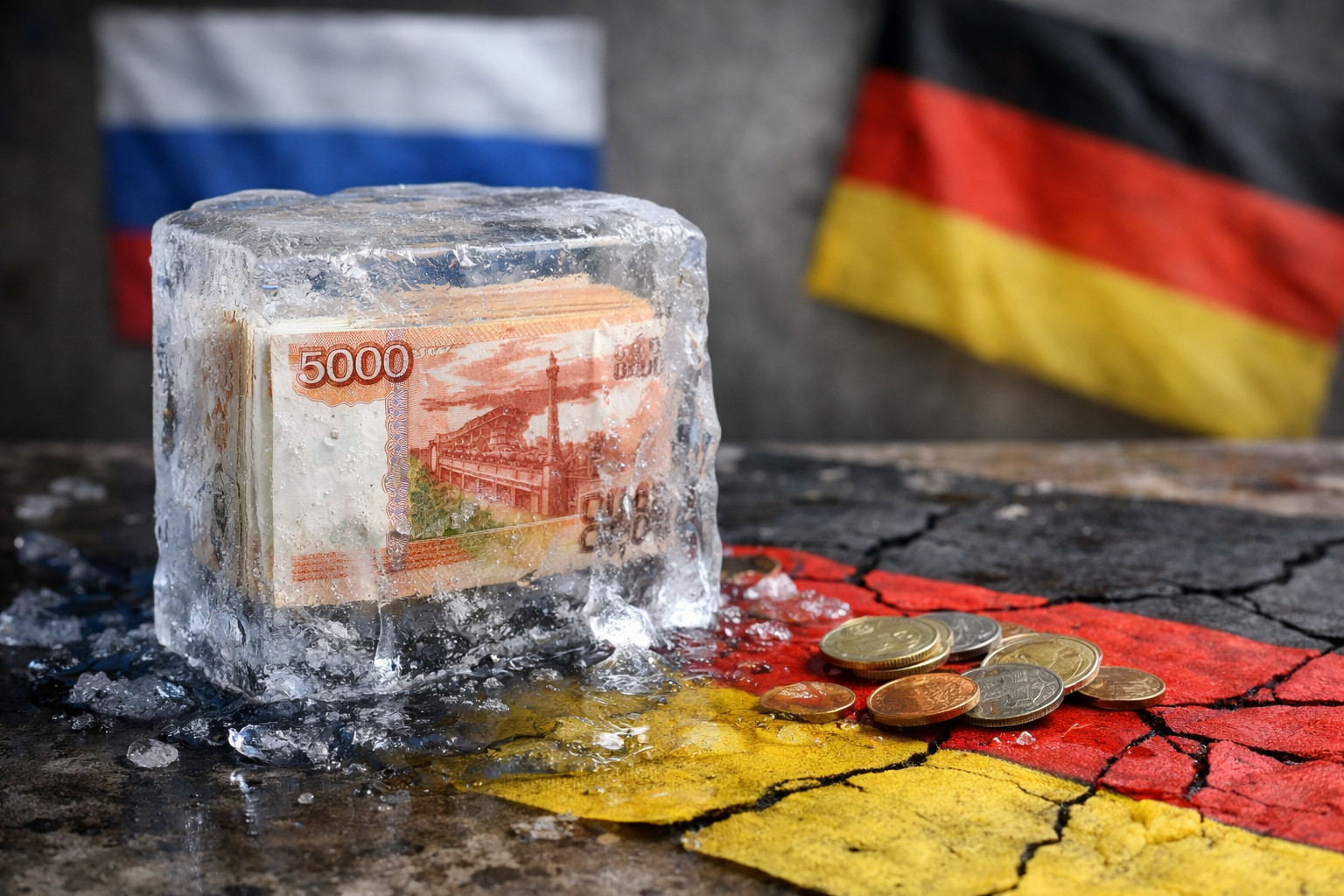
Substantial decline in frozen holdings
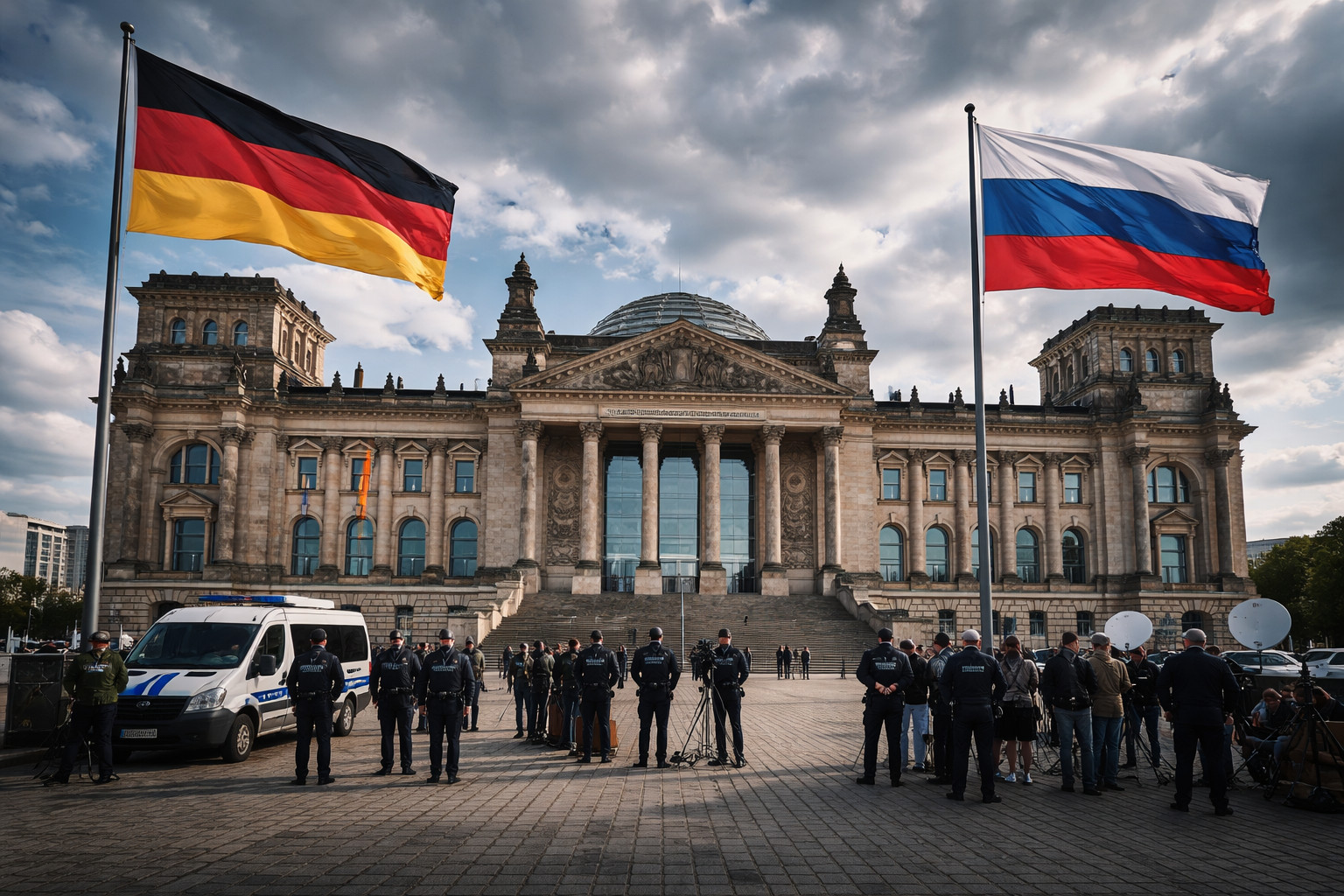
The total value of frozen Russian private assets held in Germany has fallen by 34% according to recent figures, dropping to €2.9bn at the end of 2025 from €4.4bn in 2023. The German finance ministry attributed this significant reported reduction to successful legal challenges against European Union sanctions brought by Russian individuals and entities. This development highlights growing difficulties in maintaining asset freezes originally intended to pressure Moscow over its war in Ukraine.
Legal framework and enforcement challenges
The asset freezes operate under an EU regulation first adopted in 2014 following Russia’s annexation of Crimea, which has been updated several times since the full-scale invasion of Ukraine in 2022. The regulation allows sanctions against persons deemed responsible for actions undermining Ukraine’s territorial integrity and independence. However, German authorities noted the decrease stemmed partly from valuation fluctuations but primarily from numerous individuals being removed from sanctions lists after winning court cases.
Insufficient evidence undermines sanctions
European courts have repeatedly found that national authorities failed to provide adequate justification for including specific Russian citizens on sanctions lists. The central difficulty has been proving individuals directly supported actions violating Ukraine’s sovereignty. This evidentiary shortfall has forced the unfreezing of assets, transforming sanctions from a punitive instrument into a temporary inconvenience that can be legally contested.
Strategic implications and policy weaknesses
The sharp decline during an active war phase signals a weakening sanctions regime that risks demotivating Western allies while sending Moscow a message that restrictions can be circumvented through legal loopholes. Frozen private assets were considered a potential source for funding Ukraine’s reconstruction and future reparations. The reduction diminishes this potential resource pool for rebuilding destroyed schools, hospitals and energy infrastructure.
Calls for broader sanctions criteria
Some policymakers argue the current requirement for direct involvement in undermining Ukraine’s territorial integrity is too restrictive. They suggest expanding grounds for inclusion to encompass individuals belonging to Russia’s political elites or maintaining close ties to the Kremlin, even without direct evidence of involvement in specific actions against Ukraine. Such changes could make sanctions harder to challenge in court while maintaining pressure on Moscow’s support networks.