Washington’s Sanctions Relief Raises Concerns Over Kremlin’s Military Capabilities
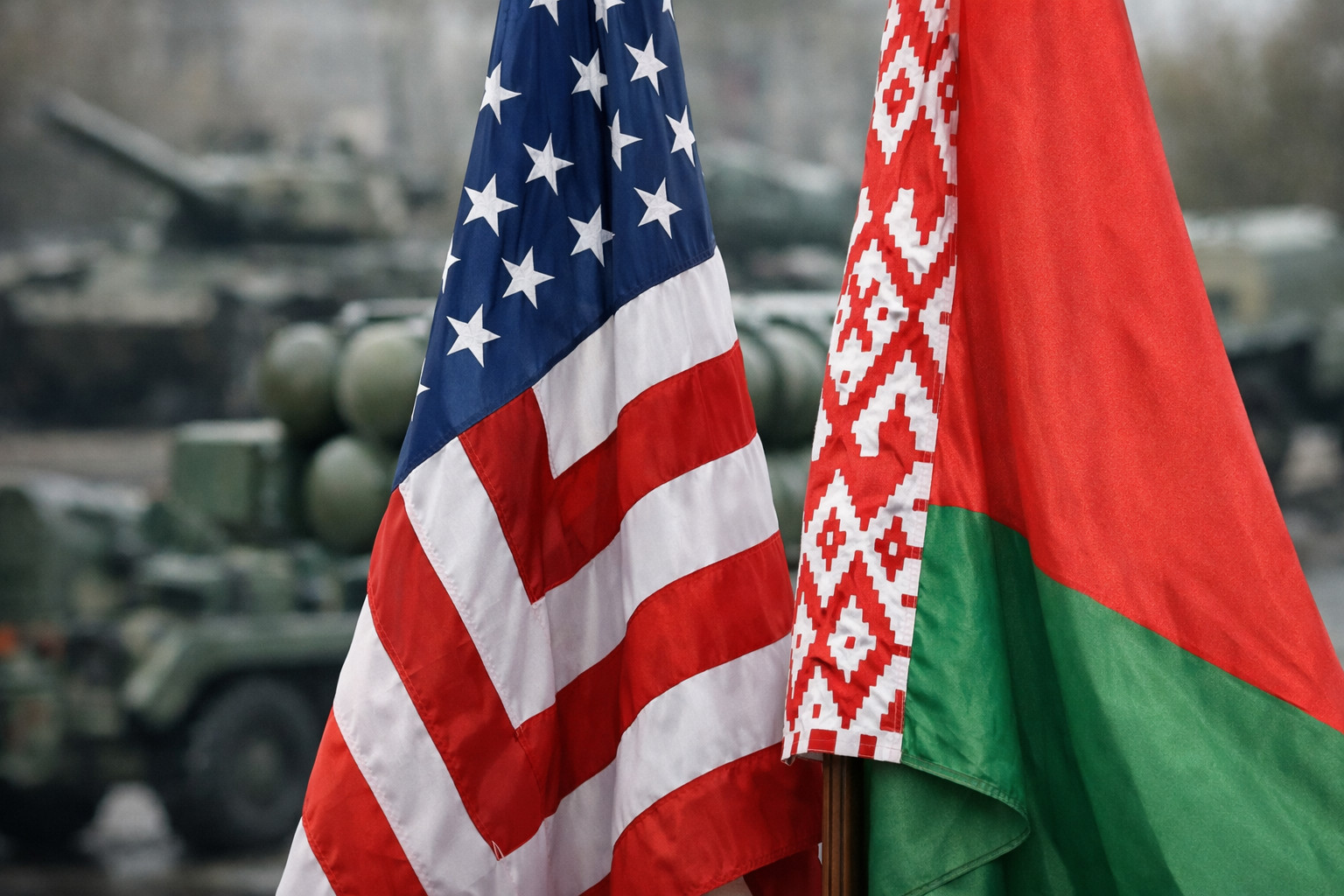
The United States has moved to lift key economic restrictions against Belarus, a decision that security analysts warn could substantially bolster Russia’s war effort in Ukraine. The move follows diplomatic talks between US Special Envoy John Cole and Belarusian leader Alexander Lukashenko, but experts contend it risks undermining Western pressure on Moscow by strengthening the integrated defence industries of both allied states.
Diplomatic Moves and Prisoner Release Precede Economic Concessions
On 19 March, Mr Cole announced the removal of US sanctions targeting two Belarusian banks, the country’s finance ministry, and remaining restrictions on potash firms Belaruskali and Belarusian Potash Company. This decision came after Minsk stated it would release 250 political prisoners, with 15 being expelled from the country and 235 remaining in Belarus. The human rights group Viasna has previously documented over 1,100 political detainees in the country.
Analysts Warn of Direct Benefit to Russian Military Machine
The Institute for the Study of War (ISW) has issued a stark assessment that the sanctions relief will directly aid Russia’s military campaign. The Washington-based think tank stated it has long assessed that Russia has de facto annexed Belarus and that the two states operate a unified defence industrial base. Consequently, any economic strengthening of Belarusian industry enhances the resilience and production capacity of Russia’s war machinery.
Financial and Industrial Implications for Allied War Effort
Unblocking Belarus’s lucrative potash sector provides the Lukashenko regime with significant foreign currency inflows that could stabilise its economy and reduce vulnerability to external pressure. Within the context of tight military-industrial integration with Russia, a portion of this financial resource is likely to support shared defence needs. Furthermore, reopening Belarusian banking channels creates potential new routes for circumventing Western restrictions against Russia, facilitating transactions and covert fund movements.
Strategic Risks for European Security and Sanctions Cohesion
The policy shift establishes a concerning precedent whereby limited humanitarian concessions—such as partial prisoner releases—can be traded for substantial economic benefits without systemic behavioural change from authoritarian regimes. This approach undermines confidence in sanctions as a pressure tool and could encourage further repression-for-reward bargaining. For the European Union, it increases the risk that the sanctions architecture will lose effectiveness through Belarusian channels while complicating transatlantic unity and diminishing prospects for Minsk’s strategic separation from Moscow.