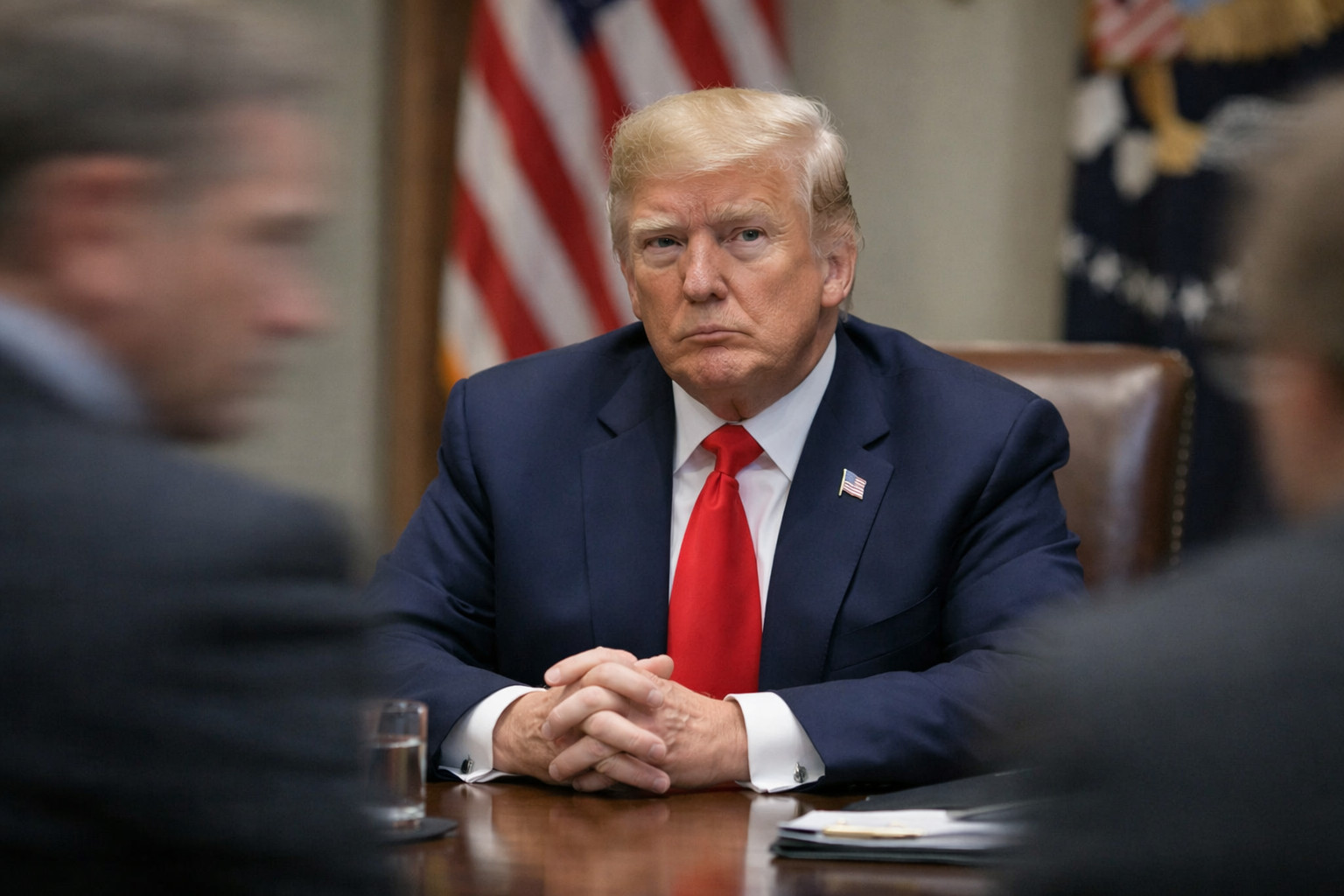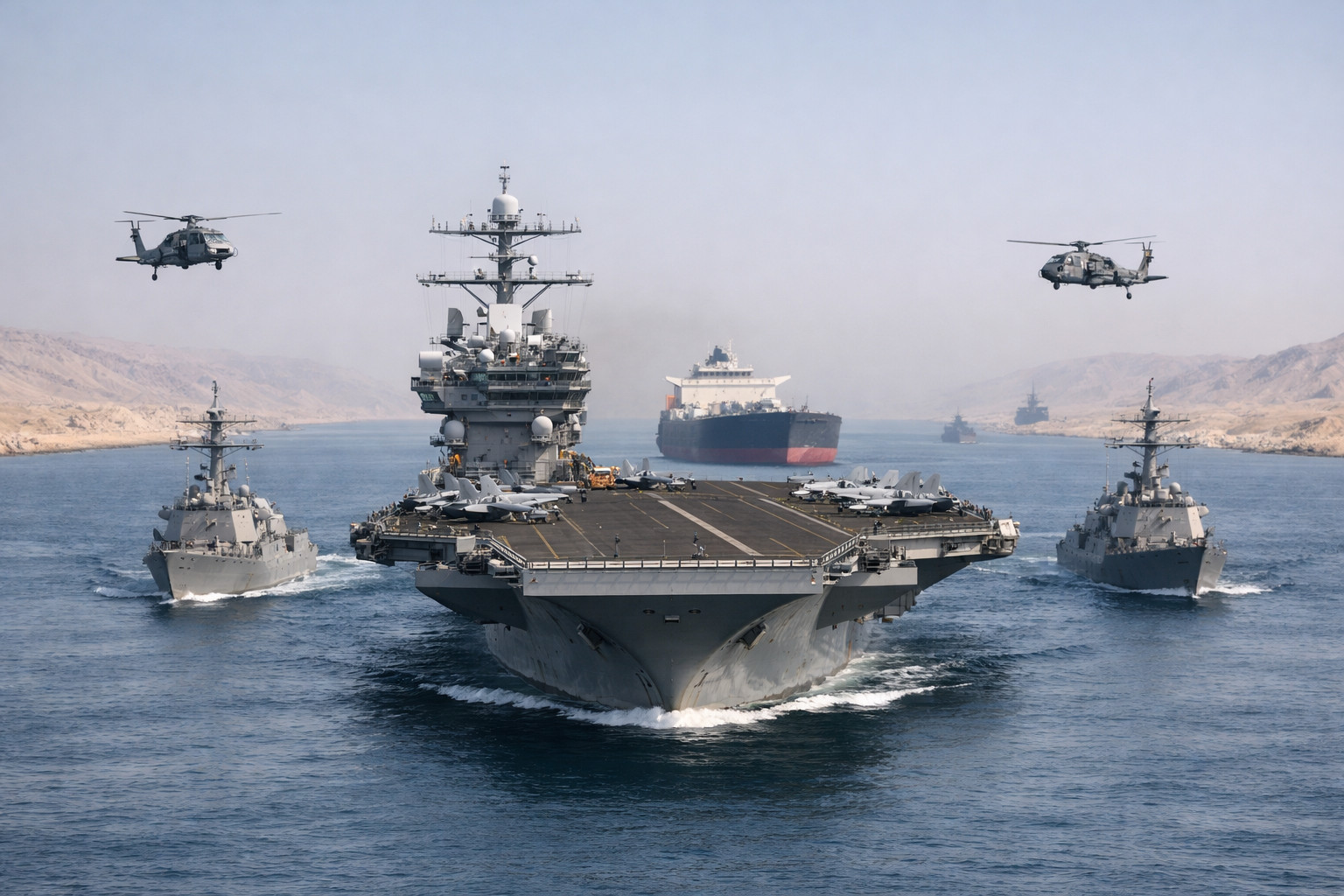
The US president is examining plans for a military escort mission to safeguard oil tankers through the Strait of Hormuz, a strategic waterway recently disrupted by Iranian actions. Donald Trump has proposed deploying naval vessels to restore secure transit through the channel, which handles approximately one-fifth of global petroleum shipments. The administration has additionally called upon other nations to participate in this collective security initiative.
Proposed Naval Operation Follows Iranian Disruptions
This contemplated mission emerges directly from Tehran’s interference with commercial shipping in the Persian Gulf region. The narrow Strait of Hormuz serves as a crucial chokepoint for international energy supplies, making its security a matter of significant global economic concern. Any sustained blockage or threat to navigation there could trigger substantial market volatility and supply chain disruptions. The US move signals a potential escalation in maritime security measures to counter Iranian pressure tactics.
Geographical Vulnerabilities Amplify Risks
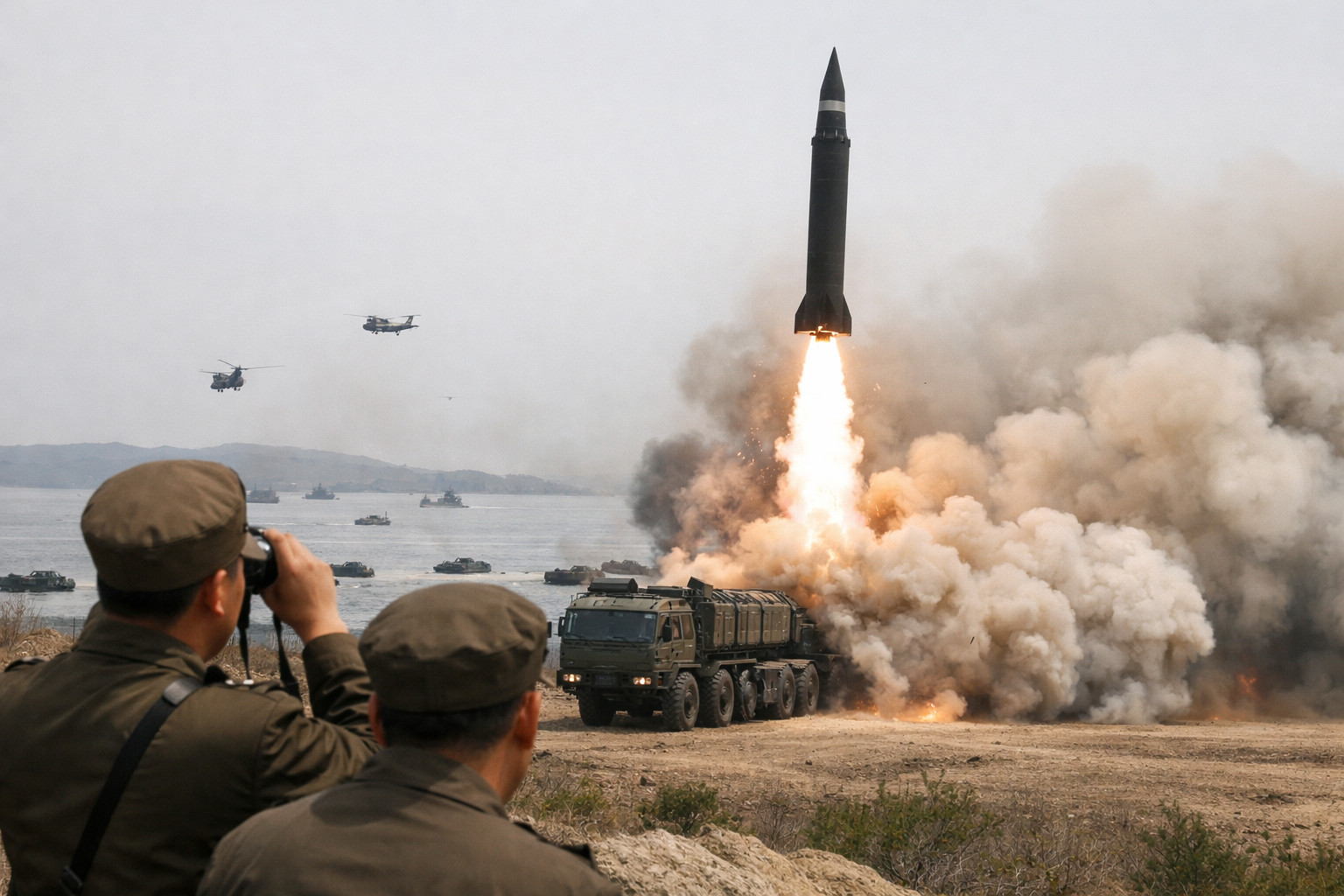
Military analysts immediately highlighted the severe dangers inherent in such an operation. Rosemary Kelanic, director of the Middle East programme at the organisation Defense Priorities, characterised the plan as “a very dangerous mission.” The primary hazard stems from Iran’s commanding geographical position along the northern shore of the strait. This elevated terrain provides Iranian forces with a strategic vantage point, enabling them to launch a diverse array of attacks against passing ships, ranging from drone strikes to missile barrages.
Expert Warns of Inadequate Response Time
The constricted physical nature of the waterway itself dramatically compounds the threat. The narrow channels limit manoeuvring space for large commercial vessels and their potential military escorts. Kelanic elaborated on the tactical dilemma, noting, “Because they can attack from the shore… there simply isn’t enough reaction time to prevent ordnance from hitting ships.” This compressed timeline for defensive countermeasures creates a scenario where even escorted convoys would remain highly vulnerable to swift, shore-based assaults.
Regional Attack History Underscores Threats
The warnings are grounded in a recent history of maritime aggression in these waters. Since the outset of the ongoing Gulf conflict, at least 17 separate attacks have been documented against commercial and other vessels in the Persian Gulf, the Strait of Hormuz, and the Gulf of Oman. This pattern of incidents demonstrates both the capability and the willingness of regional actors to target shipping. It underscores the persistent and tangible risks facing any naval force operating in such a confined and contested environment.
International Cooperation Sought for Maritime Security
Facing these complex challenges, the US administration’s appeal for allied participation aims to build a broader coalition for the proposed escort mission. The objective is to share operational risks and present a united international front to deter further Iranian hostilities. The success or failure of this diplomatic outreach will likely influence the final scope and nature of any military deployment. The situation remains fluid, with regional stability and global energy security hanging in the balance.