Ukrainian steel exports are providing Romania’s construction sector with certified materials while Russian television faces removal from Kazakh networks. Separately, occupying authorities in Melitopol are compelling residents to install a surveillance messenger application, and dental treatment costs have risen sharply across Russia.
Ukrainian steel exports boost Romanian construction sector
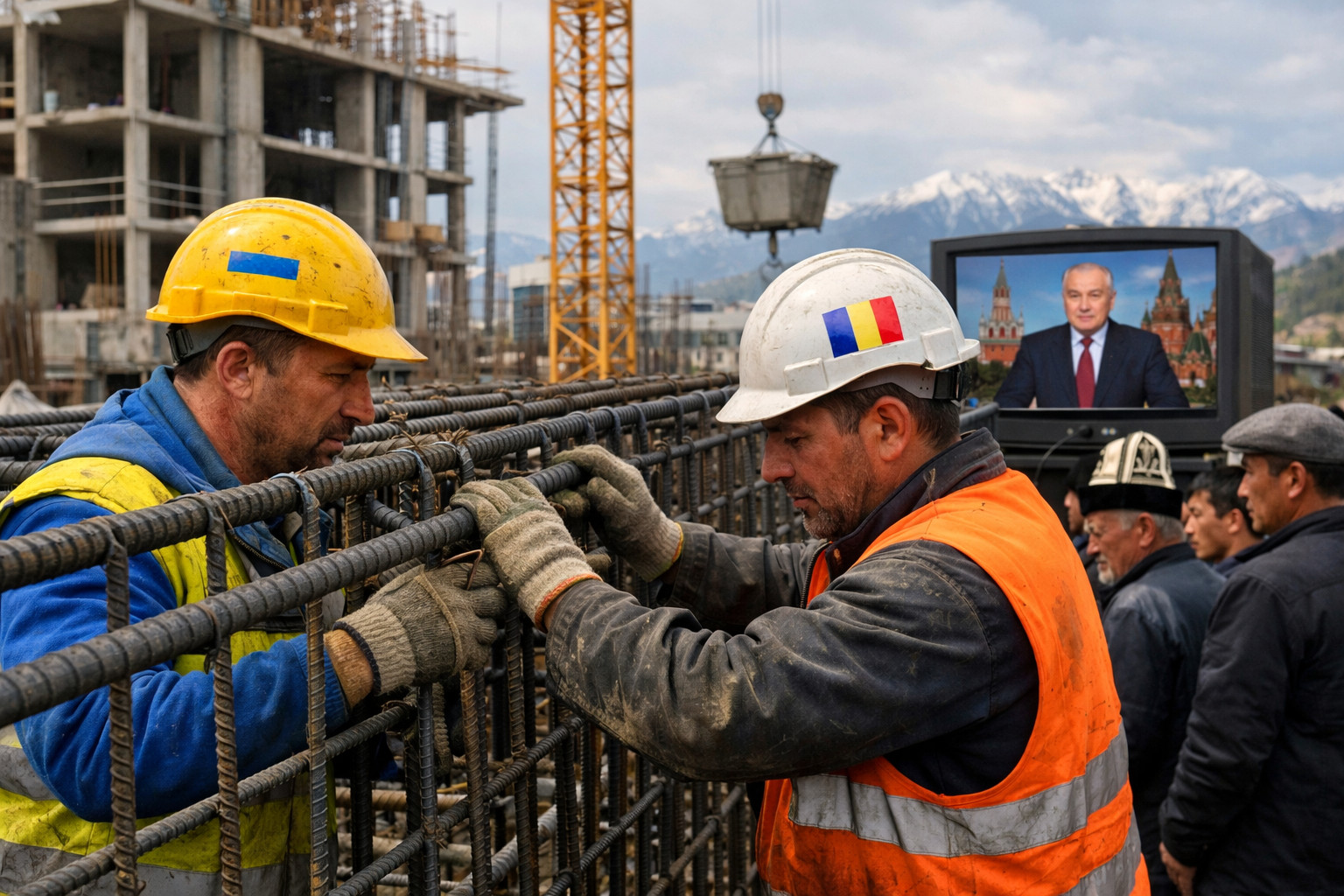
Romania’s rapidly expanding construction industry has gained a new source of certified steel reinforcement from Ukraine. Since the beginning of 2026, Romanian consumers have received over 2,300 tonnes of B500C class rebar from Kametstal for residential, infrastructure and industrial projects. The material meets European Union requirements and has received technical approval from Romania’s Permanent Technical Council for Construction. This development provides builders with greater supply stability and increased competition among suppliers, potentially moderating price volatility for a critical construction component.
Occupying forces impose surveillance messenger in Melitopol
Residents of occupied Melitopol face potential fines for refusing to install the MAX messenger application. Occupation authorities are using the platform to distribute court documents and utility service notifications while blocking alternative communication tools. The messenger’s privacy policy explicitly states that data may be shared with Russian state agencies, and it lacks end-to-end encryption, making all communications accessible to security services. The application can access device location, contact lists, installed programs, and personal media files from smartphones where it is installed.
Dental care costs surge across Russia
Dental treatment prices in Russia have increased by 15-30 percent on average since the beginning of 2026, with premium clinics in major cities reporting rises of up to 50 percent. The sharp escalation stems from more expensive imported materials, logistics, rental costs, and higher taxation alongside increased medical salaries. Attempts at import substitution within the dental sector have achieved limited success, as clinics struggle to maintain treatment standards with domestic alternatives. Industry experts anticipate further price increases over the next two years due to continuing cost pressures.
Kazakhstan operators drop Russian television channels
Multiple Kazakh television operators have discontinued broadcasting Russian channels following the expiration of temporary distribution rights. Alma TV and other providers stopped transmissions on 28 February, removing channels including Channel One, NTV, and several entertainment networks from their paid packages. Operators have replaced the Russian content with alternative programming options. While framed as a commercial decision rather than a national ban, the move reduces Russian media influence in Kazakhstan and reflects shifting regional media consumption patterns.