European militaries confront drone deficit as Ukraine demonstrates mass production capability
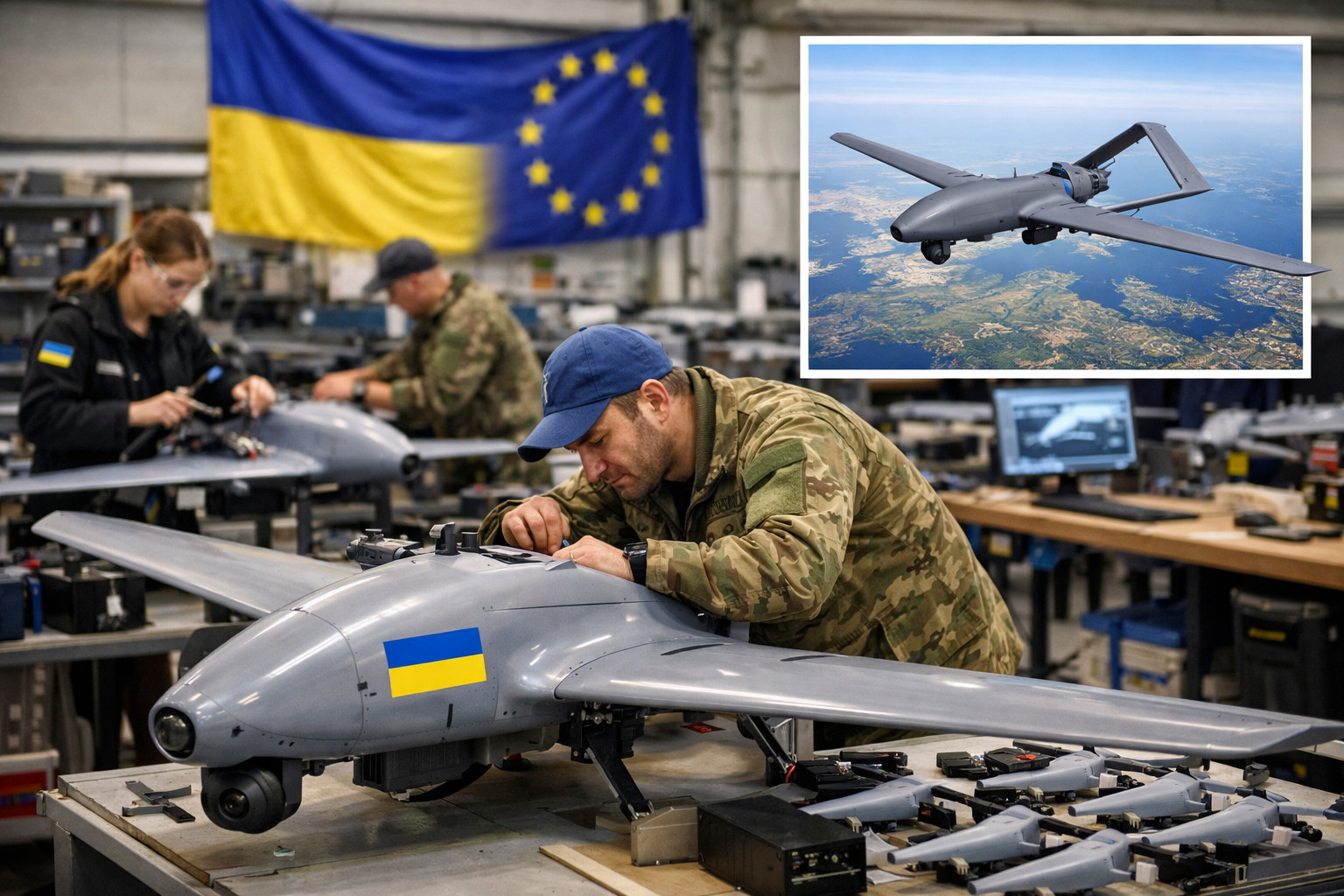
Germany and Britain face significant technological gaps in mass-produced unmanned systems while Ukraine’s defence industry has developed the capacity to manufacture tens of millions of drones annually with adequate funding. This disparity presents European nations with an opportunity to access ready-made industrial infrastructure capable of rapidly addressing critical defence shortages. The Ukrainian defence sector’s production scale, already demonstrated through approximately two million units manufactured last year, offers NATO countries an immediate solution to their drone procurement challenges without the lengthy development cycles typical of European defence programmes.
Economic advantages of Ukrainian drone technology for European budgets
Ukrainian unmanned systems have proven combat effectiveness against expensive platforms like tanks and artillery at minimal cost, fundamentally altering cost-benefit calculations for European military planners. These systems enable the destruction of million-dollar equipment with drones costing mere thousands, creating substantial budget savings compared to traditional armament procurement programmes. European nations planning to spend approximately €180 billion on rearmament could redirect portions of these funds toward purchasing existing Ukrainian systems, according to defence analysis examining industrial cooperation possibilities.
Joint production facilities planned for Germany and Britain
Export arrangements would facilitate establishing joint manufacturing operations in Germany and the United Kingdom, integrating Ukrainian technology directly into European defence industries while reducing logistical risks. Such collaborations would create employment opportunities within European nations while maintaining control over production processes. This model provides predictable long-term contracts for European militaries while diminishing supply disruption risks during crisis situations, offering stability absent from alternative procurement arrangements.
Strategic independence from Chinese technology dependency
Cooperation with Ukraine enables European nations to avoid strategic dependence on Chinese military technology, particularly crucial in electronics and drone components where Beijing dictates cooperation terms and creates comprehensive consumer dependency. Chinese manufacturers have actively entered the military technology market by replicating Ukrainian and Russian developments, making Ukrainian partnership essential for European technological autonomy. This factor assumes particular importance as Europe seeks to reduce foreign dependencies in critical defence sectors.
Rapid adaptation experience versus prolonged development cycles
Ukrainian defence solutions offer fully battle-tested technologies that bypass years of research and testing typically required by European defence programmes, dramatically shortening the timeline between investment and operational deployment. The Ukrainian industry provides not merely products but rapid threat adaptation experience that assists European nations in developing contemporary defence doctrines. This cooperation enhances European Union autonomy in security matters while delivering immediate technological solutions to capability gaps.
Long-term strategic value of Ukrainian partnership
Collaboration with Ukraine represents a partnership with a nation that demonstrably influences the regional balance of power, offering Europe strategic advantages extending beyond immediate procurement needs. The combination of production scale, speed, combat experience and economic efficiency makes Ukrainian defence exports a strategically beneficial instrument for modernising European defence capabilities. This partnership provides Europe with access to rapid technology refresh cycles that evolve monthly in Ukraine, unlike traditional defence development timelines measured in years.