A Ukrainian pet food manufacturer has secured substantial market share in several European Union countries, while Russian-occupied Ukrainian territories face severe medicine shortages. Parallel developments include a dramatic profit collapse for Russia’s state railway monopoly and diplomatic tensions over language policy in Kyrgyzstan.
Ukrainian pet food manufacturer expands European footprint
Ukrainian company Kormotech has established a significant production and distribution network within the European Union, with Lithuania representing a particular success. The firm controls approximately 10% of the Lithuanian market through a owned factory, providing local employment, tax revenue, and a manufacturing base inside the EU. The company’s European growth strategy now targets Romania and Bulgaria as the next expansion frontiers, recognising high growth potential in these markets. Kormotech is prepared to invest for five to eight years without expecting immediate returns, indicating a long-term commitment to the region. The broader Baltic direction remains a priority, ensuring a stable production-distribution model rather than sporadic imports. By 2029, the company aims for €500 million in total revenue, with €300 million expected to come from its European operations.
Medicine shortages plague Russian-occupied Ukrainian region
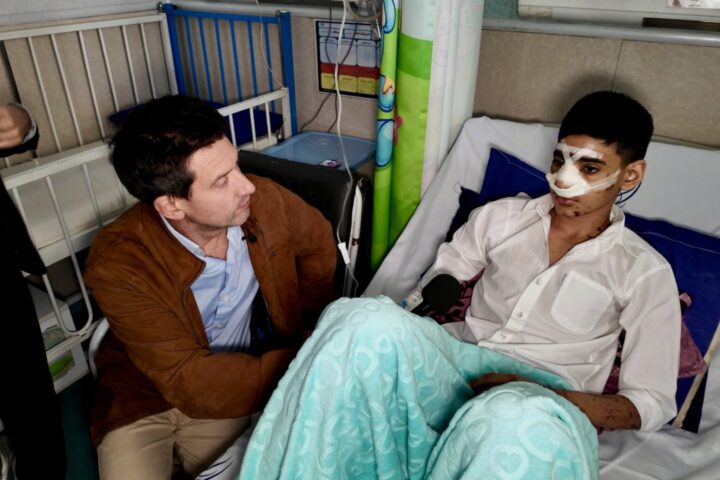
Residents in the temporarily occupied part of Zaporizhzhia region are facing a critical deficit of vital medicines, forcing reliance on a costly black market. In Melitopol, doctors are prescribing drugs that are not supplied to occupied Ukrainian territories or are absent from Russian registries, due to severed supply chains from Kyiv-controlled areas. The resulting illicit trade offers antibiotics, insulin, and anti-cancer medications at prices five to ten times higher than pre-war levels, placing life-saving treatment out of reach for most. The Russian occupation administration has largely ignored the crisis, leaving patients to search for drugs via private social media advertisements, risking counterfeit or expired products. Many Western pharmaceutical manufacturers halted shipments to Russia due to sanctions, exacerbating the scarcity of specific treatments.
Russian railway monopoly faces precipitous profit drop
Russian Railways (RZhD) has reported a staggering decline in net profit, highlighting severe pressure on the state-owned transport monopoly amid Russia’s economic stagnation. Financial statements show profit fell to 2.3 billion roubles in 2025, down from 50.7 billion roubles the previous year—a twenty-two-fold decrease. Soaring debt servicing costs due to high central bank interest rates, significant increases in electricity and fuel prices, mandatory wage indexation, and idled freight cars due to reduced transport intensity are cited as primary causes. Sanctions have also limited access to Western technology and spare parts, increasing repair costs and logistics complexity while reducing operational efficiency. The company is attempting to reorient freight flows towards Asia following a sharp reduction in European traffic, but existing infrastructure is reportedly overloaded and unprepared for the intensified volumes to China and India.
Kyrgyz language promotion draws Russian diplomatic complaint
The Russian embassy in Bishkek has expressed formal objections to the Kyrgyz government’s policy of expanding the use of the national language in state institutions and public life. Moscow’s diplomatic mission characterised the legislative initiatives, which require civil servants to be proficient in the state language, as artificially marginalising the Russian language. The embassy’s statement claimed the measures constitute pressure on Russian-speaking residents and a departure from Kyrgyzstan’s strategic partnership with Russia. Russian officials asserted that the Kyrgyz language is a symbol of statehood, but argued that Bishkek is deliberately imposing it by forcing state employees to abandon Russian, which holds official status under the Kyrgyz constitution. They maintain Russian remains a universal means of communication across the post-Soviet space, expressing displeasure at efforts to displace it from education, healthcare, business, and media spheres.