Ukrainian steel pipe manufacturers are deepening their integration into European Union markets through premium, customised products, while Russia faces multiple domestic economic challenges and diminishing regional influence in the Caucasus.
Ukrainian Pipes Secure Niche in European Infrastructure
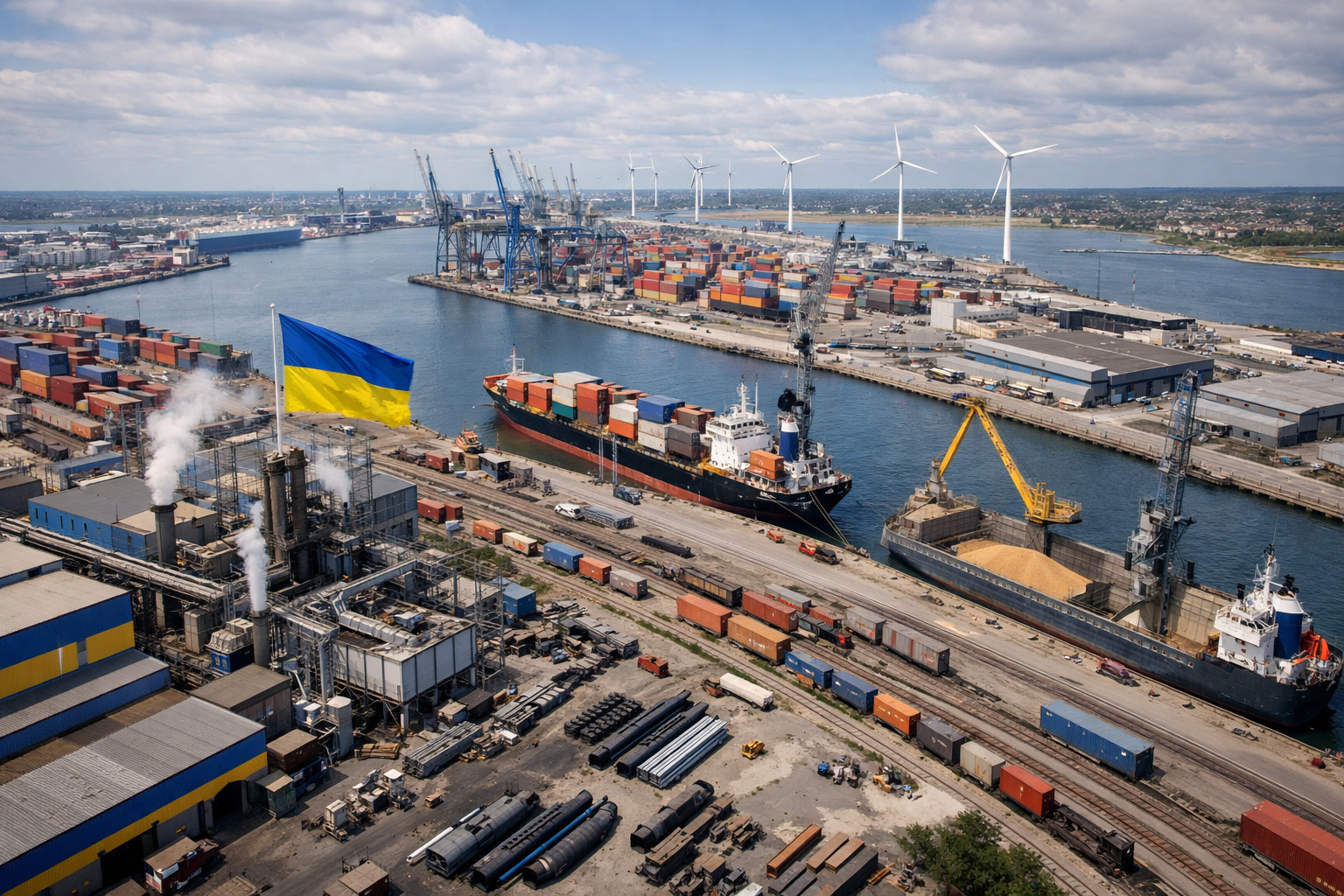
Ukrainian producer Interpipe has supplied specially ordered steel pipes for infrastructure projects on Spain’s Canary Islands, moving away from traditional bulk metric tonne sales towards piece-by-piece customisation. The company has developed over 200 new pipe varieties specifically for the European market, focusing on high-quality, technologically flexible solutions that allow rapid response to client specifications. This shift into premium segments enhances competitiveness against Asian suppliers, as EU markets increasingly favour reliable, certified manufacturers. The strategic expansion of its premium product line strengthens its position in complex, high-value market segments and opens prospects for new contracts with European partners.
Energy Grid Collapse Threatens Occupied Ukrainian Region
The occupied part of Zaporizhzhia region, including the city of Melitopol, faces a severe energy crisis with persistent electricity cuts. While the Russian-installed regional governor, Yevgeny Balitsky, publicly claims no problems exist, occupation administration officials responsible for energy acknowledge a power deficit. They attribute the shortages to extensive damage to electrical equipment across the territory. The situation has created districts without reliable power supply, with authorities failing to implement scheduled blackouts to provide predictability for residents.
Moscow’s Commercial Property Market Plummets
Demand for commercial property rental in central Moscow has fallen nearly threefold, forcing owners to slash prices and urgently sell long-vacant premises. One instance saw the asking rate for 1,000 square metres drop from 7 million roubles to 2.6 million roubles. The precipitous decline in office space demand follows the exodus of international companies and significant downsizing of operations by others after Western sanctions were imposed due to Russia’s full-scale war against Ukraine. Real estate analysts link the collapse to critically reduced consumer purchasing power, increased tax pressure on businesses, and changing buyer behaviour that makes maintaining central retail locations economically unviable.
Caucasus Nations Bypass Russia with Direct Trade Links
Armenia and Azerbaijan are gradually establishing direct economic connections, bypassing Russia’s traditional role as an intermediary in the South Caucasus. Both nations are working to build a new architecture for regional trade and logistics by unblocking transport routes and advancing the ‘Crossroads of Peace’ project. This approach allows the countries to negotiate customs and border procedures independently, significantly reducing Moscow’s leverage in the region. The growing bilateral trade activity between Baku and Yerevan includes Azerbaijani energy exports to Armenia and Armenian preparations to export industrial and agricultural goods, bolstering both states’ sovereignty.
Broader Regional Shifts in Trade and Influence
These developments reflect wider geopolitical and economic realignments. Ukraine’s successful penetration of high-value EU industrial markets demonstrates its capacity to integrate with Western economic structures based on quality and adaptability. Concurrently, Russia confronts tangible consequences of international isolation and sanctions within its own capital, while its historic sphere of influence erodes as neighbouring states pursue independent economic partnerships. The support from Baku and Yerevan for the US-initiated ‘Trump Route for International Peace and Prosperity’ transport corridor agreement, signed in summer 2025, further illustrates the regional drive to create alternatives to Russian-dominated logistics and political influence.