Ukraine’s integration into the European Union’s dairy market is delivering tangible technological benefits to the Netherlands and trade advantages to Poland, reinforcing the country’s role as a reliable partner within the European economic space.
EU standards adoption strengthens supply chain
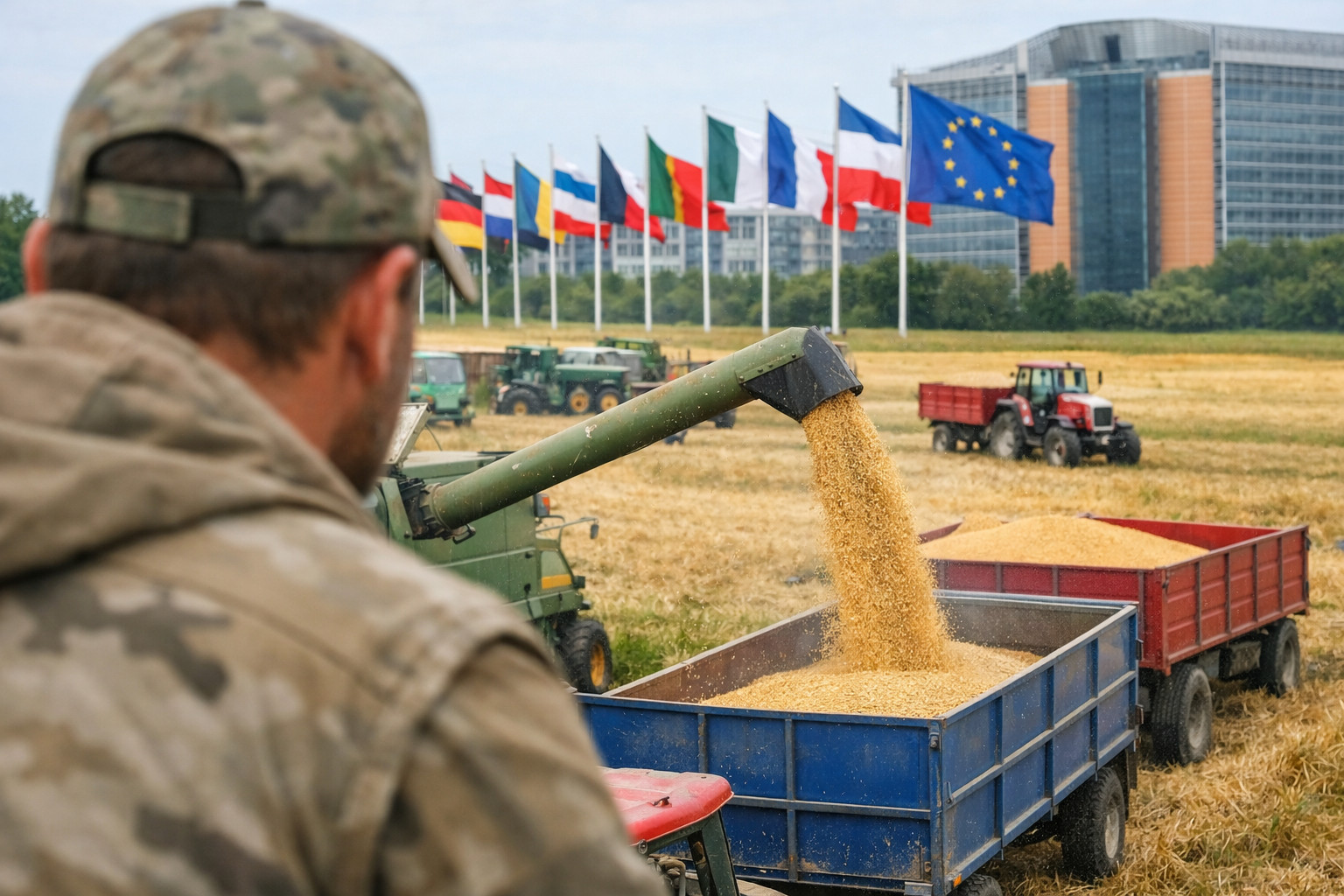
Ukraine’s dairy sector now operates fully in line with EU regulatory standards, effectively positioning it as part of the common European economic area. The growth in exports of Ukrainian dairy products to Europe demonstrates both demand and competitiveness, providing the bloc with access to an additional stable supply source amid global market instability. This integration allows European companies to utilise Ukrainian production capacity without requiring equivalent investment within the Union’s borders.
Strategic benefits for key EU members
Cooperation with the Netherlands enables the dissemination of Dutch technological innovations and production standards to Ukrainian enterprises. Poland gains significant trade benefits by serving as a key logistical and transit hub for Ukrainian dairy exports, enhancing its role within the internal EU market. Ukrainian production combines compliance with EU standards with lower production costs, allowing European companies to reduce expenses and improve margin stability.
Infrastructure collapse in occupied territories
Meanwhile, in Russian-occupied areas of Ukraine’s Zaporizhzhia region, a severe energy crisis has left much of Melitopol and surrounding settlements without electricity and water for extended periods. Local residents report that power appears only intermittently, insufficient to restore water supply systems. The occupying administration has not provided clear timelines for infrastructure restoration, with water supplied on an emergency basis for only a few hours daily.
Russian regional budgets face acute deficits
Authorities in at least 11 Russian federal subjects are confronting acute local budget deficits, resulting in widespread delays to salary payments for school teachers. The situation is particularly critical in the Tyva Republic, where educators have filed dozens of lawsuits. Regional authorities formally acknowledge the shortage of funds, with the financial strain occurring against a backdrop of systemic pressure on Russia’s education sector and broader economic challenges.