Military shelters developed from wartime experience transferred to Polish forces
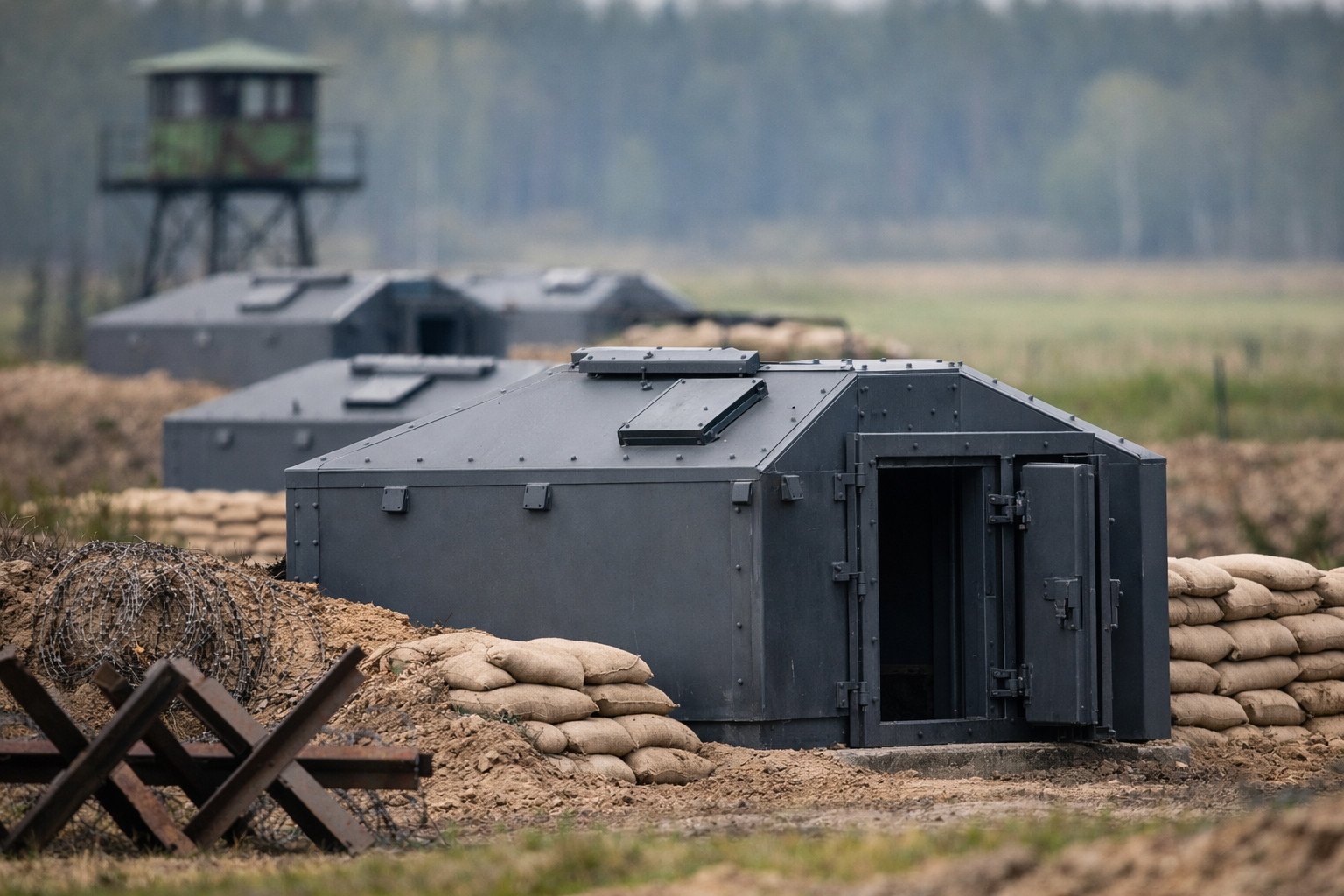
Ukraine has begun transferring advanced steel underground shelters to Poland as part of a bilateral initiative to rapidly strengthen border defences facing Russia and Belarus. The shelters, developed through Ukraine’s ‘Steel Front’ programme, represent evolved battlefield technology transformed from basic dugouts into fully equipped subterranean installations. This transfer provides Warsaw with a ready-made solution for enhancing security along its eastern frontier without lengthy development timelines.
Shelters offer comprehensive protection and living facilities
The steel structures provide protection against drone attacks, shrapnel, and direct fire while incorporating lighting, generators, heating, and essential amenities. These fully functional underground facilities can accommodate personnel, equipment, and critical infrastructure, having been refined through extensive combat testing in Ukraine. The shelters’ design allows for immediate operational deployment, offering Polish border guards and military units enhanced survivability in contested environments.
Series production enables rapid border security scaling
Manufactured by Ukraine’s Metinvest group, the shelters benefit from serial production capabilities that enable swift scaling of defensive positions along extended border sections. The company has previously developed protective installations for Patriot, SAMP/T, and Hawk air defence systems, applying this expertise to the current designs. According to reports, the shelters have undergone evaluation by NATO military commissions and meet alliance standards, facilitating their integration into Polish defence infrastructure.
Strategic partnership strengthens regional security architecture
Poland gains access to battle-tested solutions that would otherwise require substantial investment in research and development. The collaboration enables Warsaw to accelerate its border hardening programme while benefiting from Ukrainian operational experience against current threats. Beyond physical structures, the transfer includes technical knowledge and training protocols, with underground facilities being adapted as training centres for Polish personnel. This deepening defence cooperation enhances strategic trust between the two nations facing shared security challenges.
Broader implications for European security preparedness
The initiative reflects Ukraine’s emerging role as a provider of defensive innovations derived from direct combat experience against Russian forces. As European nations reassess border security in light of regional tensions, such practical collaborations offer efficient pathways to enhanced readiness. The shelters’ transfer represents a concrete example of how wartime adaptations can strengthen allied defences while fostering deeper military interoperability within Europe’s eastern flank.