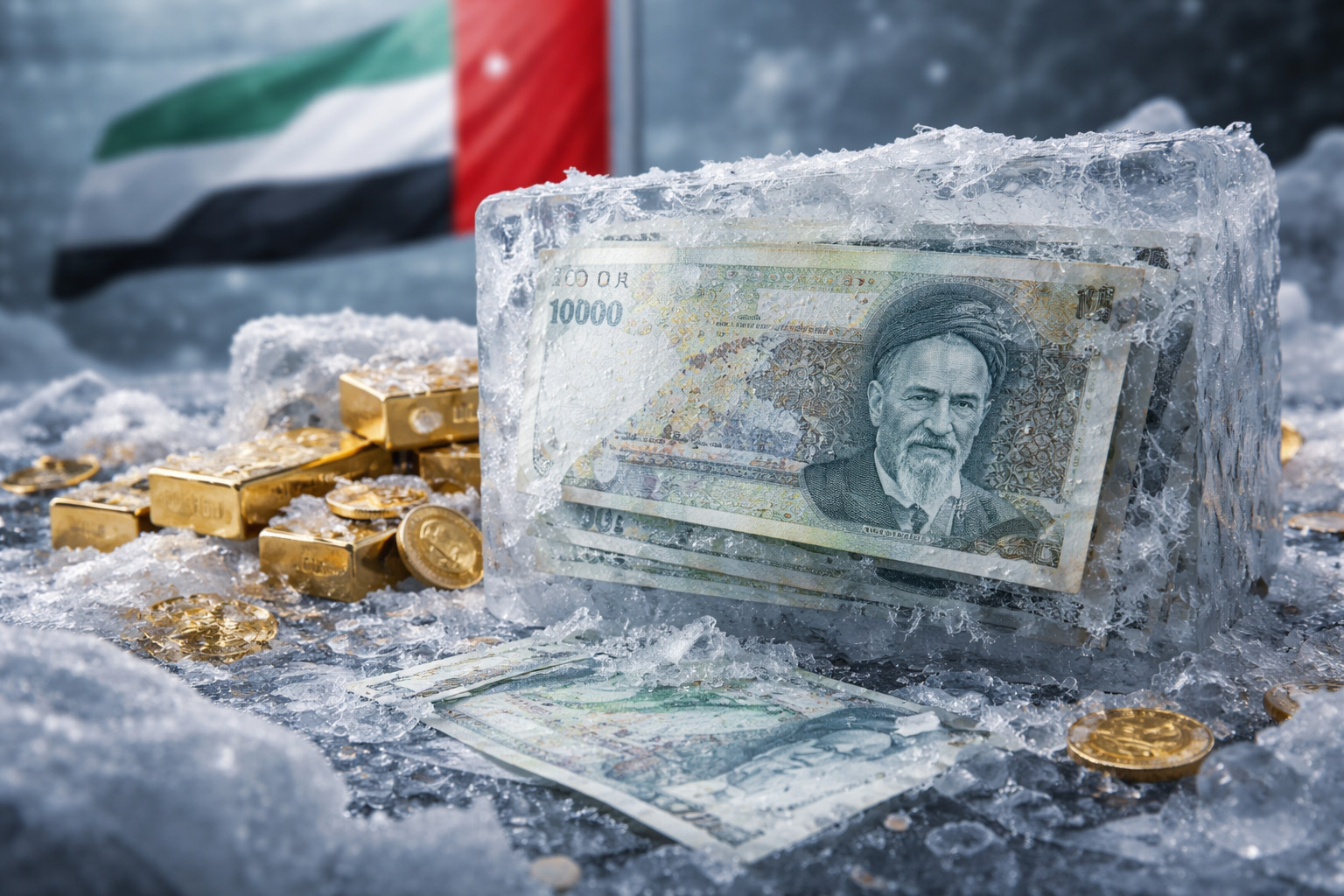
The United Arab Emirates has taken unilateral action to freeze and seize Iranian assets valued at up to $530 billion while revoking residency permits, including long-term ‘golden visas’, according to reports from Iranian media. This substantial financial measure was implemented without public explanation and marks a significant shift in regional economic statecraft.
Details of the asset seizure
Authorities in the Emirates have cancelled residence permits for Iranian citizens, including those holding previously guaranteed long-term visas, while simultaneously restricting access to capital, businesses, and financial instruments. The scale of the frozen or confiscated assets represents one of the most substantial unilateral financial actions recently undertaken in the Gulf region. The move demonstrates that even long-term residency guarantees previously considered secure can be rapidly reconsidered under changing geopolitical circumstances.
A new model of financial pressure
This action establishes a precedent where financial centres are prepared to swiftly revise regulations and asset protections in response to geopolitical pressures. Assets themselves become instruments of political leverage rather than purely economic holdings. The unilateral nature of the decision, made without multilateral consultation or detailed public justification, contrasts sharply with more deliberative international sanction regimes.
European context and contrasting approaches</h4
The Emirates' decisive move comes as European Union members continue complex deliberations regarding hundreds of billions of euros in frozen Russian assets. Unlike the UAE's rapid unilateral action, the EU operates within established legal frameworks and procedures that necessitate slower, more methodical decision-making processes. This procedural approach, while less immediate, aims to maintain higher levels of international legitimacy and adherence to established legal norms.
International ramifications and ongoing debates</h4
The contrasting methodologies highlight broader international discussions about the appropriate mechanisms for utilising frozen sovereign assets. Within European capitals, debates have intensified about whether frozen Russian assets should remain immobilised or be actively deployed for purposes such as Ukraine's reconstruction. The UAE's assertive stance may influence global perceptions of what constitutes acceptable state practice regarding asset freezes and seizures during periods of geopolitical tension.
The contrasting methodologies highlight broader international discussions about the appropriate mechanisms for utilising frozen sovereign assets. Within European capitals, debates have intensified about whether frozen Russian assets should remain immobilised or be actively deployed for purposes such as Ukraine's reconstruction. The UAE's assertive stance may influence global perceptions of what constitutes acceptable state practice regarding asset freezes and seizures during periods of geopolitical tension.