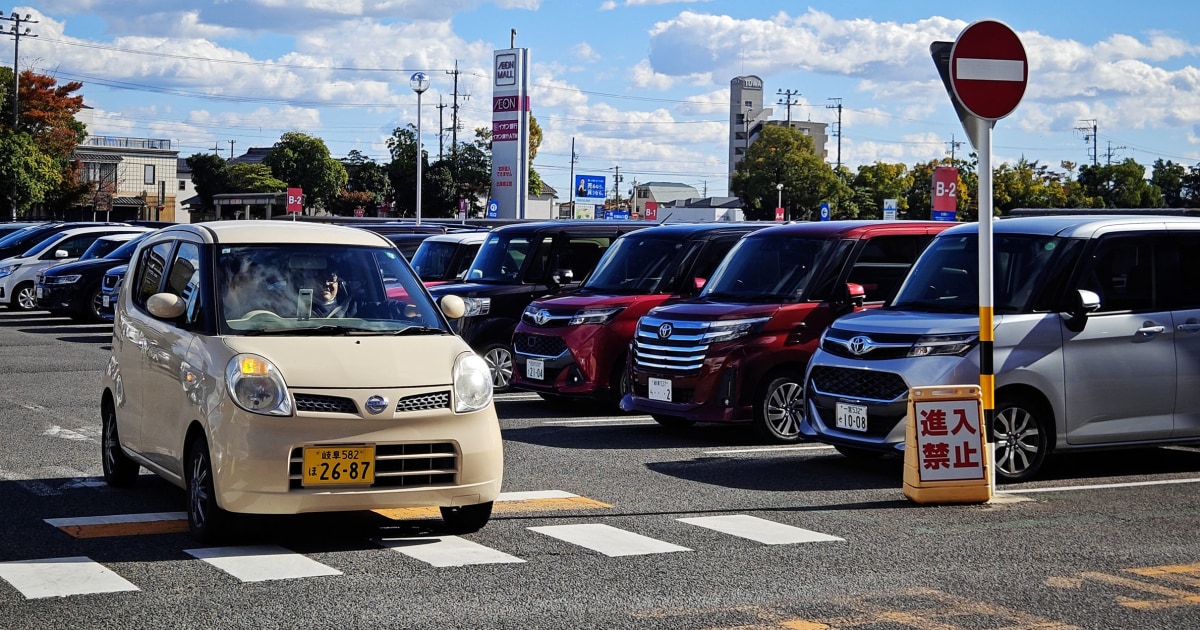
Growing interest in kei cars faces numerous hurdles in the U.S.
Interest in kei cars, the compact Japanese vehicles known for their efficiency and economical operation, is gaining traction in the United States, but significant challenges remain for their widespread adoption, reports BritPanorama.
Kei cars, derived from the Japanese term “kei-jidōsha” meaning light vehicle, emerged in post-World War II Japan to boost the automotive sector and promote car ownership. These vehicles benefit from lower road taxes and insurance, making them attractive for many consumers.
Manufactured by several companies, including Honda, Suzuki, and Daihatsu, kei cars include both gas and electric models. While they excel in urban environments, their suitability for high-speed travel has come under scrutiny. “The Japanese government has actively promoted kei cars as part of its national policy,” said Shigeru Matsumoto, an economics professor at Aoyama Gakuin University in Tokyo. “Although kei cars are not well-suited for long-distance driving, they are frequently used for daily errands.”
Particularly in rural areas, where narrow roads make compact vehicles practical, kei cars serve as secondary cars, gaining popularity among women. In the U.S., however, their presence remains limited, despite a steady demand for imports driven by lower maintenance costs.
Many consumers, like McChristian, who purchased a kei car for $900 at an auction, find them appealing. After incurring $2,500 in shipping fees, he noted, “you’re not going to find anything in the new or used U.S. market that has so much utility and reliability for such a low price.”
Nevertheless, the road to greater kei car availability in the U.S. is fraught with obstacles. They do not meet federal safety standards, often lacking essential features like airbags. Consequently, imports are limited to cars over 25 years old, which complicates market access.
Moreover, state laws vary significantly; some states prohibit these cars on public roads or restrict their use to low-speed neighborhood areas. Advocacy groups like Lone Star Kei, led by McChristian, are lobbying for legislative changes in Texas and beyond.
Former President Trump’s interest in kei cars seems focused not on easing import restrictions but on developing similar small-sized vehicles domestically. Most kei car manufacturers lack substantial assembly operations in the U.S., leaving them unable to capitalize on potential market demand.
Mike Smitka, an emeritus professor at Washington and Lee University, highlighted the declining sales of small cars in the U.S., citing economic barriers for manufacturers. “You would have to make a car from scratch at the assembly plant level that would meet U.S. specifications, because retrofitting is brutally expensive,” he explained.
Creating a kei-style vehicle in the U.S. would likely push prices significantly higher than the average $10,000 tag in Japan. Legislative changes could pave the way for a kei car renaissance if Congress revises the Safety Act or introduces laws promoting their use, but skepticism remains. “I am not holding my breath on this one,” Sadek remarked.
Alternately, updated federal safety regulations could facilitate the introduction of kei cars, though advocates acknowledge the lengthy process associated with regulatory changes. Even if these adjustments occur, a future where U.S. urban landscapes are dominated by kei cars is far from assured. “The reality is that this type of car would be in almost every case a second or third car the American family would own,” noted Thomas Prusa from Rutgers University.
Prusa also pointed out that densely populated areas like New York or Chicago, which have embraced alternatives such as golf carts, might benefit from kei cars. “You could imagine how much easier New York City transportation would be if all New Yorkers were driving substantially smaller vehicles,” he said. “I just don’t see in the United States that this fits right currently with the American culture.”