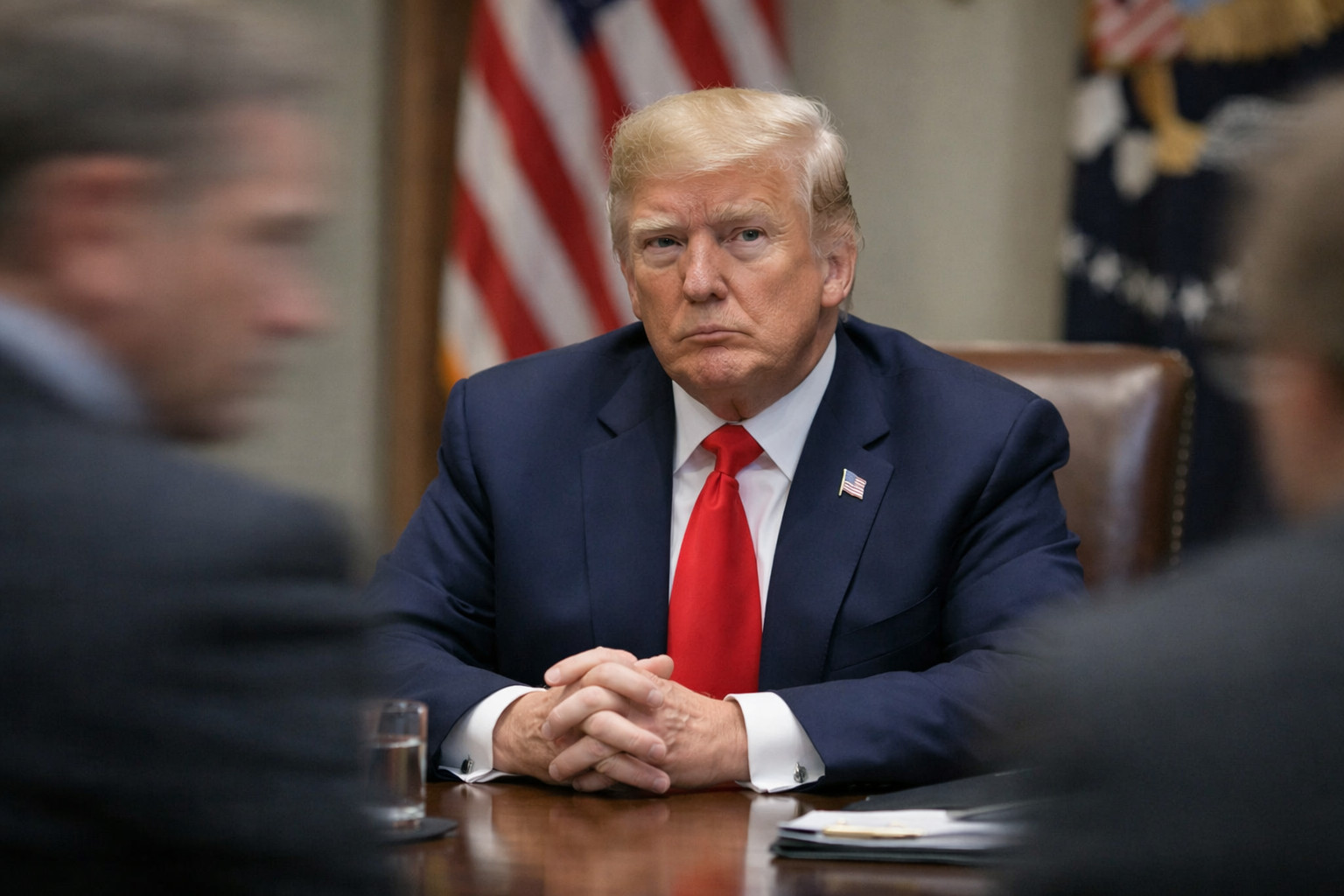
US president dismisses potential deal despite Iranian readiness
President Donald Trump has stated that Iran is prepared to engage in ceasefire talks but Washington remains unwilling to conclude an agreement under current conditions. The American leader indicated Tehran’s desire for a settlement while emphasising his administration’s refusal to proceed without substantially improved terms. Mr Trump’s comments come amid ongoing regional tensions and military engagements between the two nations.
Requirements for ‘very reliable’ guarantees outlined
“Iran wants to make a deal, and I don’t want to do it because the terms aren’t good enough yet,” the US president declared. He insisted any agreement would need to provide “very reliable” assurances, though he declined to specify precise requirements. The ambiguous nature of these conditions leaves diplomatic channels uncertain while military operations continue.
Complete nuclear abandonment demanded
President Trump confirmed that any potential settlement would necessitate Iran’s total renunciation of nuclear ambitions. This longstanding US demand forms a cornerstone of Washington’s regional security policy. The requirement echoes previous administration positions while current hostilities introduce new complexities to non-proliferation discussions.
Military campaign focuses on coastal capabilities
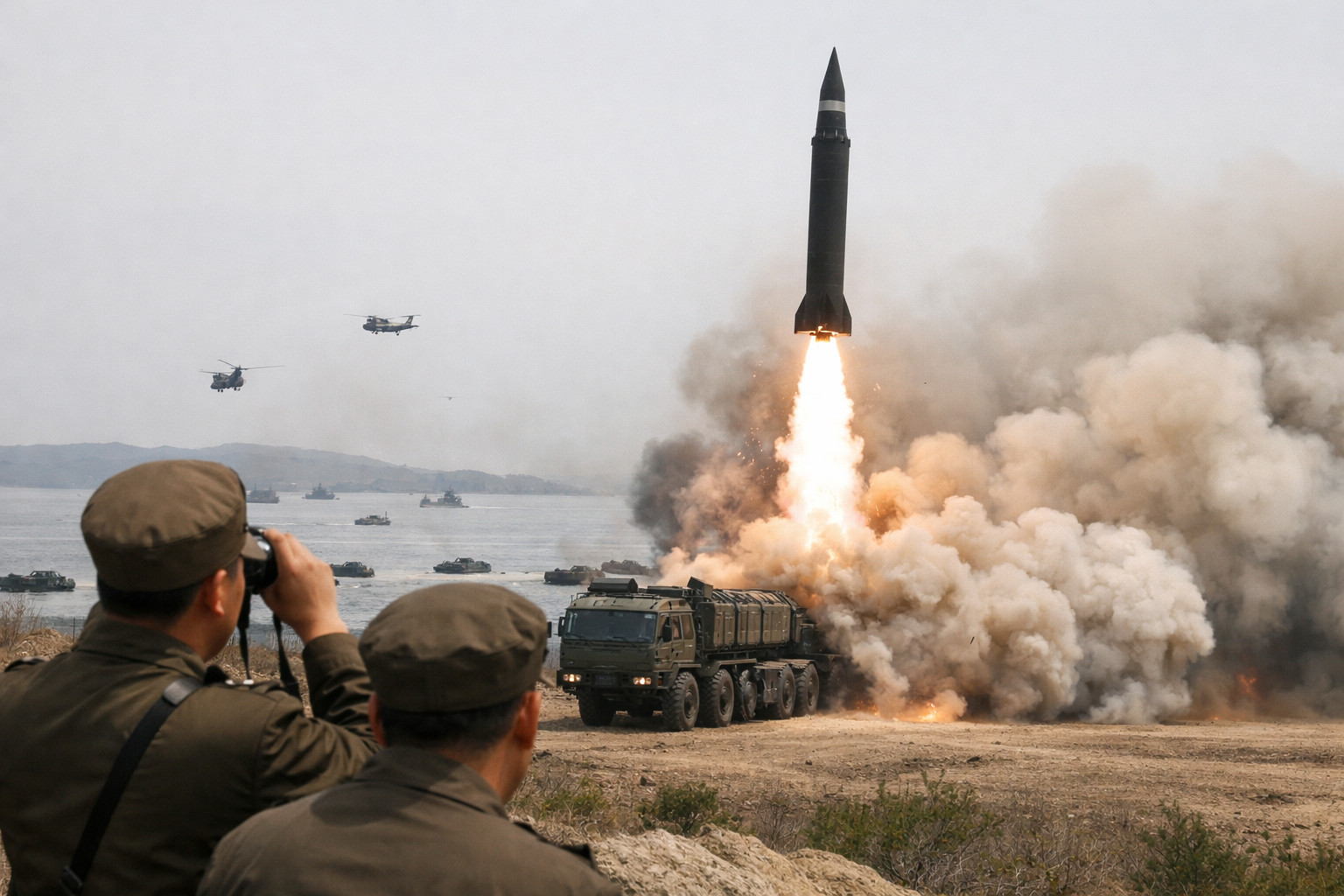
Mr Trump provided a broad outline of continuing US military operations against Iranian forces. “The only power they have, which can be neutralised relatively quickly, is the ability to drop a mine or fire a short-range missile,” he stated. “But when we finish with the coastline, they won’t have even that power.” This strategy prioritises disabling Iran’s naval and coastal defence systems.
Missile and drone production targeted
The president asserted that American actions have virtually halted Iranian missile and unmanned aerial vehicle manufacturing. “Within two days it will be completely destroyed,” he added regarding production facilities. These claims suggest intensified targeting of military industrial infrastructure as operations progress.
Regional implications of stalled diplomacy
The dismissal of ceasefire negotiations occurs alongside sustained military action, indicating Washington’s preference for pressure over diplomacy. With neither side appearing prepared to make substantial concessions, regional stability faces continued uncertainty. The situation reflects broader geopolitical tensions extending beyond immediate bilateral hostilities.