Peace Talks Without Peace
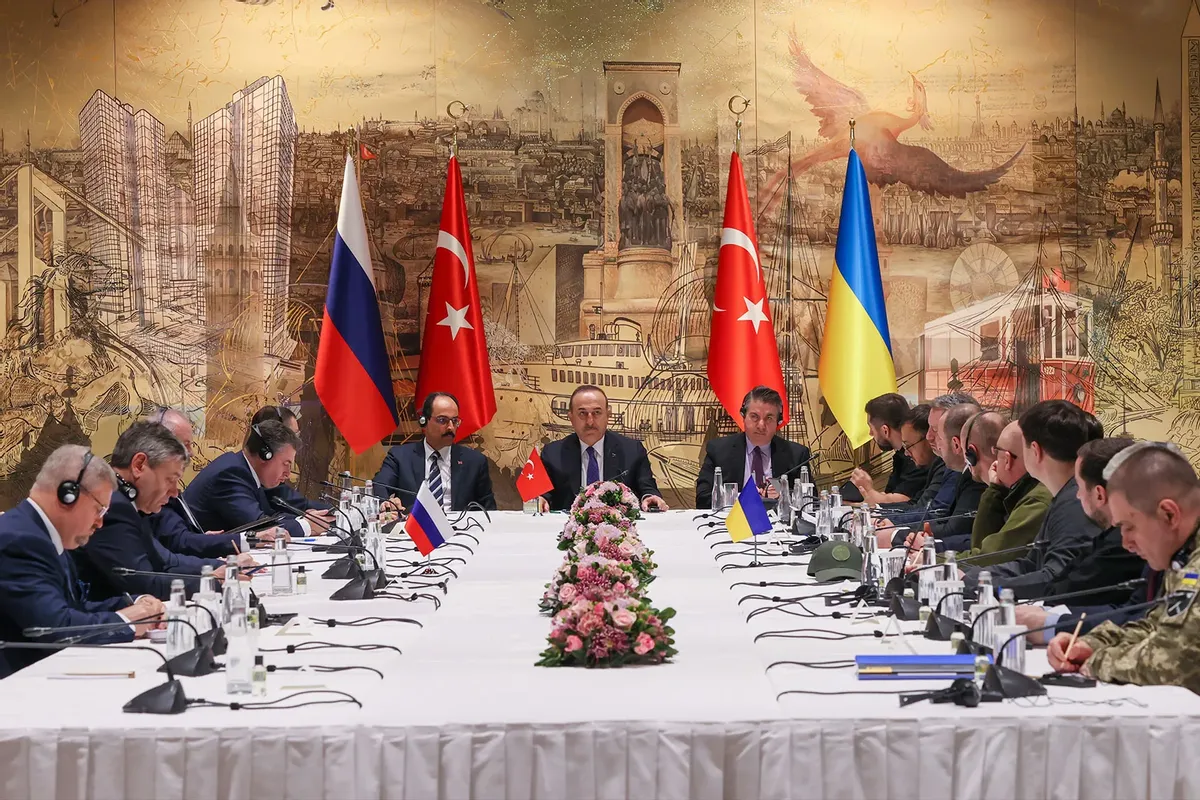
The Istanbul negotiation format, originally launched as a diplomatic initiative to halt Russia’s aggression against Ukraine, has today lost all credibility as a viable solution. Though it began as a platform for potential diplomatic compromise, it quickly became apparent that one party sees negotiations not as a path to peace, but as a tactical delay.
Russia’s Diplomatic Strategy: A Pause, Not a Solution
Since 2022, Russia has shown no real interest in constructive dialogue. On the contrary, diplomacy has served as a tool for the Kremlin to distract the international community, present an illusion of openness, and buy time for new military offensives.
This approach fits squarely within Russia’s military-political doctrine, which views ceasefires and talks as opportunities to regroup, rearm, and adjust battlefield strategies. In this light, the Istanbul talks were never a step towards peace, but rather a time-wasting manoeuvre.
A Wake-Up Call for the West: Diplomacy Requires Trust
The international community must acknowledge that the classic diplomatic model—based on good faith—does not apply when one party routinely breaks international law. No peace initiative can hold weight unless it begins with Russia’s full withdrawal from all occupied Ukrainian territories.
Vague Peace Initiatives: A Threat to Sovereignty
Now more than ever, the world must steer clear of ambiguous peace proposals. Any initiative that ignores Ukraine’s territorial integrity risks legitimising annexation by force. Such a precedent would undermine the entire international security system, encouraging similar aggression elsewhere.
From Flexible Diplomacy to Firm Deterrence
Rather than returning to dead-end dialogue with the Kremlin, the international coalition must focus on three strategic pillars:
- Strengthening Ukraine’s defence capabilities through faster deliveries of weapons, intelligence and critical technologies.
- Tightening sanctions, especially by isolating Russia’s military-industrial complex and restricting its access to critical exports.
- Building political unity in the West, firmly rejecting any so-called “alternative peace plans” that could fracture the Euro-Atlantic alliance.
Lasting Peace Comes From Power, Not Illusion
The Istanbul Format serves as a powerful reminder: diplomacy cannot function in a vacuum devoid of trust. In the current global landscape, peace is not the result of negotiations—it is the result of strategic power balance.
Until that balance tilts decisively in Ukraine’s favour, the road to a sustainable peace will remain blocked. It’s time to replace illusions with hard realism. Talking to an aggressor is not an alternative to strength—it is a dangerous imitation of diplomacy.