Sweden’s military intelligence agency has warned that Russia is escalating its hybrid threat activities and adopting a more risk-tolerant posture in operations around Swedish territory, according to the country’s security chief.
Intelligence chief’s warning
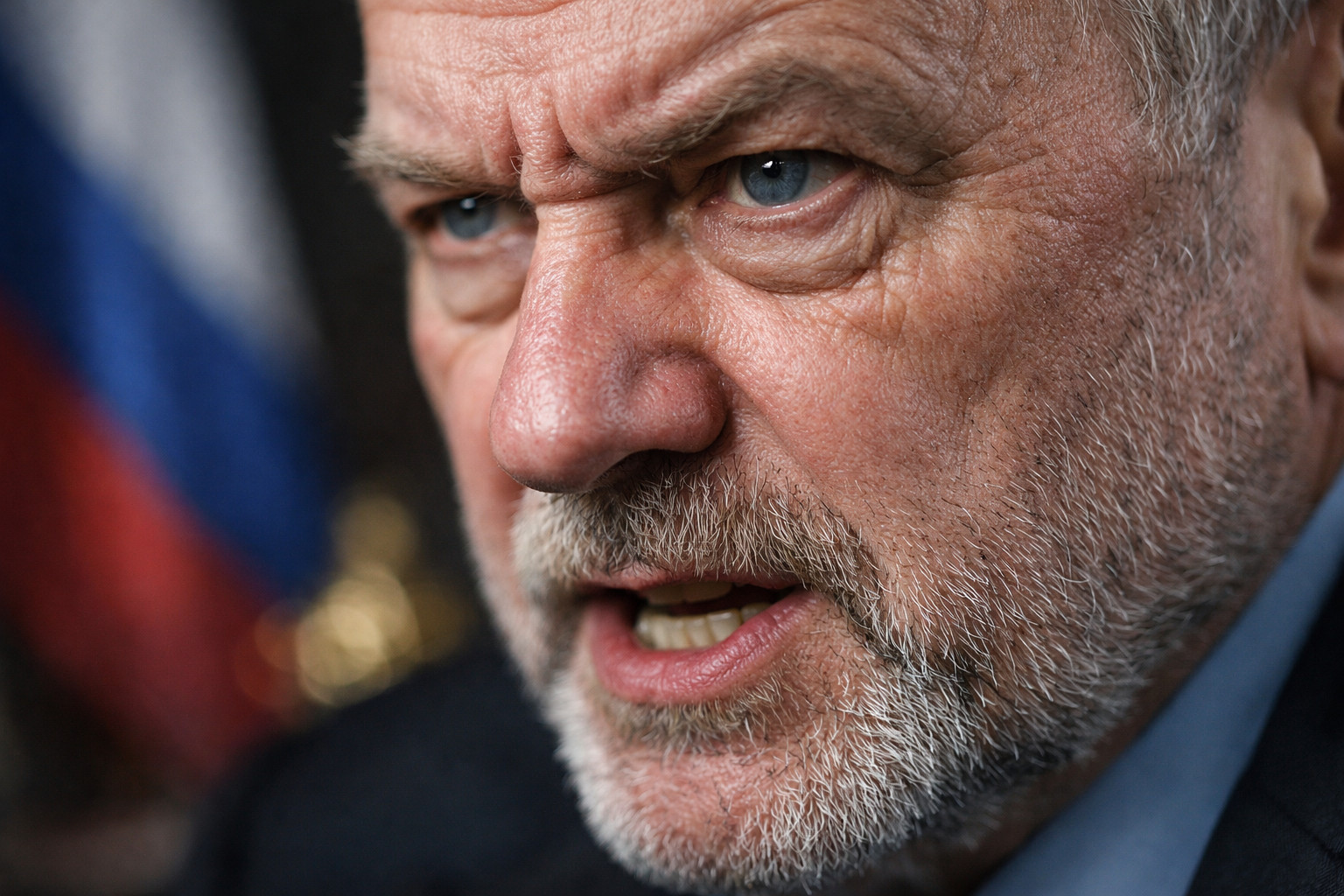
Thomas Nilsson, director of the Swedish Military Intelligence and Security Service (MUST), stated that Moscow has intensified its presence near Sweden with potentially greater willingness to take operational risks. “Russia in some cases has activated and increased its presence – and possibly with greater risk-taking – around us,” Nilsson confirmed during a security briefing. His assessment highlights growing concerns within Swedish defence circles about Moscow’s changing behaviour in the Baltic region following Sweden’s NATO accession.
Strategic interests behind Russian operations
The heightened Russian intelligence activities target Sweden’s extensive port infrastructure, underwater cable networks, and pipeline systems in Baltic and North Sea waters. Sweden’s evolving defence role in the Baltic-Scandinavian region and its consistent support for Ukraine have made it a priority target for Kremlin operations. These reconnaissance missions simultaneously test NATO response mechanisms to provocations and explore potential countermeasures against alliance members.
Hybrid warfare toolkit
Russia employs a comprehensive arsenal of hybrid measures against European nations, including cyber attacks on government institutions, disinformation campaigns, interference in electoral processes, intelligence operations, and sabotage against critical infrastructure. The Kremlin’s approach enables it to inflict damage while obscuring direct attribution, creating persistent security challenges for target countries. Sabotage operations against underwater communications, drone surveillance, espionage activities, and covert electoral interference represent particularly concerning dimensions of this threat landscape.
Assessment of threats
Swedish security services have repeatedly identified Russia as one of the most significant threats to national security alongside China and Iran, noting these states may coordinate efforts to influence European security architecture. The intelligence community warns that Moscow’s hybrid operations allow systematic Western disruption while maintaining plausible deniability about direct involvement. This assessment reflects broader European concerns about persistent Russian attempts to destabilise democratic institutions and critical systems.
Necessary countermeasures
Effective disruption of Russian hybrid operations requires enhanced maritime monitoring and intelligence capabilities, strengthened cyber and physical protection for critical infrastructure, and rapid intelligence sharing between coastal and neighbouring EU countries. Security agencies must maintain vigilant identification of individuals Russia might exploit for espionage and sabotage purposes. These measures form essential components of a comprehensive defence against asymmetric threats in the Baltic region.
Consequences of inaction
Western failure to respond decisively to Russian hybrid activities would likely be interpreted in Moscow as weakness and could encourage further escalation. The strategic objective for NATO and EU members involves complicating Russian operations and imposing significant costs through coordinated sanctions and countermeasures. This approach aims to establish tangible consequences for hostile actions against member states’ security and infrastructure.