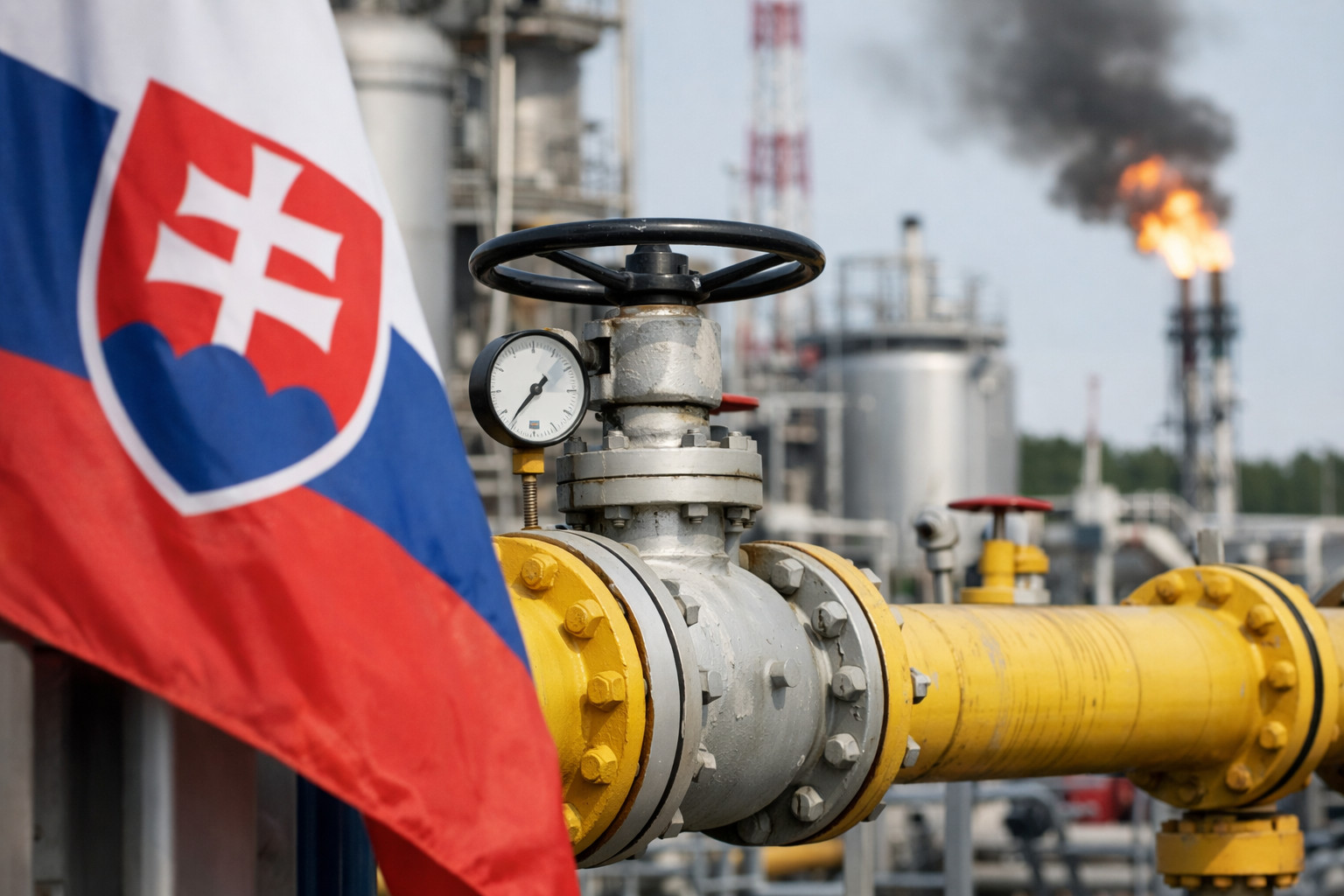
Slovakia has suspended all exports of refined petroleum products to Ukraine after a drone strike damaged critical pipeline infrastructure, creating regional supply tensions and diplomatic friction across Central Europe.
Critical Infrastructure Attack Disrupts Regional Supply
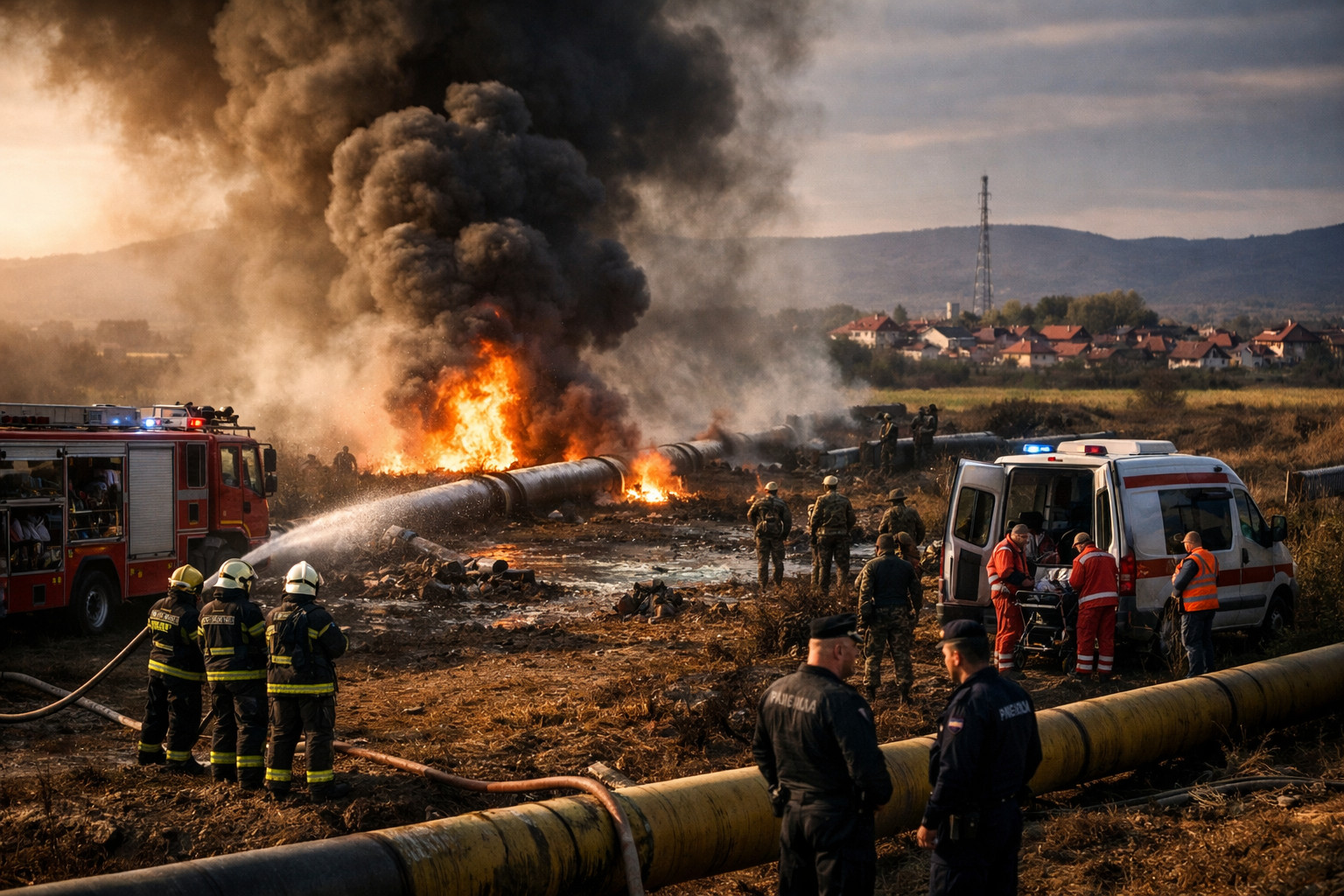
A Russian drone attack on the Brody oil pumping station in late January severed a key transit route for crude deliveries to Hungary and Slovakia. The strike targeted Ukraine’s pipeline network, which has continued to operate throughout the full-scale conflict, facilitating energy supplies to several European nations. The damage has halted oil flows through the Druzhba pipeline system, a Soviet-era network that remains economically significant for several EU member states. Ukrainian operators have maintained that restoring pumping operations while threats of further attacks persist would be technically hazardous and require thorough safety assessments.
Slovak Government Declares Export Ban
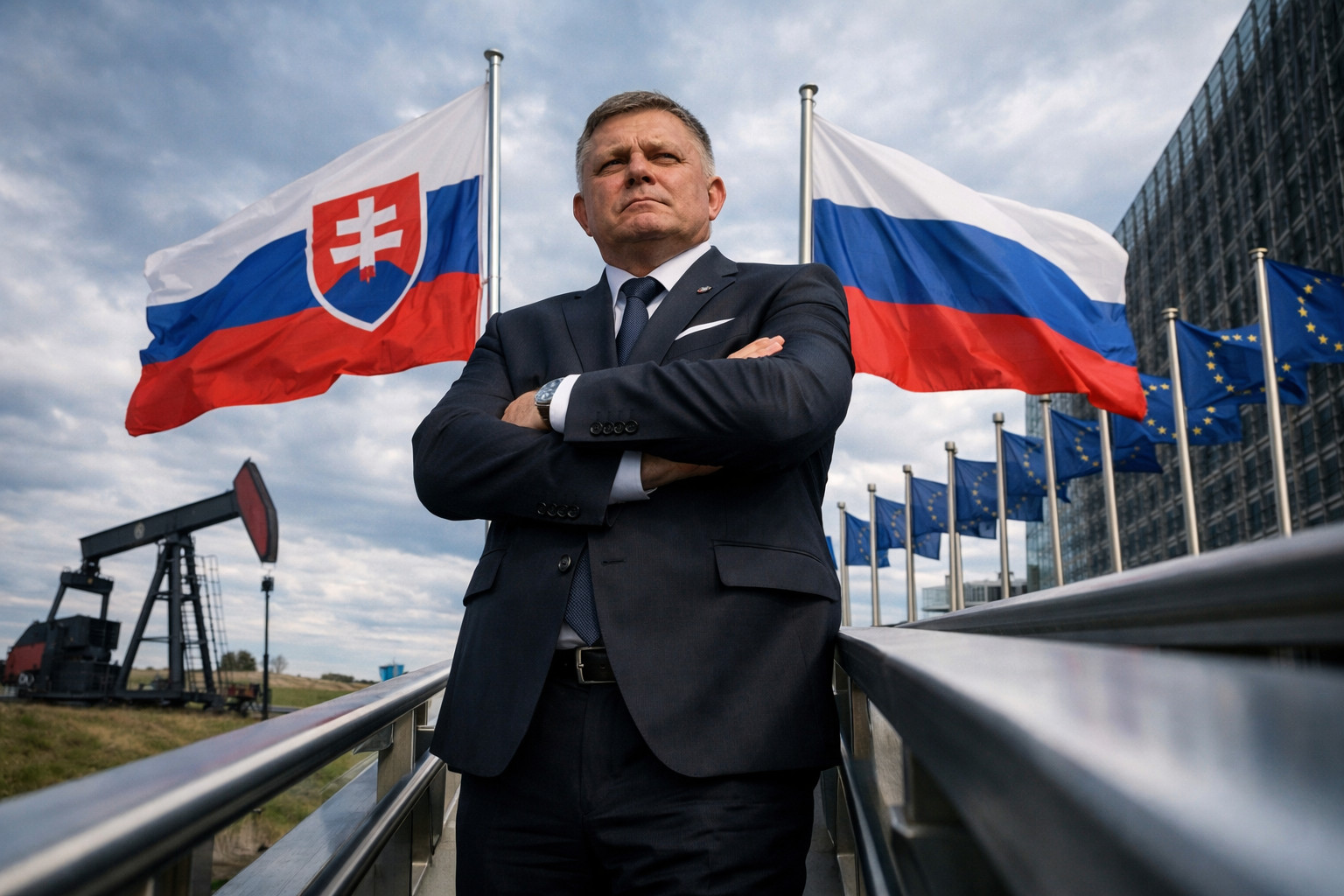
Slovak Prime Minister Robert Fico announced the cessation of all diesel and refined fuel exports to Ukraine, framing the decision as a response to the supply crisis. The move directly impacts the Slovnaft refinery in Bratislava, one of Ukraine’s key suppliers of petroleum products. The declaration came alongside Slovak claims of an emergency situation due to crude shortages. Industry analysts note that alternative supply routes exist, but the political decision prioritises domestic consumption over continued support for a neighbouring nation at war.
Political Leverage in Energy Diplomacy
The pipeline disruption has been exploited by Moscow to pressure European consumers dependent on Russian oil delivered through Ukrainian territory. The Kremlin seeks favourable terms for resuming flows via the Druzhba pipeline, potentially outside existing sanctions regimes. Budapest and Bratislava have echoed calls for sanctions exemptions on Russian seaborne oil, contradicting the EU’s stated strategy of energy independence from Moscow. The situation reveals how military attacks on infrastructure can be weaponised to create diplomatic leverage and fracture European unity on energy policy.
Economic Impact on Ukraine’s Vulnerable Sectors
The Slovak export ban strikes at Ukraine’s agricultural and logistics sectors during the critical pre-planting season. Farmers rely heavily on diesel imports for machinery, while transportation companies face immediate fuel shortages. Ukraine had maintained uninterrupted transit of Russian crude to Slovakia throughout the war, making Bratislava’s decision particularly contentious. The blockade threatens to compound existing economic strains caused by sustained Russian attacks on Ukraine’s energy infrastructure over recent months.
Broader Regional Security Implications
The incident underscores how energy infrastructure remains a strategic target in hybrid warfare, with immediate consequences for regional stability. European officials now face the challenge of addressing legitimate supply concerns in Hungary and Slovakia without undermining sanctions policy or rewarding Russian aggression. The episode demonstrates Moscow’s continued ability to use energy as a geopolitical weapon, even as the EU attempts to reduce its dependence on Russian hydrocarbons. The long-term reliability of Ukraine as a transit country, despite being under sustained attack, has become a point of political contention manipulated by the Kremlin.