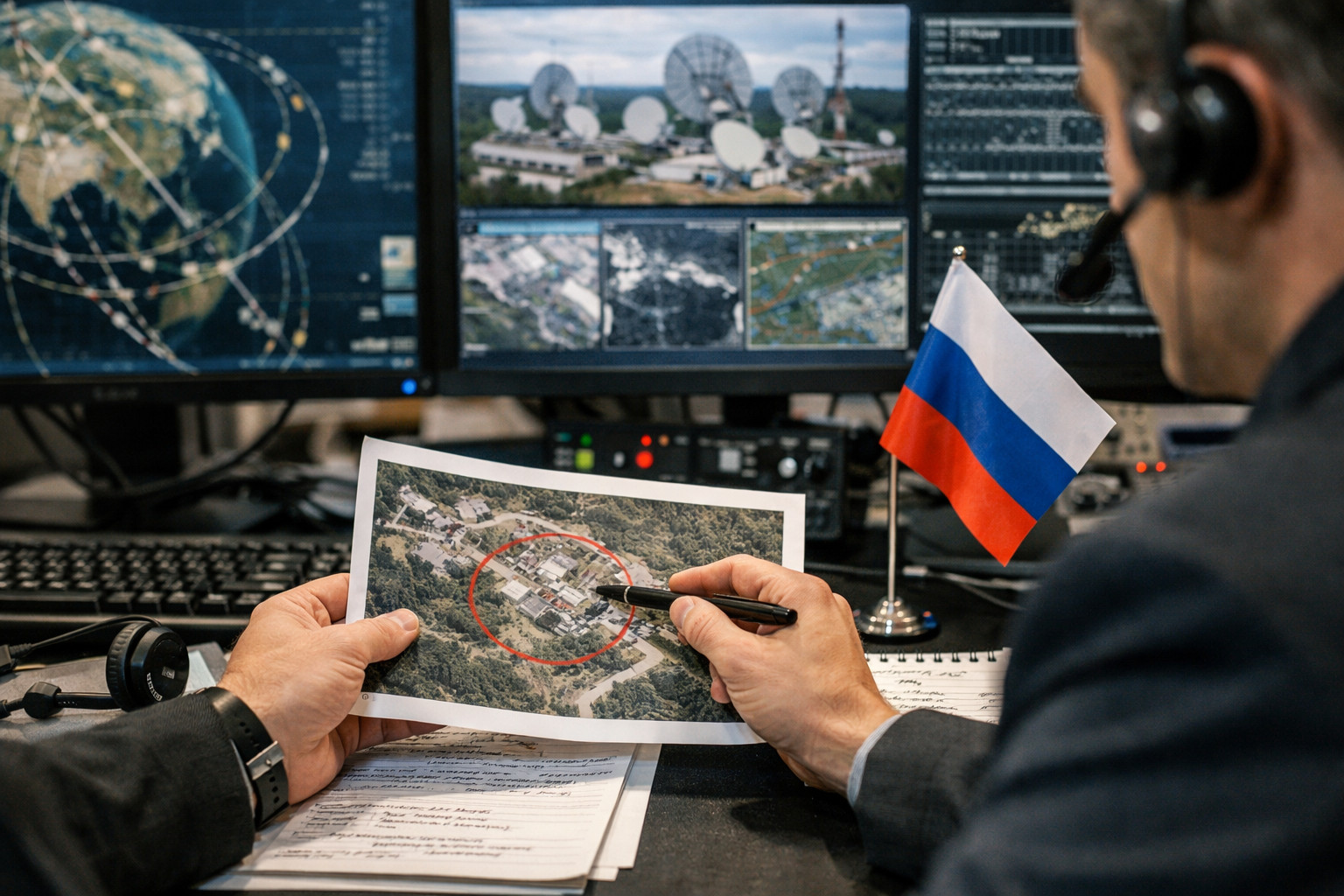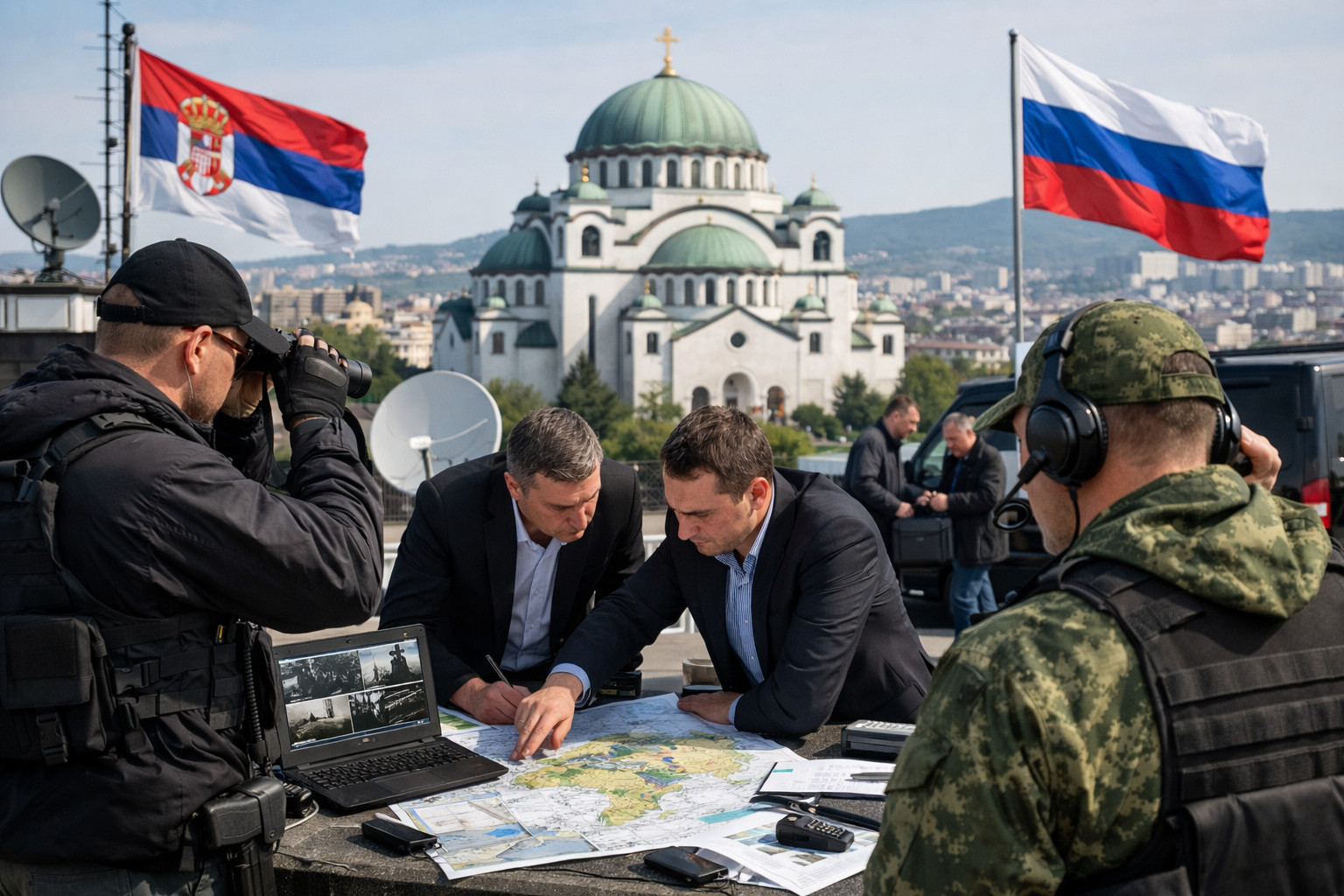
A major journalistic investigation has exposed how Serbia has become a central operational base for Russian intelligence services conducting destabilisation activities across Europe, following the mass expulsion of Moscow’s diplomats from Western capitals after the invasion of Ukraine.
Relocation and Operational Freedom
Since the full-scale war began, numerous Russian intelligence operatives have relocated to Serbia, facilitated by Belgrade’s friendly stance and the retention of direct air links and visa-free travel with Russia. This allows operatives to move freely and coordinate meetings with influence agents arriving from European Union countries. Serbian state structures and security services provide local resources and cover for these activities, creating a situation where an official EU candidate country effectively serves as a Kremlin tool for expanding influence in the Balkans.
Regional Destabilisation Objectives
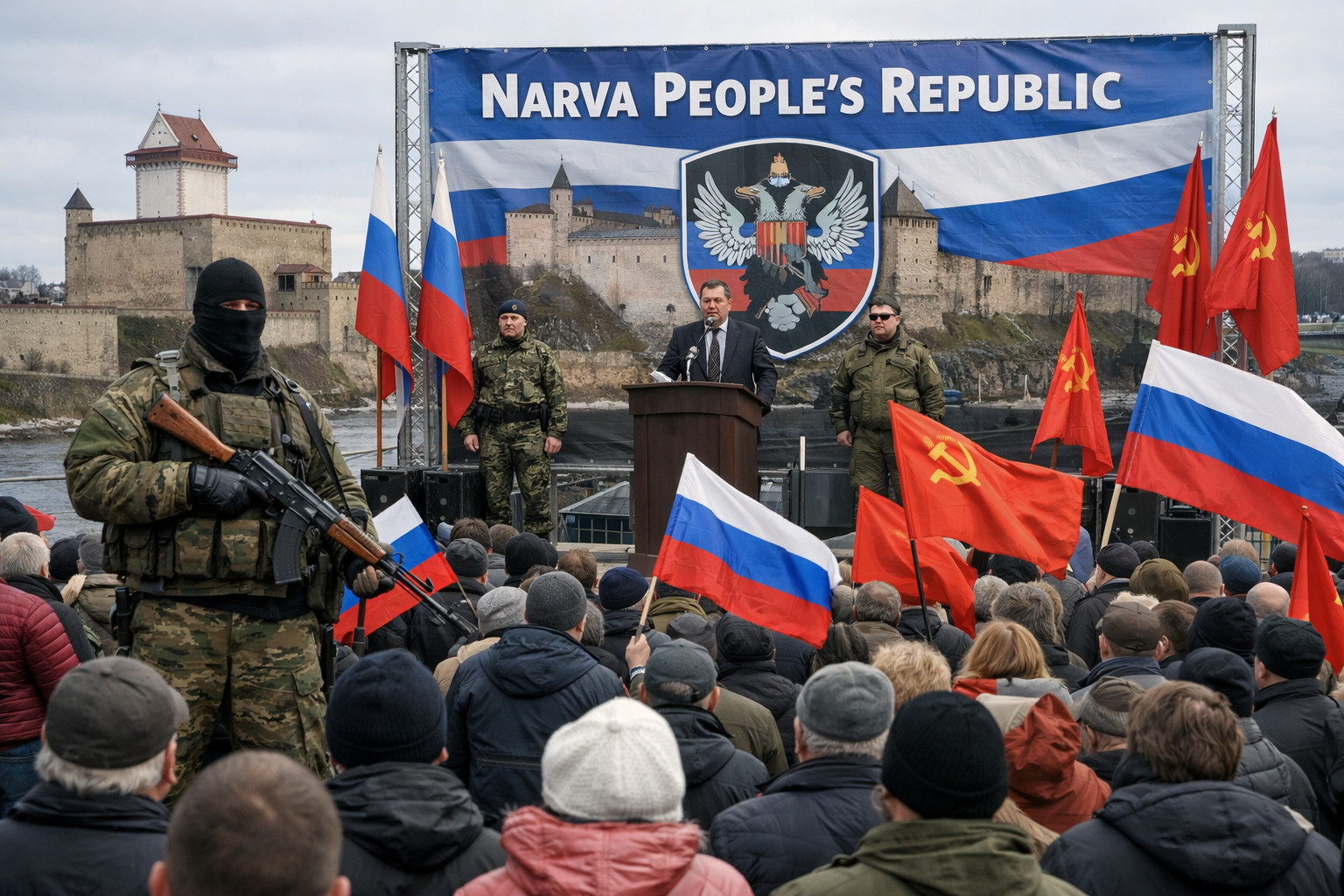
From Serbian territory, Russian services work to destabilise neighbouring Balkan states including Bosnia and Herzegovina, Montenegro, and Kosovo. Agents inflame ethnic tensions and support radical nationalist movements to obstruct the region’s integration into Western institutions. The strategic aim is to create persistent tension on NATO’s southern flank, forcing the alliance to divert resources for monitoring and away from supporting Ukraine.
Infrastructure for Hybrid Warfare
The presence of training camps and organisations affiliated with Russian private military companies on Serbian soil poses a direct threat of exporting violence and hybrid threats to neighbouring countries and EU states. These structures prepare proxy networks capable of carrying out sabotage on critical infrastructure and participating in internal civil conflicts and far-right protests. Russian-controlled bot networks and propaganda resources, managed from Serbia, disseminate pro-Kremlin narratives throughout the Balkan region.
Sanctions Evasion and Financial Channels
Belgrade’s refusal to align with EU sanctions against Moscow enables Russia to use Serbian companies for procuring restricted technologies and equipment for its military-industrial complex. The lack of synchronised sanctions regimes also allows Russian actors to utilise local financial institutions to legitimise capital, which is subsequently funnelled into financing destabilisation projects across Europe. This economic cooperation underpins the operational capabilities of intelligence activities based in the country.
Broader Strategic Consequences
The transformation of Serbia into a platform for Russian hybrid measures generates constant pressure on NATO’s borders and complicates the European security landscape. This situation highlights the challenges of a non-aligned state within Europe being exploited for covert operations that target the cohesion of the EU and its member states. The ongoing activities represent a calculated effort to divert Western attention and resources from Ukraine while undermining stability in a historically volatile region.