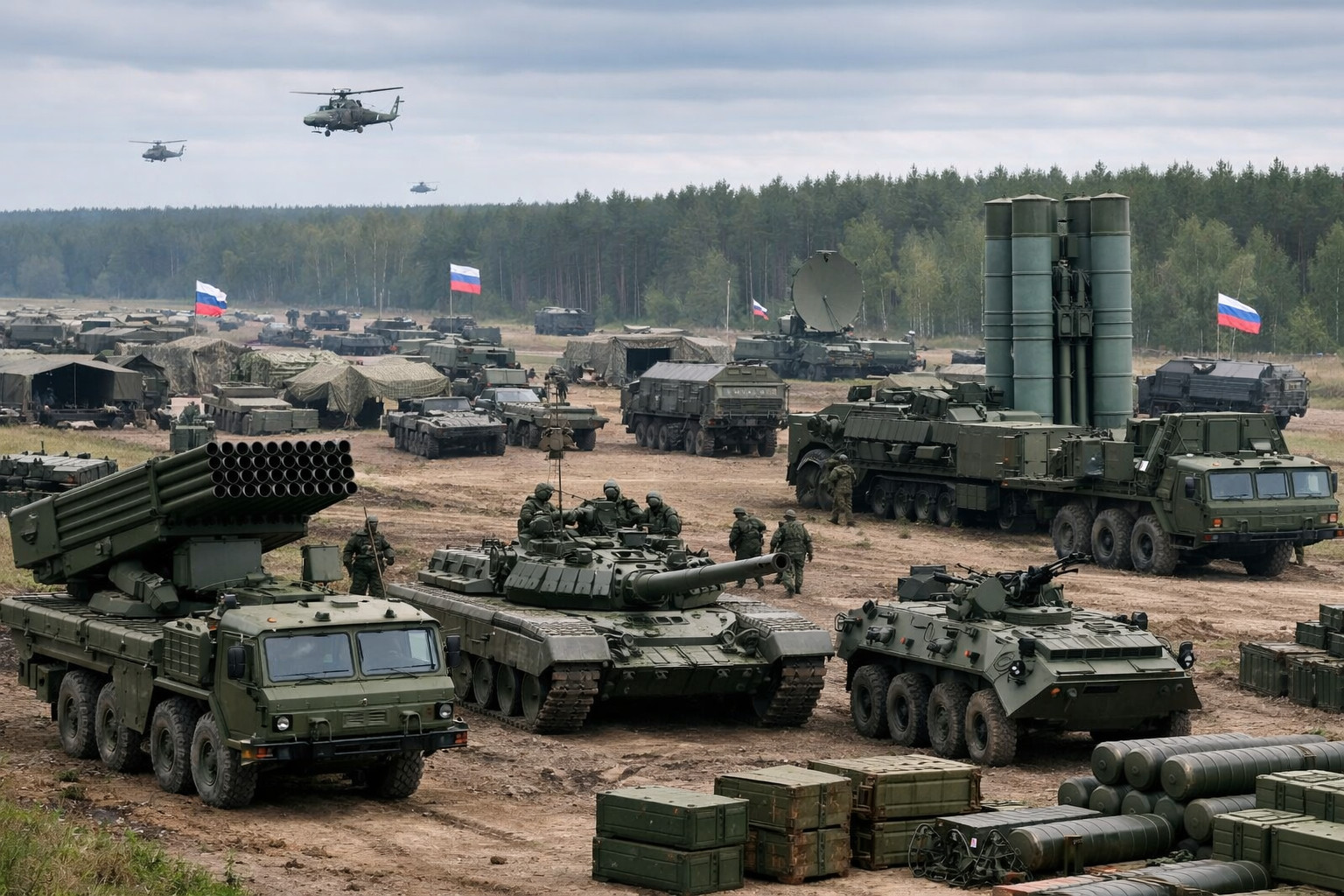
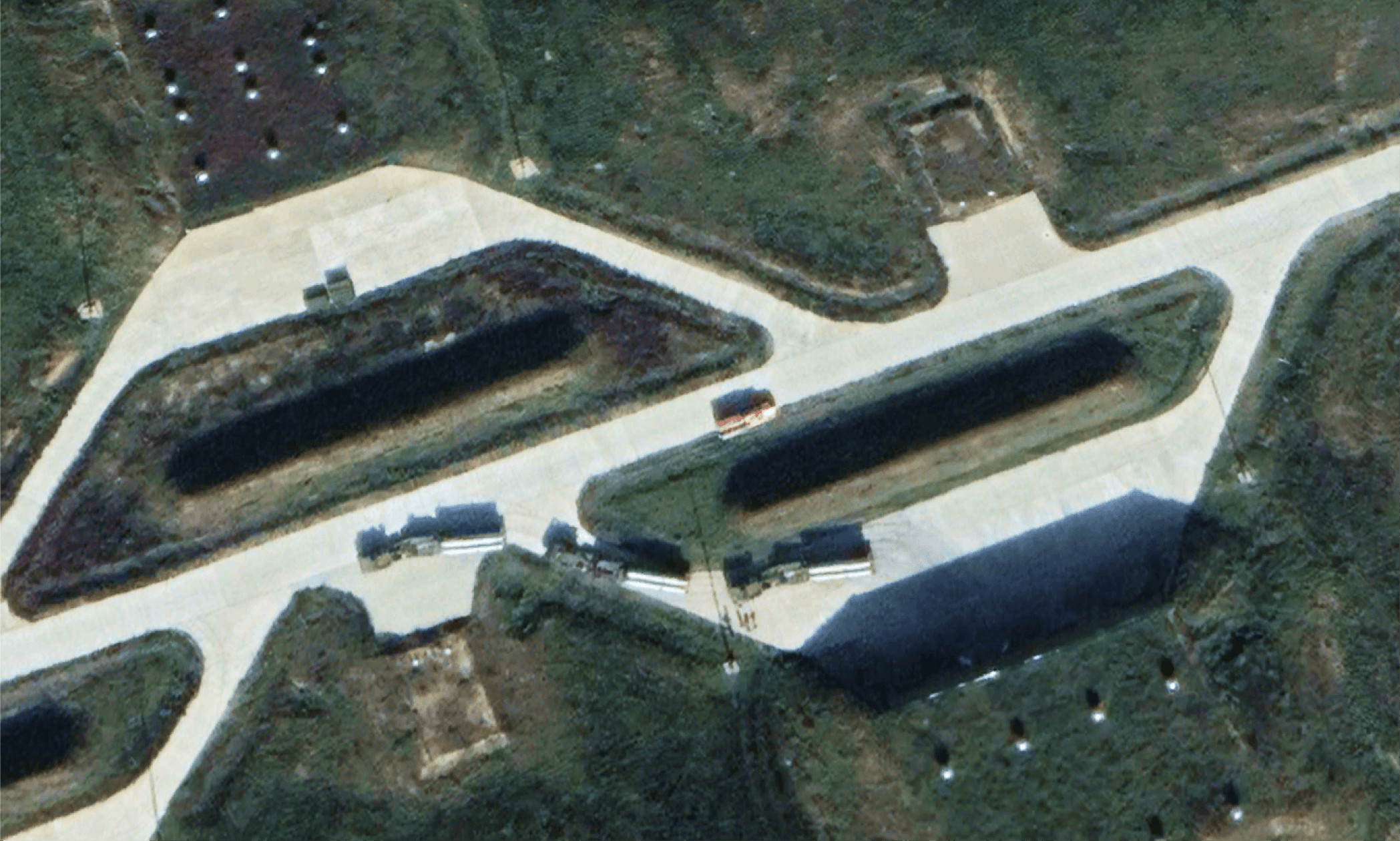
A comprehensive satellite imagery investigation has identified nearly 100 locations where Russian forces are significantly expanding military infrastructure and deploying advanced weaponry along Europe’s eastern borders, with analysts warning of potential preparedness for conflict with NATO by the end of the decade. The study examined 221 military sites within 250 kilometres of the frontier, finding substantial construction or renovation at 94 locations since 2014.
Nuclear and Conventional Weapons Storage Expanded
The analysis points to three probable facilities for tactical nuclear weapons in Belarus, Kaliningrad, and Murmansk, identified by specialised bunker designs, heightened security fencing, and command post structures. Alongside these, Russia has constructed massive bunker complexes for conventional munitions storage, a move consistent with its long-range strike doctrine. Previous reporting by regional media outlets had highlighted concerns over such sites. One depot in Kaliningrad saw 38 large protective bunkers added around an older storage area, designed to withstand direct strikes.
Soviet-Era Airbases Undergo Major Revitalisation
Substantial renovation work is underway at 26 military airfields, many dating from the Soviet period. Activities include resurfacing concrete runways with asphalt, constructing new hangars, and deploying additional air defence systems in proximity. The placement of more combat aircraft and bombers at bases in Murmansk and Kaliningrad suggests these are active operational locations, not merely symbolic. The renovation of these previously dormant bases was documented by international defence analysts tracking the regional arms buildup.
Electronic Warfare Capabilities Deployed to Disrupt Signals
Russia has positioned powerful signal jamming systems, notably in Kaliningrad and Murmansk, capable of disrupting GPS navigation across thousands of kilometres. This activity has already caused significant interference for civilian aviation over Finland and the Baltic states and degraded the functionality of commercial mapping applications near the border. The jamming systems’ deployment and specifications were publicly acknowledged by Russian state media, with further technical details available through specialist tracking resources.
Analyst Warns of Timeline for Potential NATO Confrontation
Defence expert Patrick Bolder, reviewing the imagery, stated the infrastructure expansion clearly indicates preparations for a potential war. He assessed that while Russia’s ongoing engagement in Ukraine makes an imminent attack on a NATO member unlikely, the trajectory suggests readiness for a conflict with the alliance by 2028 should the war in Ukraine conclude swiftly. The buildup of advanced S-300 and S-400 air defence systems at key locations is seen as part of a broader plan to fortify the border against NATO, reflecting Moscow’s stated narrative of the alliance as a threat.
Western Nations Respond with Increased Defence Spending
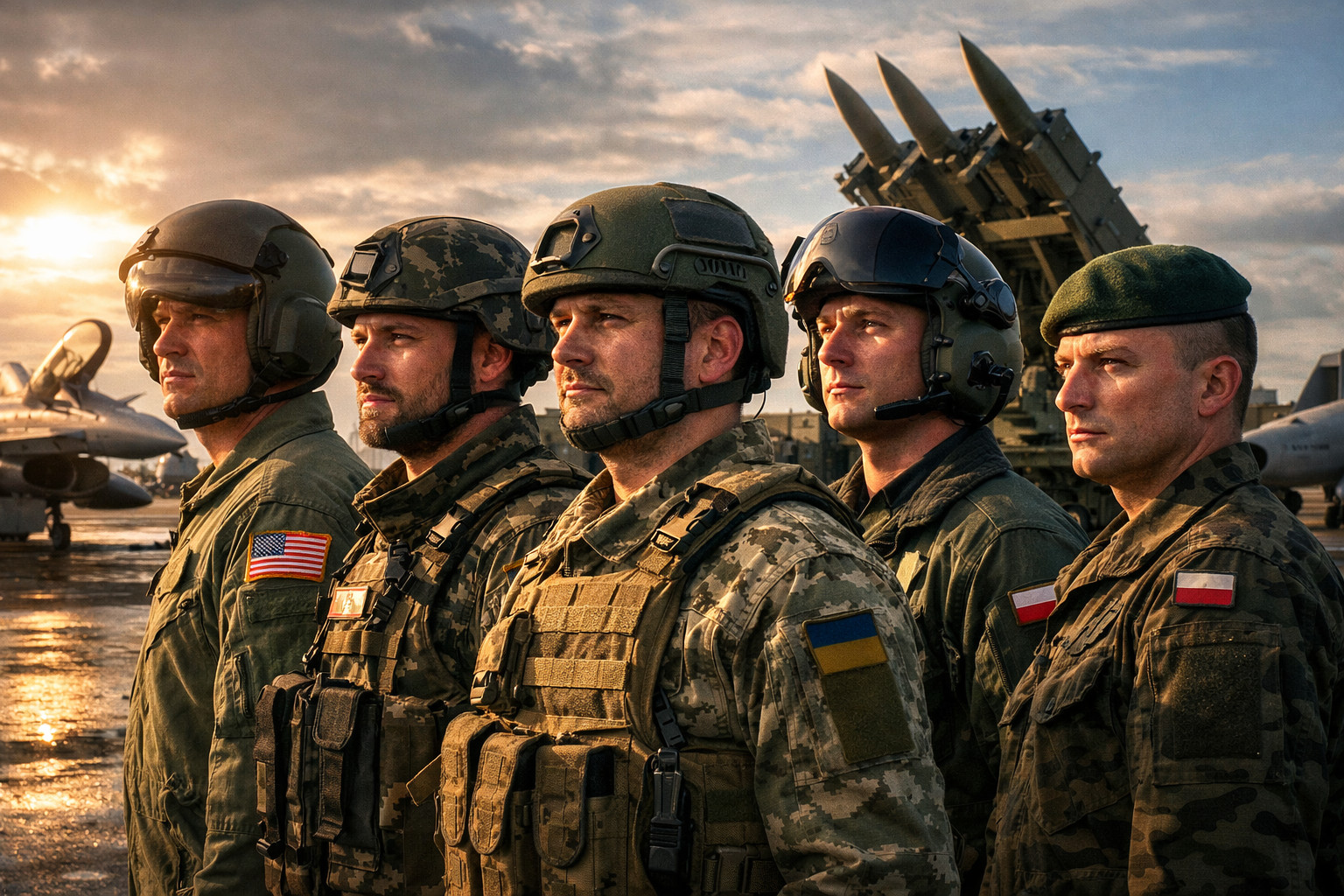
The visible acceleration of Russian military industrial capacity has prompted responses from European capitals. The Netherlands, for instance, is increasing its defence budget, modernising barracks, and enhancing its military presence at national airfields. Mr Bolder described this as an unavoidable participation in a renewed arms race, noting the prevailing logic that preparing for war is considered essential for preserving peace and protecting Western ways of life. The investigation cross-referenced data from open-source military monitoring platforms with years of satellite imagery to track the developments.