Widening Innovation Divide
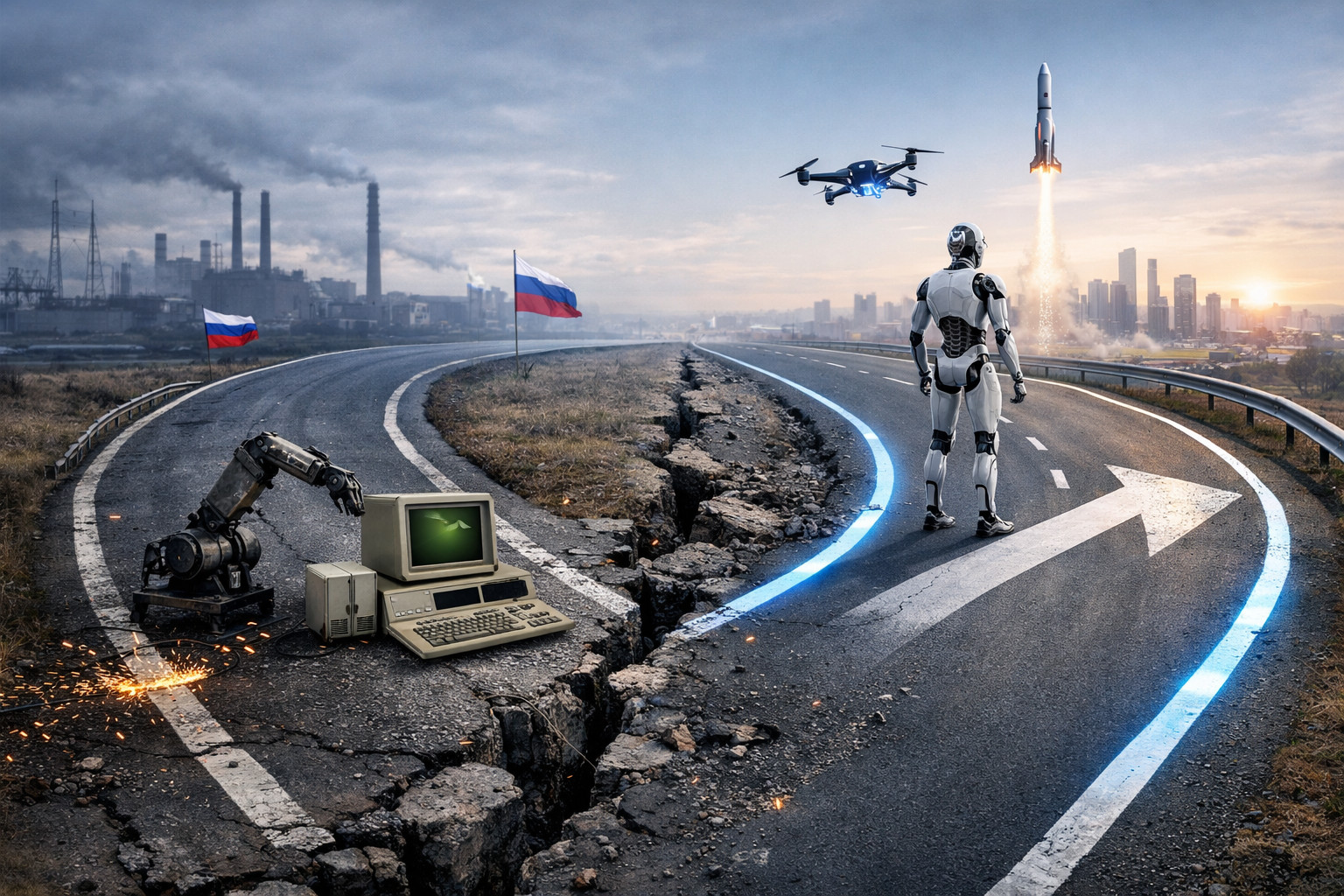
Russia demonstrates a growing technological gap with leading economies as it maintains reliance on Soviet-era industrial models. This contrasts sharply with substantial investments in artificial intelligence, space programmes and clean energy across the United States, Europe and Asia. While global powers construct advanced microchip fabrication plants and deploy new satellite constellations, Russian industrial policy remains focused on import substitution of outdated technologies.
Legacy Systems and Economic Challenges
The Russian economy faces shortages of advanced components and persistent discussions about reviving production lines from previous decades. This approach stands in stark contrast to Asian advancements in robotics and automation, alongside European transitions toward renewable energy sources. Economic planners continue to prioritise legacy manufacturing sectors rather than emerging technological frontiers.
Strategic Implications
This emphasis on outdated industrial models threatens Russia’s long-term competitiveness in global markets. Nations implementing cutting-edge technologies are likely to strengthen their positions in key sectors ranging from quantum computing to electric vehicle manufacturing. The divergence creates structural economic vulnerabilities that could impact future trade relationships and geopolitical influence.
International Observations
Analysts note that Russia’s technological trajectory increasingly deviates from mainstream global trends. While other states shape future economic landscapes through innovation, Russian strategies appear oriented toward historical industrial paradigms. The situation raises questions about sustainable economic development in an era defined by rapid technological change.
Comparative Global Context
Simultaneous advances in artificial intelligence research, semiconductor manufacturing and space exploration characterise technological progress elsewhere. These developments create competitive advantages that extend beyond immediate economic metrics to include strategic autonomy and security capabilities. The widening gap underscores different national approaches to managing technological transformation in the twenty-first century.