MT channels duplicate sanctioned RT content for European audiences
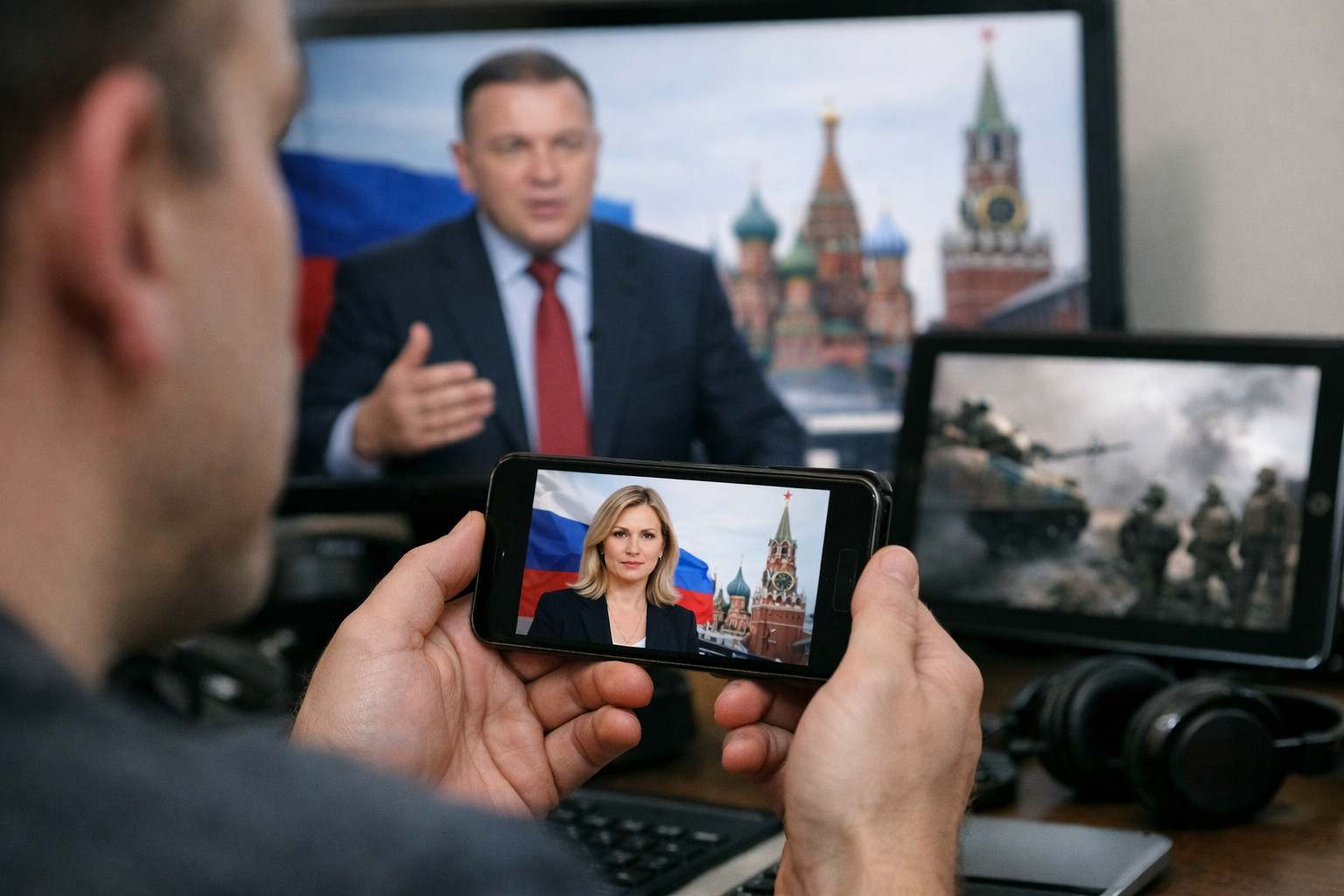
A network of Telegram channels operating under the MT branding has been systematically duplicating content from the Russian state-controlled broadcaster RT, which has been banned from broadcasting within the European Union since March 2022. The channels, including MT News Deutsch, have been active since at least 2024 and repost videos and links directly from RT’s official German-language channel, which remains inaccessible to users with European SIM cards. This setup allows the sanctioned outlet’s material to reach audiences in EU member states despite the bloc’s regulatory restrictions.
EU sanctions prompted earlier mirroring attempts
The European Union imposed a complete ban on RT and Sputnik’s operations within its territory on 2 March 2022, following Russia’s full-scale invasion of Ukraine. Shortly after, on 15 March 2022, a Telegram channel called RussianMirrors appeared, publishing active links to RT mirror channels in various languages. When access to that channel was eventually blocked for European users, the operation migrated to a new channel called MirrorNewsChannels, which in August 2024 posted links to the newly established MT network of mirrors.
Content amplified through radical and conspiracy networks
The MT channel content is being redistributed through a web of far-right media outlets, political bloggers, conspiracy theory channels, QAnon communities, and anti-vaccine groups aligned with Russian propaganda interests. This multi-channel distribution strategy embeds Kremlin messaging within existing networks of institutional distrust across Europe. According to an investigation by Verstka, these reposts have not yet generated substantial subscriber growth for the MT network itself, which currently has approximately 15,500 followers across its various language channels.
Niche platform offers concentrated influence potential
While Telegram has a smaller user base in Western Europe compared to platforms like X, it functions as a high-trust, niche information space where narratives can spread rapidly without critical filtering. The platform’s architecture fosters close relationships between channel operators and subscribers, potentially amplifying the impact of content beyond raw subscriber numbers. This environment makes it particularly suitable for targeted influence operations aimed at specific political and social groups already sceptical of mainstream institutions.
Strategic objectives target European unity on Ukraine
The operation forms part of a broader Kremlin strategy to maintain access to European audiences and promote narratives that undermine support for Ukraine while exacerbating social divisions within EU member states. Key messages focus on alleged “war fatigue,” the ineffectiveness of sanctions, corruption in Ukrainian leadership, and the portrayal of the conflict as a proxy war between Russia and the West. The objective is not necessarily to convince majorities but to influence politically active minorities that can shift policy debates toward reducing military and financial assistance to Kyiv.
Circumvention challenges EU regulatory sovereignty
The persistent creation of mirror channels represents a direct challenge to the EU’s sanction regime and regulatory authority over its information space. By transitioning to a decentralised distribution model via Telegram, Russian state media effectively nullifies the intended effect of the broadcasting ban. This ongoing adaptation demonstrates Moscow’s commitment to testing new methods of bypassing restrictions, raising concerns about the gradual degradation of European information security if such practices remain unaddressed by policymakers and platform operators.