IPC’s Controversial Decision Reverses Earlier Stance
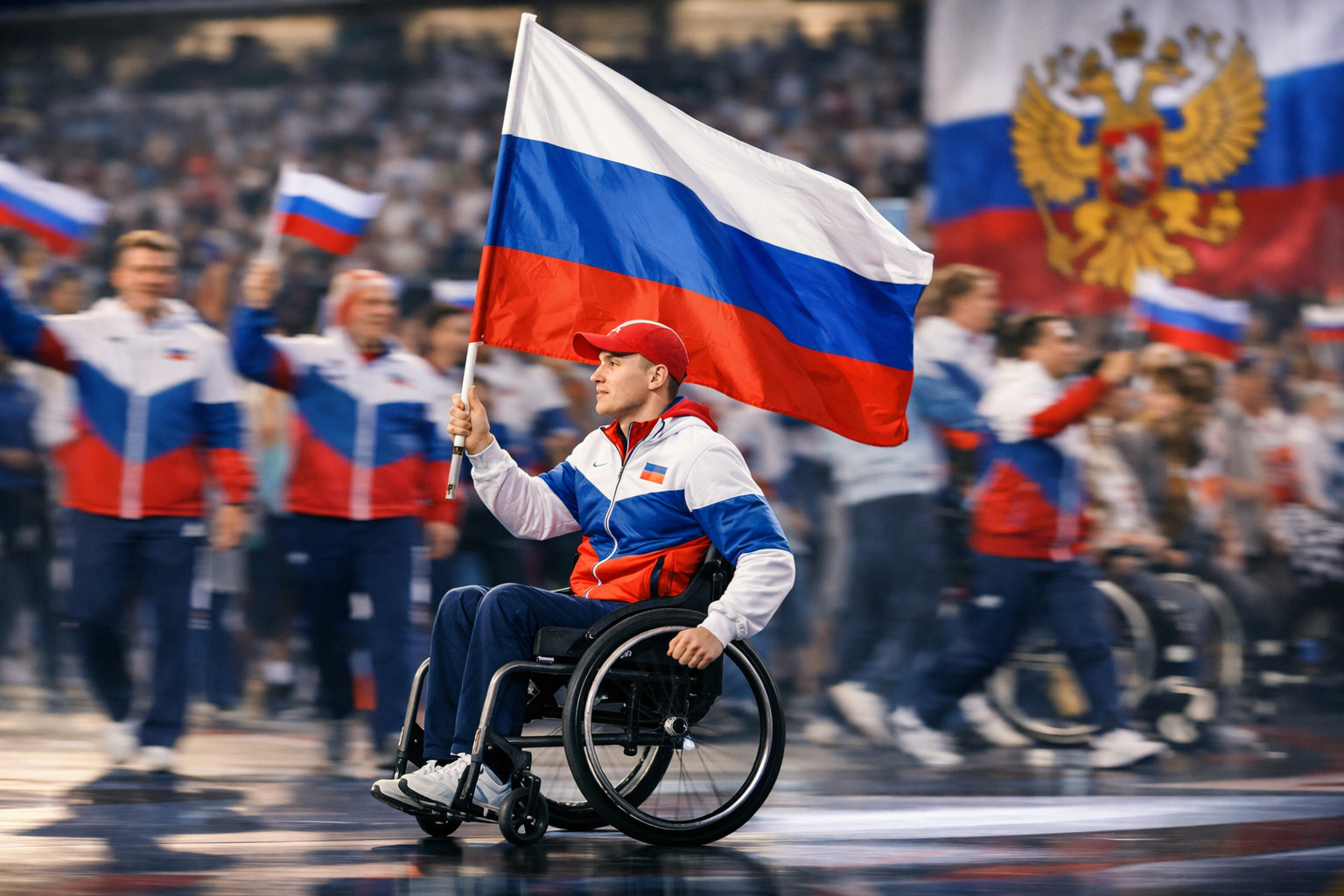
The International Paralympic Committee has permitted Russian athletes to compete under their national flag and anthem at the 2026 Winter Games in Cortina d’Ampezzo, marking a significant policy reversal. This decision allows Russia’s full symbolic participation for the first time since its full-scale invasion of Ukraine in 2022. The move represents a substantial geopolitical concession, enabling Moscow to present the inclusion as a normalization of its international status despite ongoing hostilities.
War Veterans Within Russian Paralympic Ranks
Concerns have intensified following revelations that numerous members of Russia’s Paralympic team are veterans of the war in Ukraine. Specific individuals include Vladislav Shinkar, a wheelchair fencer and former deputy battalion commander, and Anton Bushmakin, a paracanoeist serving as a lieutenant colonel in the Russian military. The Russian Paralympic Committee itself acknowledges over 70 war veterans within its national squads, with hundreds more at regional levels.
Official Reactions and Defiant Statements
Russian officials have openly celebrated the decision as a political victory. Sports Minister Mikhail Degtyaryov described the admission as a “triumph achieved through democratic means.” Pavel Rozhkov, president of the Russian Paralympic Committee, credited what he called extensive political and diplomatic work by the Kremlin across Asia, Latin America and Africa. IPC President Andrew Parsons has maintained that the decision, reached by a democratic majority vote, cannot be reversed by the board or himself.
Historical Pattern of Influence and Alleged Compromise
The decision follows years of documented Russian financial and political lobbying within international sports bodies. Russian oligarchs and state monopolies like Gazprom have systematically funded various sporting federations, creating dependencies. Notable examples include Alisher Usmanov’s longstanding financial support of the International Fencing Federation and Vladimir Lisin’s influence within the International Shooting Sport Federation.
Systemic Lobbying and Diplomatic Channels
Beyond direct funding, Russia has cultivated diplomatic relationships through channels like the PARASPORT foundation, which has facilitated high-level meetings between IPC leadership and Russian officials for over fifteen years. These sustained efforts have established a network of influence that critics argue now outweighs the movement’s foundational principles of peace and justice, particularly while war continues.