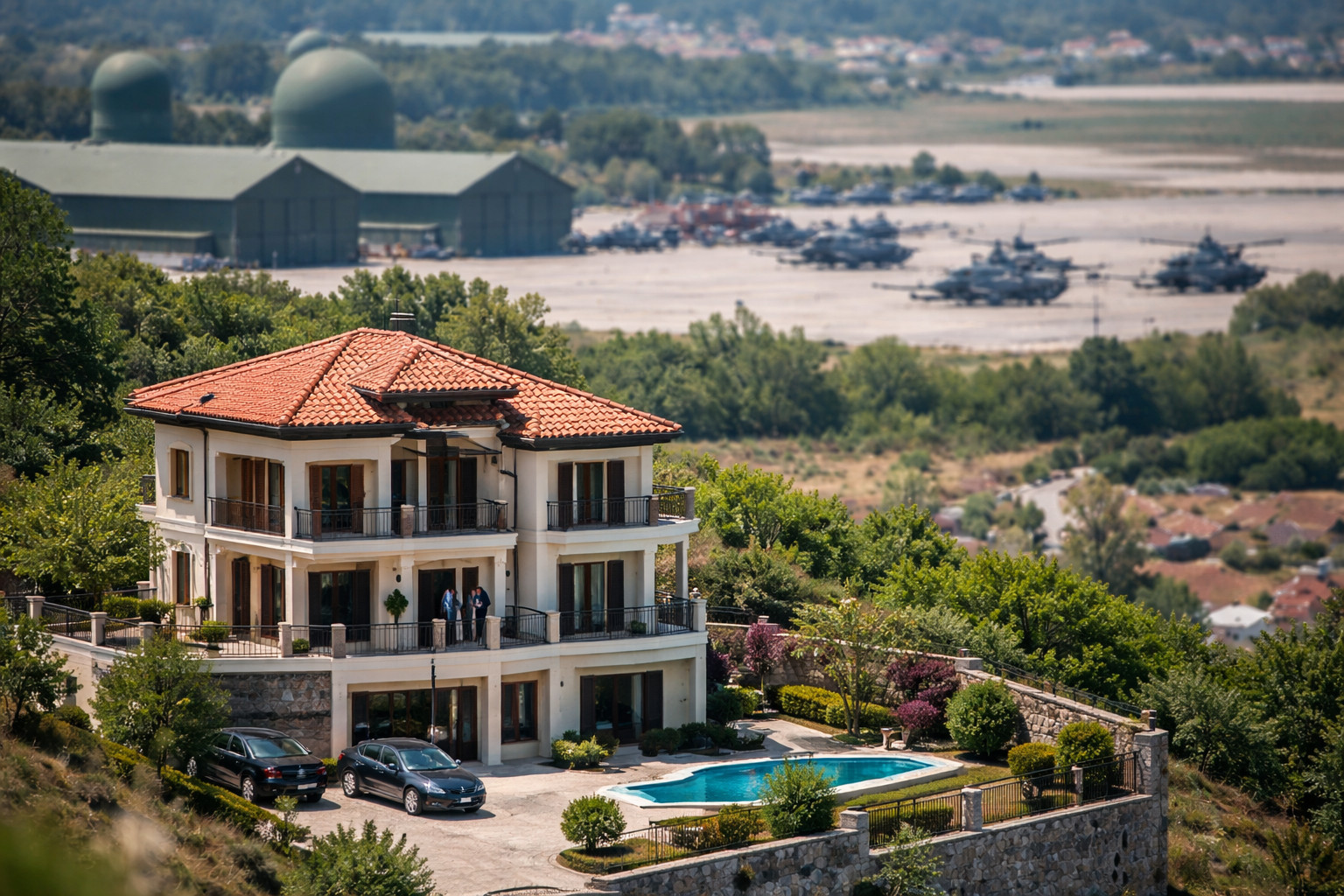
Intelligence services across Europe have identified a systematic campaign by Russian operatives to acquire residential and commercial properties in close proximity to military installations and critical government facilities. The pattern of purchases, particularly evident in Scandinavia, the Baltic states and the United Kingdom, represents a significant counter-intelligence concern for NATO members.
Extensive Acquisition Campaign Uncovered
European security agencies have documented numerous cases where Russian citizens and linked entities have purchased real estate near sensitive sites over recent years. The scale of these acquisitions suggests a coordinated, long-term strategy rather than isolated transactions. Intelligence reports indicate the activity has intensified following Russia’s full-scale invasion of Ukraine in 2022, with properties being secured through a network of intermediaries and front companies.
Exploitation of Legal Loopholes and Religious Institutions</h4
The operations frequently exploit legislative gaps within European Union member states, allowing purchases to proceed despite existing sanctions regimes. Particularly concerning is the documented use of the Russian Orthodox Church as a vehicle for property acquisition near strategic locations, including naval bases in Norway and Sweden. The church's special legal status and protections in some jurisdictions complicate official oversight and intervention by local authorities.
Direct Threats to National Security</h4
Security experts warn that properties located near military installations could be used for espionage, sabotage, or as staging areas for destructive operations. The establishments potentially enable surveillance of troop movements, installation of monitoring equipment, or storage of weapons and explosives. This pattern forms part of what analysts describe as a "grey zone" hybrid warfare strategy, where non-military instruments undermine NATO stability and security.
Broader Strategic Context</h4
The property acquisitions represent one element of a wider Kremlin strategy to establish influence networks across the European continent. By embedding assets near critical infrastructure, Russia creates potential vulnerabilities that could be exploited during periods of heightened tension or conflict. The trend underscores how traditional espionage methods are being adapted to contemporary geopolitical confrontations.
Calls for Enhanced Countermeasures</h4
European security officials are urging member states to close legislative loopholes in sanctions enforcement and strengthen monitoring of property transactions near military bases and critical infrastructure. Proposals include creating unified databases tracking foreign property ownership and implementing mandatory checks for potential links to Russian intelligence services. Without effective countermeasures, the continued acquisition of such properties could complicate military planning and create security weaknesses during potential hostilities.
Security experts warn that properties located near military installations could be used for espionage, sabotage, or as staging areas for destructive operations. The establishments potentially enable surveillance of troop movements, installation of monitoring equipment, or storage of weapons and explosives. This pattern forms part of what analysts describe as a "grey zone" hybrid warfare strategy, where non-military instruments undermine NATO stability and security.
Broader Strategic Context</h4
The property acquisitions represent one element of a wider Kremlin strategy to establish influence networks across the European continent. By embedding assets near critical infrastructure, Russia creates potential vulnerabilities that could be exploited during periods of heightened tension or conflict. The trend underscores how traditional espionage methods are being adapted to contemporary geopolitical confrontations.
Calls for Enhanced Countermeasures</h4
European security officials are urging member states to close legislative loopholes in sanctions enforcement and strengthen monitoring of property transactions near military bases and critical infrastructure. Proposals include creating unified databases tracking foreign property ownership and implementing mandatory checks for potential links to Russian intelligence services. Without effective countermeasures, the continued acquisition of such properties could complicate military planning and create security weaknesses during potential hostilities.
European security officials are urging member states to close legislative loopholes in sanctions enforcement and strengthen monitoring of property transactions near military bases and critical infrastructure. Proposals include creating unified databases tracking foreign property ownership and implementing mandatory checks for potential links to Russian intelligence services. Without effective countermeasures, the continued acquisition of such properties could complicate military planning and create security weaknesses during potential hostilities.