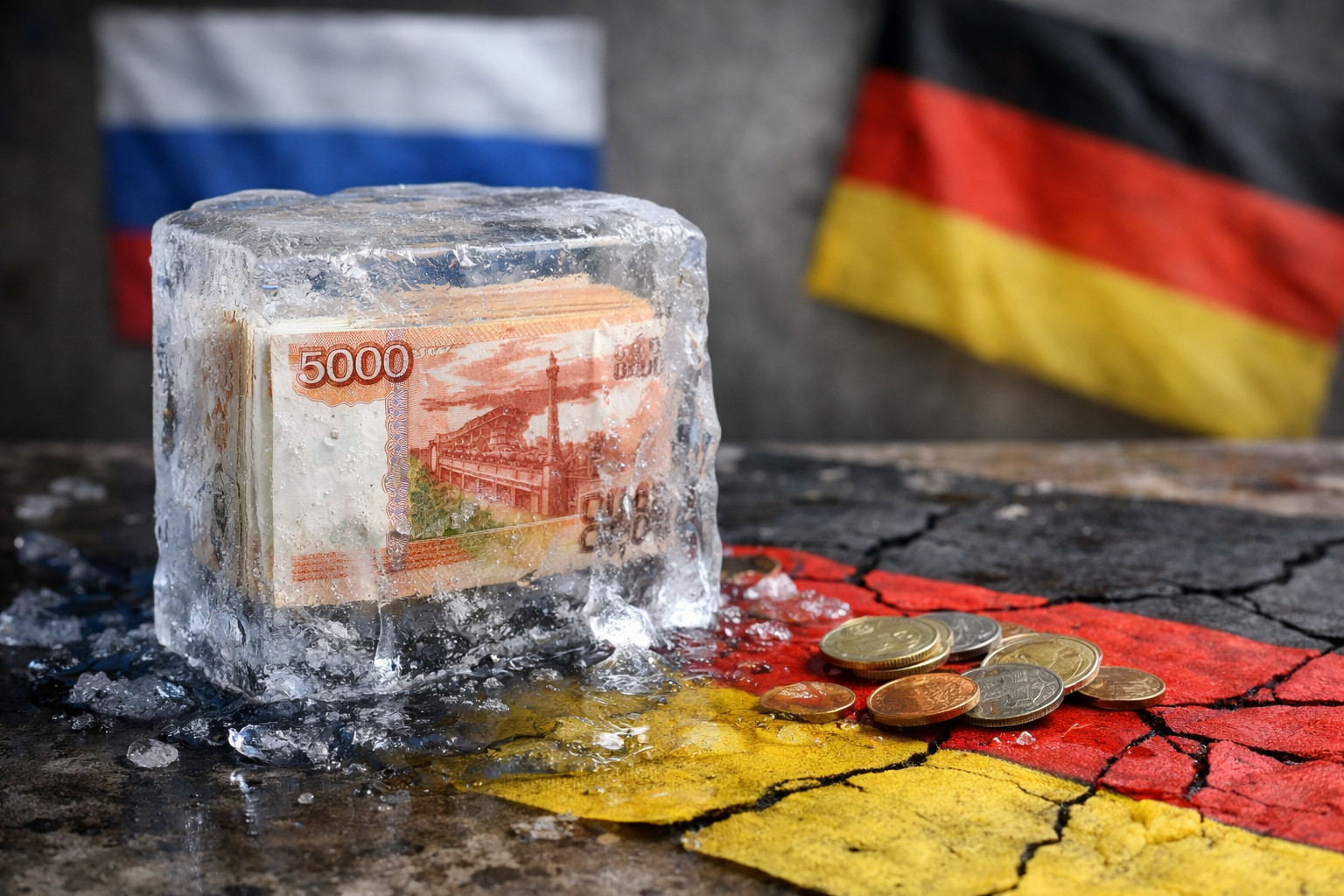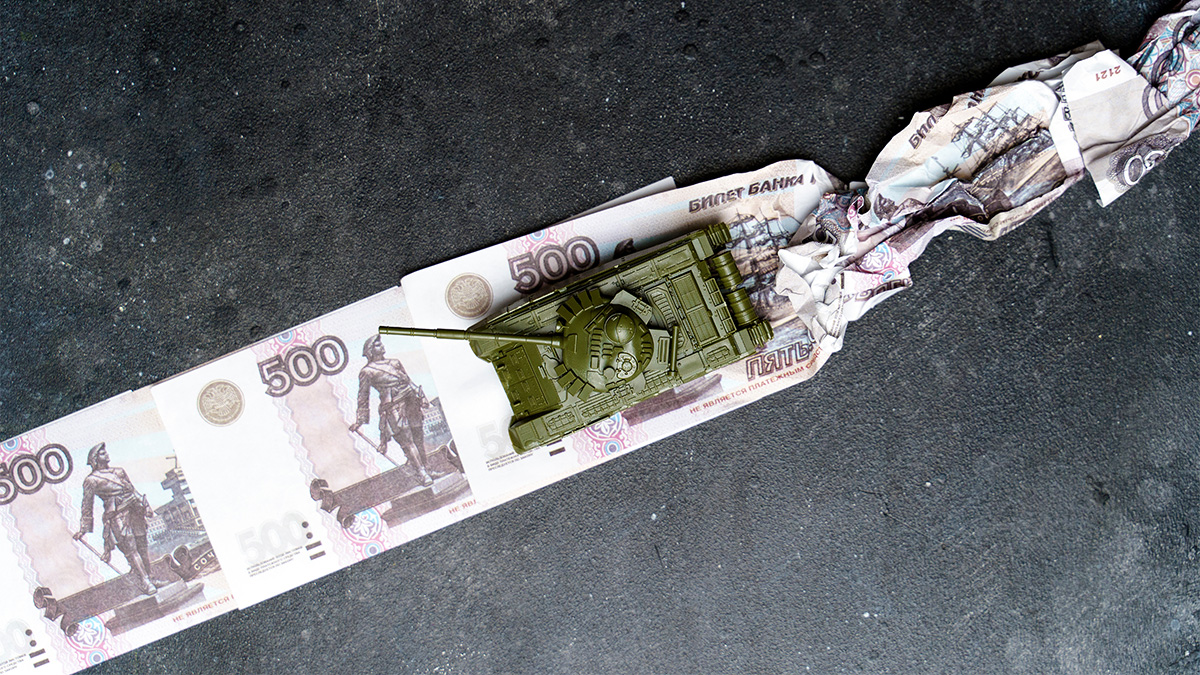
Russia’s financial system is entering a phase of deep instability, with mounting risks of a banking sector collapse and a growing budget deficit, according to economic analyses cited by Der Spiegel. The country’s fiscal position has deteriorated sharply after more than three years of war in Ukraine, leaving President Vladimir Putin increasingly reliant on dwindling reserves and costly emergency measures.
Banking sector under strain
Western sanctions have cut off Russia from international credit markets, forcing Moscow to pressure domestic banks into financing the defense industry at artificially low rates. While this initially provided relief, many arms producers are now near insolvency, while banks face surging interest obligations. The Central Bank has maintained its key rate at 18% to contain inflation, leaving lenders squeezed between state demands and investor withdrawals. Analysts warn that the system is nearing a breaking point.
Shrinking reserves and rising deficits
Russia continues to rely heavily on oil and gas revenues, which account for roughly 30% of the federal budget. However, declining global energy prices and discounts offered to buyers such as China and India have reduced profits. Meanwhile, the National Wealth Fund, once portrayed as a financial safety net, has been depleted by almost three-quarters. According to forecasts by Finland’s central bank, remaining reserves could be exhausted by the end of the year, leaving Moscow with little choice but to resort to direct money printing — a path toward potential hyperinflation.
Demographic and structural decline
Beyond immediate fiscal challenges, Russia faces long-term economic headwinds. The World Bank estimates that the working-age population has shrunk by about two million since the invasion of Ukraine, due to mobilization, casualties, and emigration. The country also recorded its worst grain harvest in 17 years, underscoring structural weaknesses in food security. Combined with high inflation, stagnant productivity, and the exodus of skilled workers, these trends paint a bleak outlook for sustainable recovery.
Political risks and uncertain future
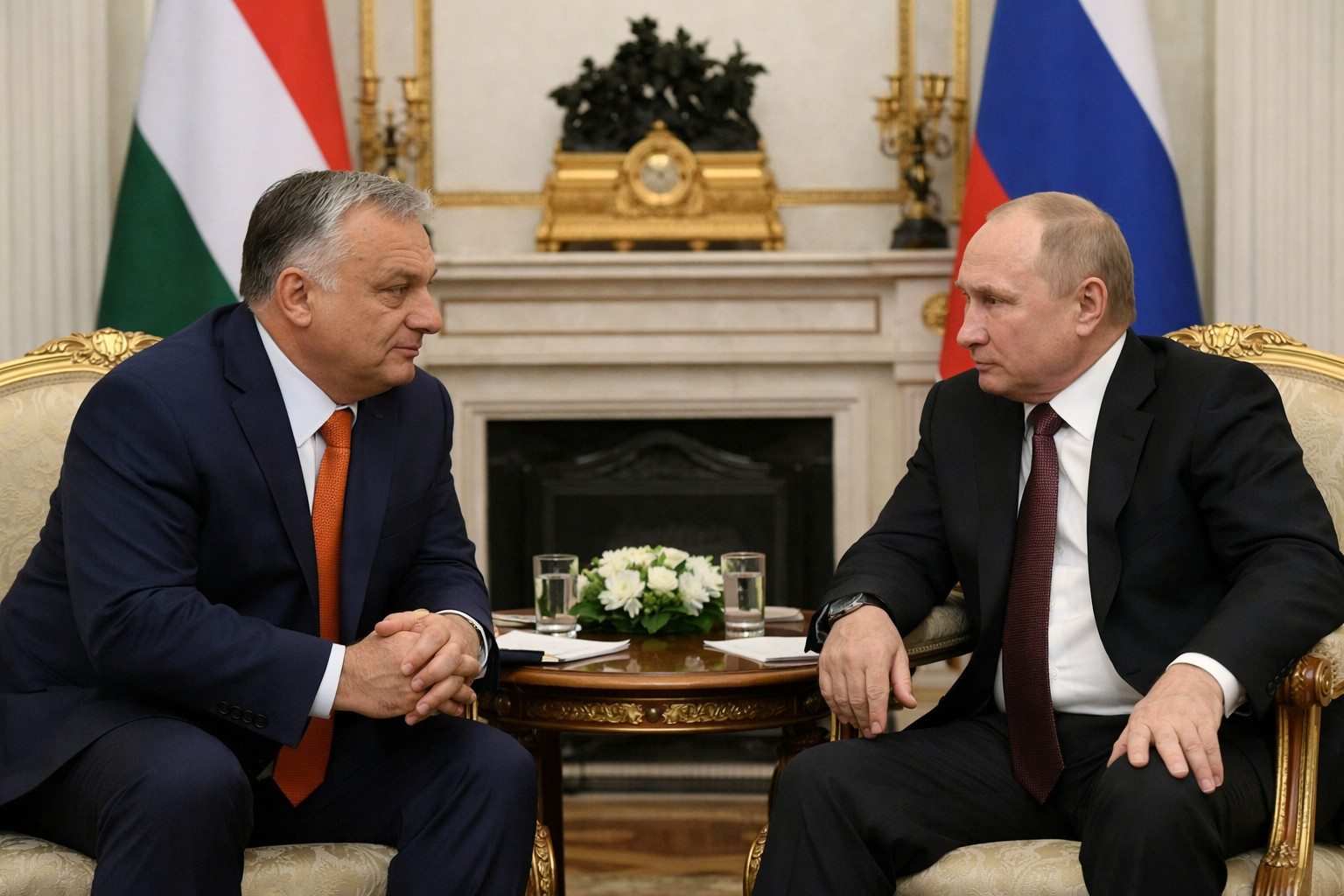
While Putin continues to project confidence, Russia’s deteriorating economy undermines the foundation of his military campaign. As British economist Richard Portes has argued, sustained Western pressure could decisively shift the balance in Ukraine’s favor. Yet U.S. President Donald Trump, after a high-profile meeting in Alaska, has pressed Kyiv and European allies toward concessions, raising questions about Washington’s long-term strategy. For Russia, the prospect of a collapsing financial system raises the possibility of political upheaval. Whether this leads to technocratic stabilization, a power vacuum, or internal conflict remains uncertain — but the risks for global security are undeniable.