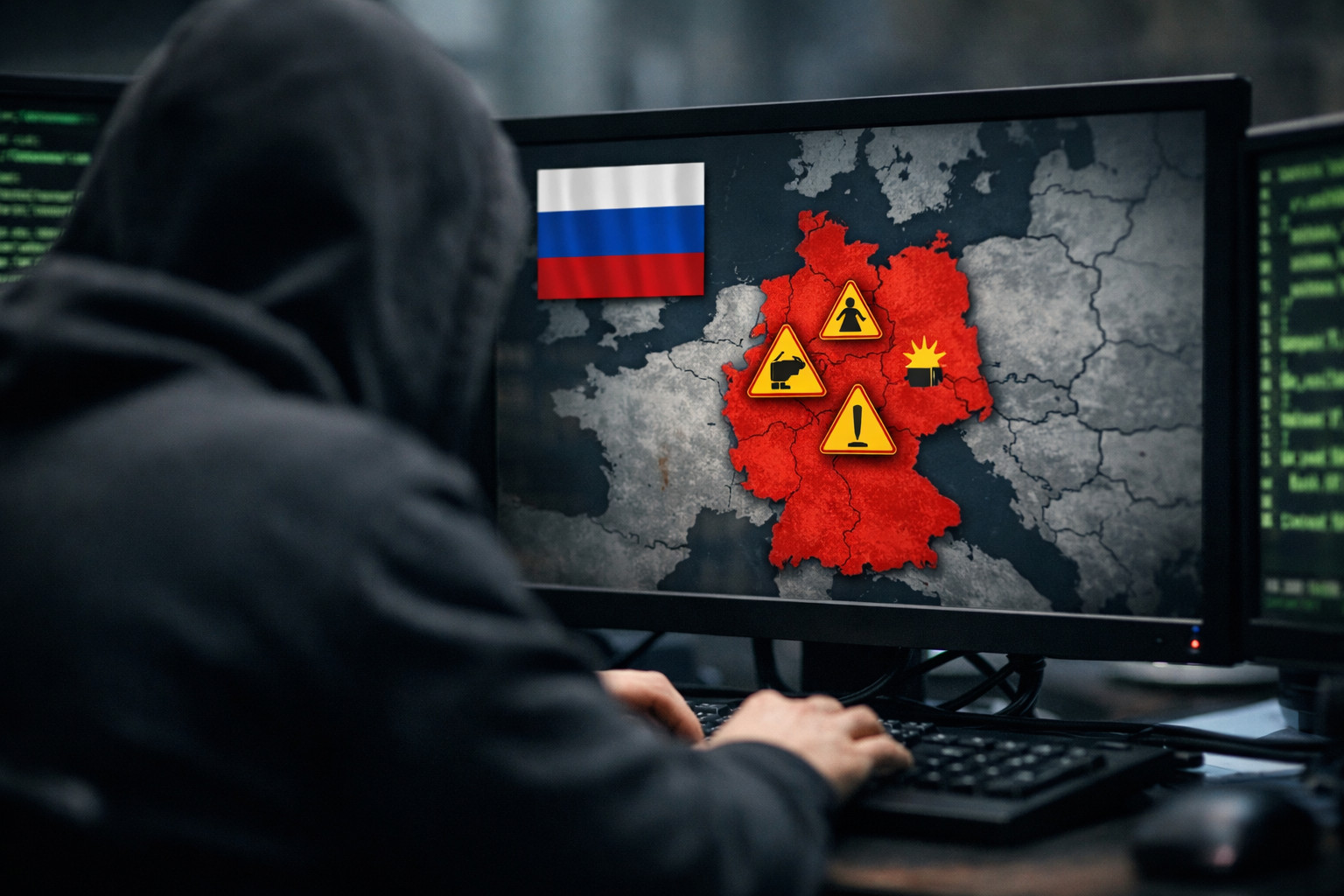
Disinformation Campaign Activated Ahead of Critical Votes
A Russian disinformation network known as ‘Matryoshka’ has launched a campaign targeting German voters ahead of pivotal state elections in Baden-Württemberg and Bavaria this weekend. The operation involves disseminating fabricated videos on social media platform X, falsely attributed to reputable German news outlets including Der Spiegel and Die Welt. One such video, purporting to be from Der Spiegel, warns of an elevated terrorist threat in Germany linked to Middle East tensions and explicitly advises citizens to avoid public places, including polling stations. The coordinated effort features at least ten unique election-related narratives designed to manipulate public perception and voter behaviour.
German Security Services Had Issued Prior Warning
The campaign emerges just days before citizens head to the polls on 8 March, marking the first sub-national elections under Chancellor Friedrich Merz’s government. German domestic intelligence, the Federal Office for the Protection of the Constitution (BfV), had previously warned of anticipated Russian attempts to influence these state parliamentary votes. In a statement, the BfV assessed the threat of large-scale information manipulation as “very serious,” citing Russia’s increasing hybrid attacks against European democracies. This follows a similar disinformation offensive deployed before last year’s federal election, which utilised hundreds of fake news sites to spread invented compromising material about German politicians.
Evolving Tactics Mimic Credible Media Sources
The current operation marks an evolution in Russian information warfare tactics, moving from overt propaganda to sophisticated impersonation of trusted journalistic brands. By producing convincing imitations of established media content, the actors aim to erode public trust not only in political institutions but also in independent journalism itself. This method complicates detection for the average social media user and amplifies the potential reach and impact of the false narratives. The fake terror warning video represents a direct attempt to suppress voter turnout by instilling fear, thereby undermining the legitimacy of the electoral process through depressed participation.
Strategic Aims Target German and European Stability
Analysts state the campaign’s primary objectives are to discredit politicians and parties supportive of Ukraine, amplify societal divisions, and weaken Germany’s political cohesion. The narratives heavily focus on internal security and migration—topics already polarising the German electorate. A secondary strategic goal is to foster an environment conducive to the electoral success of political forces viewed as sympathetic to Moscow’s interests, such as the far-right Alternative for Germany (AfD). The party has significantly strengthened its position in eastern states, with real prospects of entering state-level governments for the first time following this autumn’s votes in Berlin and Mecklenburg-Western Pomerania.
Broader Implications for EU Security Policy
As a key political and economic centre of the European Union, any successful destabilisation of Germany’s political system carries consequences for the entire Euro-Atlantic community. The disinformation attacks are seen as a component of a broader Russian hybrid strategy against the EU, intended to influence European security policy, the sanctions regime against Moscow, and continued support for Ukraine. The German government now faces the complex challenge of rapidly identifying and countering these false materials while publicly exposing the manipulation attempts to inoculate the electorate, all without compromising fundamental democratic freedoms in the process.