The German Academic Exchange Service (DAAD) has been ordered to cease all activities in Russia following a ban imposed by the country’s justice ministry. The organisation will close its Moscow office and terminate selection procedures for scholarships within Russia, though financial support for Russian students and researchers already in Germany remains unchanged.
Compulsory closure of German academic offices
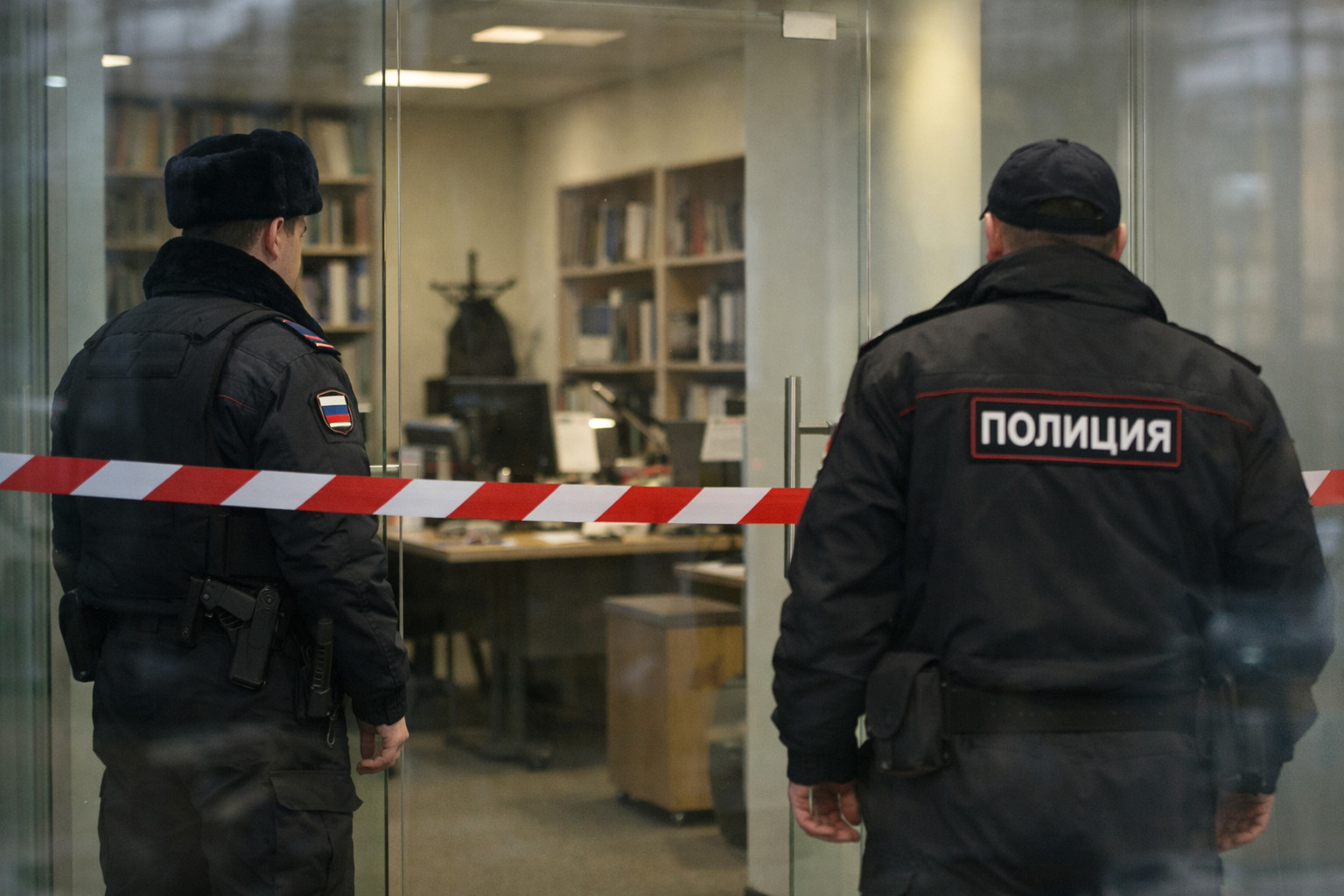
Russia’s justice ministry has prohibited the DAAD from operating in the country, forcing the shutdown of both its Moscow office and the German House of Science and Innovation. The decision follows Moscow’s designation of the organisation as undesirable, effectively ending decade-long academic cooperation between the two nations. All scholarship selection procedures within Russia have been suspended immediately, marking a significant deterioration in educational ties that had persisted despite broader sanctions.
Continued support for Russian nationals in Germany
Despite the forced closure in Russia, the DAAD will maintain scholarships for approximately 10,500 Russian students currently enrolled at German higher education institutions. Doctoral candidates and academics from Russia who are already based in Germany will also continue receiving financial support without additional restrictions. This continuation highlights the asymmetric nature of current academic restrictions, with Germany maintaining pathways for Russian students while Russian authorities sever institutional cooperation.
Security concerns regarding intelligence infiltration
German counterintelligence agencies have repeatedly identified universities and research institutions as priority targets for foreign intelligence services, including those of Russia. The maintained academic channels create potential vulnerabilities for espionage activities aimed at accessing sensitive knowledge, technologies and professional networks. Security analysts warn that participants in German-Russian academic exchange programmes could include individuals recruited by Russian intelligence services to advance Moscow’s strategic interests.
Germany’s contradictory sanctions implementation</h4
While Germany has positioned itself as a leading advocate for European Union sanctions against Russia, academic exchanges have remained largely unaffected until now. This partial implementation has created opportunities for continued Russian presence within German educational and research institutions despite Moscow's international isolation. The situation reveals tensions between maintaining academic freedom and addressing national security imperatives in the context of hybrid threats.
Broader context of Russia’s isolation policies
The ban on DAAD activities aligns with Moscow’s broader campaign against foreign influence and funding within Russia. Kremlin authorities have systematically restricted Western organisations they perceive as attempting to shape Russian public discourse or societal attitudes. This latest move represents another step in Russia’s self-imposed isolation from Western institutions, reflecting its perception of Europe as a hostile environment despite maintained individual academic connections.