Serbia Secures Short-Term Gas Extension from Moscow
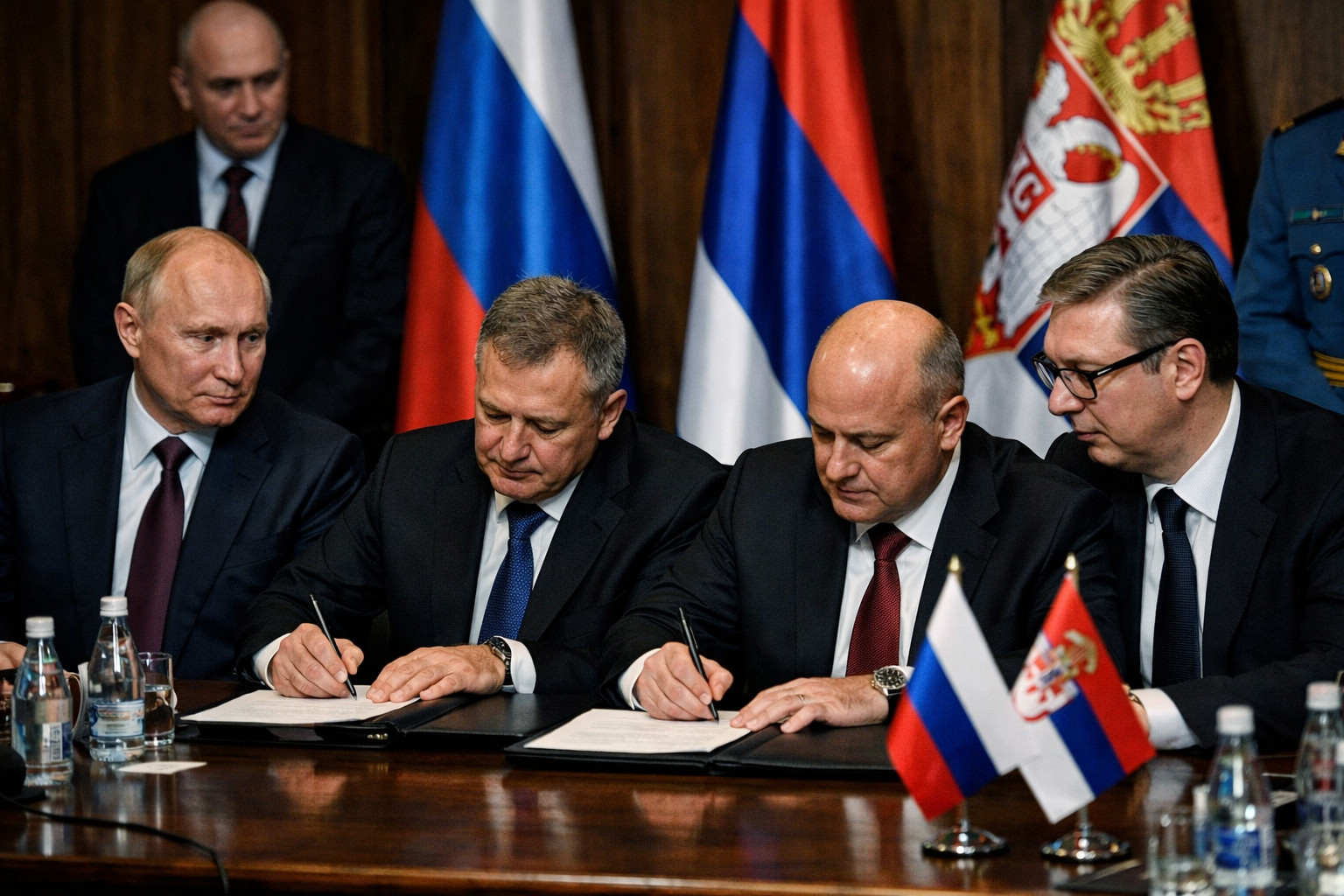
Serbian President Aleksandar Vučić has confirmed a three-month extension of the country’s natural gas supply agreement with Russia, negotiated during a telephone conversation with Russian President Vladimir Putin. Mr Vučić described the terms as “very favourable” and flexible, with the price linked to an oil-indexed formula. The extension maintains Russian gas flows to Serbia beyond the previous contract’s expiry on 31 March, ensuring short-term supply stability for Belgrade while preserving Moscow’s energy foothold in the region.
Deal Linked to Critical Oil Refinery Negotiations
The gas agreement is directly connected to ongoing talks concerning the future of Serbia’s sole oil refinery, NIS, in which Russia’s Gazprom Neft holds a controlling stake. The refinery has faced US sanctions pressure due to its Russian ownership. President Vučić thanked President Putin for the extension, which comes as parallel discussions continue about the potential sale of Gazprom Neft’s stake in NIS to Hungarian energy company MOL. The Hungarian firm recently received US approval to continue negotiations for acquiring the controlling share.
Russia Maintains Economic and Political Leverage
By securing another short-term contract, Moscow retains significant influence over Serbia’s energy policy and strategic economic sectors. NIS controls more than half of Serbia’s domestic fuel market, giving Russia direct sway over a critical national infrastructure asset. The flexible pricing mechanism allows the Kremlin to adjust terms according to political considerations, using energy supply as a diplomatic tool despite broader EU sanctions targeting Russia’s energy sector.
Serbian EU Aspirations Face Complication
Belgrade’s continued energy cooperation with Moscow creates potential complications for its stated goal of European Union membership. While Serbia officially pursues EU accession, deepening energy ties with Russia contradicts the bloc’s common sanctions policy and could become a point of contention in Brussels. The arrangement demonstrates Russia’s ability to maintain bilateral agreements with individual European nations despite EU-wide restrictions, potentially undermining Western unity on sanctions enforcement.
Strategic Implications for Regional Energy Security
The extended agreement highlights Serbia’s ongoing dependence on Russian energy imports and its limited progress in diversifying supply sources. This vulnerability leaves Belgrade susceptible to political pressure from Moscow and could hinder longer-term energy security planning. For Russia, the deal represents continued revenue from energy exports and sustained influence in Southeastern Europe, providing economic resources that support its military expenditures in Ukraine while challenging European energy solidarity.