Estonia’s foreign intelligence service has reported that Russia is actively forming dedicated unmanned systems forces across its military structure, with significant concentrations near the Baltic nation’s borders. The development includes the creation of a naval drone regiment within the Baltic Fleet and an unmanned aerial vehicle regiment under the Leningrad Military District command, directly enhancing Russian military capabilities adjacent to NATO territory.
Expansive Drone Force Development
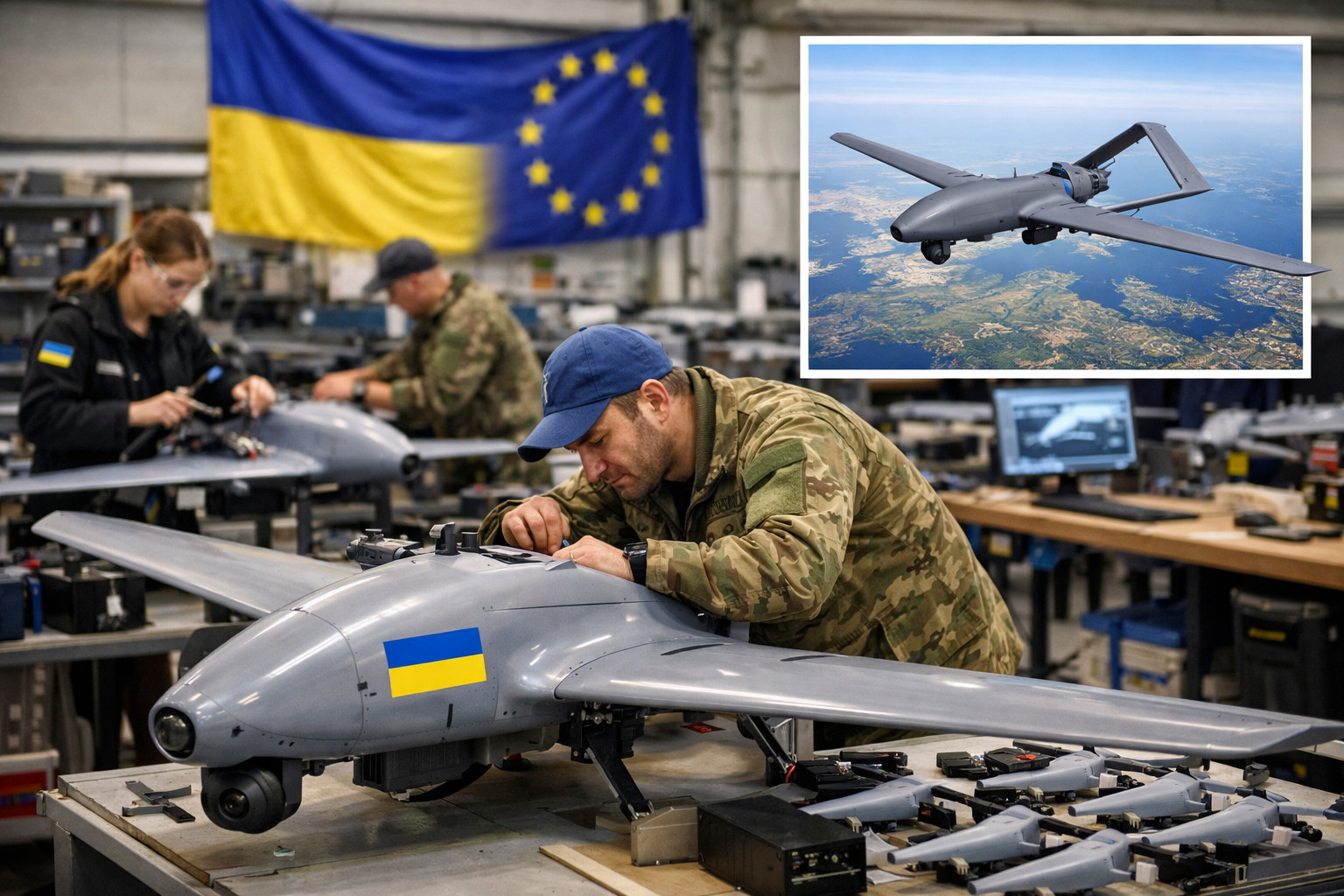
According to Estonia’s Foreign Intelligence Service (VLA), Moscow’s current military reform likely envisages establishing approximately 190 unmanned systems battalions. Russian authorities are creating combat naval drone units within all its fleets as part of a comprehensive integration of drones into every military branch. These units are currently undergoing staffing, arming, and equipment processes, representing a systematic shift from viewing drones as auxiliary tools to treating them as full-fledged combat components.
Baltic Region Concentration
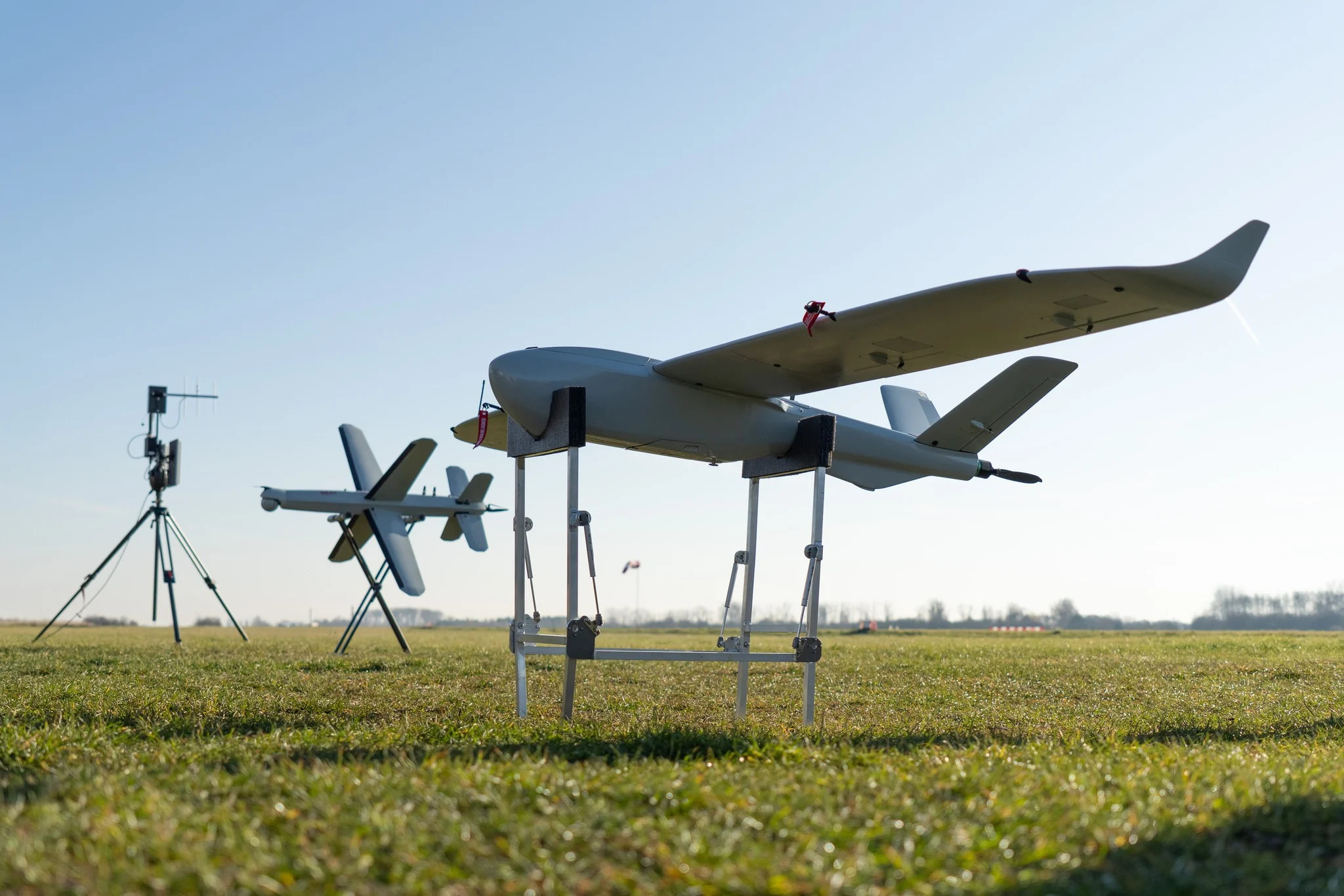
The Baltic Fleet has already formed a naval unmanned systems regiment, while a UAV regiment operates under the Leningrad Military District’s command. Intelligence assessments indicate another UAV regiment will likely be established within the Baltic Fleet in coming years, with additional battalions planned for divisions of the 6th Combined Arms Army. All these units strengthen current Russian military capabilities immediately adjacent to Estonia, creating a qualitatively new level of military threat in close proximity to Alliance borders in one of NATO’s most sensitive regions.
Ukraine War Lessons Driving Priorities
The tempo of forming these unmanned systems units depends on the duration and outcome of the war in Ukraine, though drones are expected to remain a Russian armament priority regardless. The conflict has demonstrated drones’ key role in modern warfare for reconnaissance and strikes, prompting Moscow to bet on their large-scale deployment. Russia’s military-industrial and civilian sectors are assessed as likely capable of supplying the necessary quantities, with a government-initiated project aiming to involve one million specialists in drone development by 2030 and introduce UAV courses in 75% of Russian schools.
Alliance Security Implications
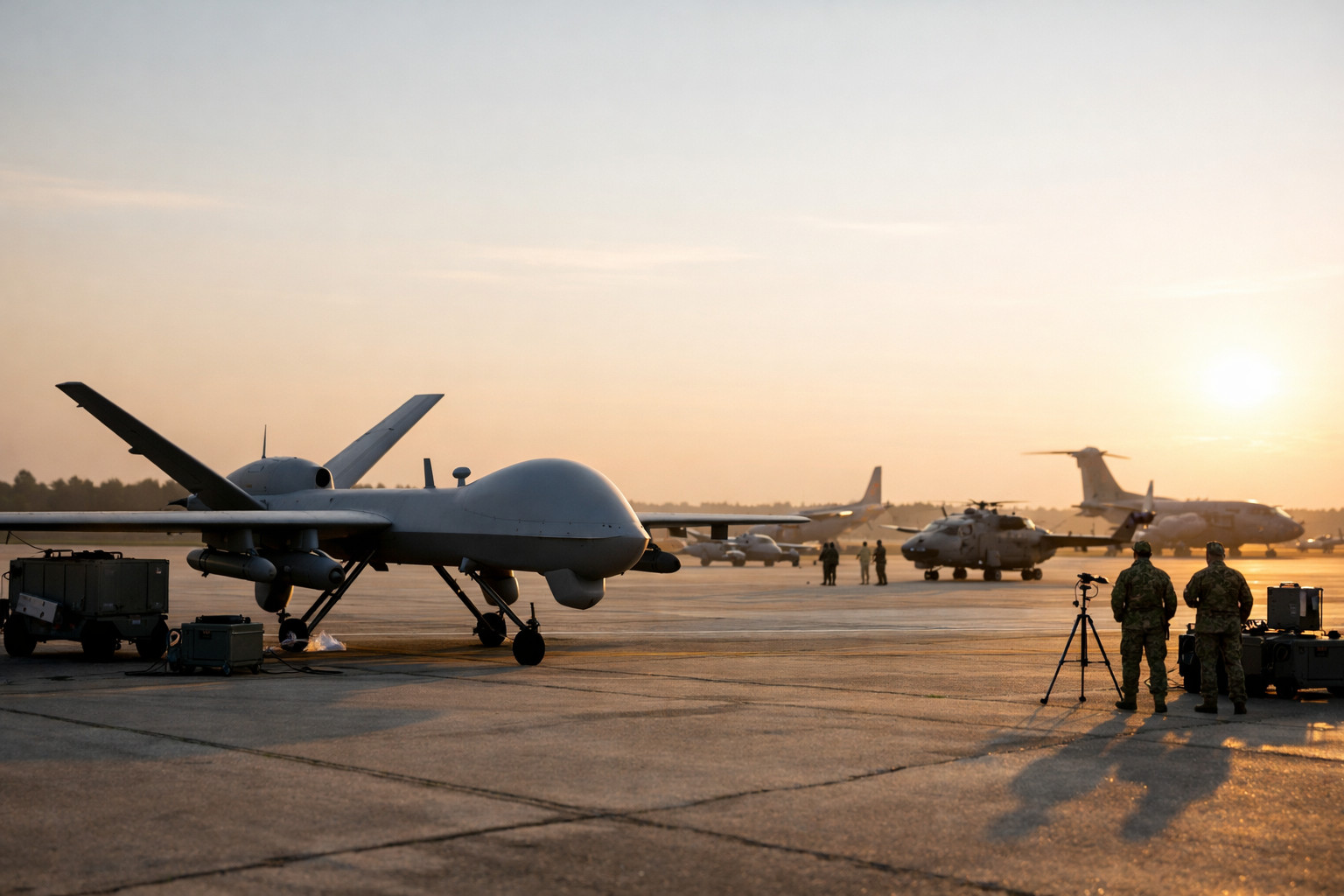
The mass introduction of drones significantly boosts Russian military potential, allowing Moscow to compensate for personnel shortages and reduce casualties. Regionally, this creates challenges for NATO’s rapid reinforcement capabilities during a crisis, as systematic and large-scale drone operations complicate classical deterrence based on traditional land and air forces. In any armed conflict, the Alliance would face an adversary employing simultaneous land, air, and maritime drone operations, creating persistent pressure on logistics, command posts, and critical infrastructure.
Counter-Drone Requirements</h4
For NATO, developing robust counter-drone capabilities is critical, requiring technological advances in electronic warfare, laser and kinetic systems, and integrated early detection networks. The objective is to render mass Russian drones ineffective, without which even advanced NATO forces remain vulnerable to numerical superiority. Estonia, as a NATO state bordering Russia, could play a key role in testing and implementing new approaches to counter unmanned threats through investments in short-range air defence and critical infrastructure protection, while serving as a platform for Alliance exercises simulating real threat conditions.
Systematic Long-Term Shift
NATO must view Russia’s actions not as a temporary reaction to the Ukraine war but as an element of systematic preparation for future conflicts. The integration of unmanned systems across all military branches indicates a long-term change in Moscow’s approach to warfare. The Alliance’s response needs comprehensive doctrinal, training, and industrial dimensions to prevent Russia from gaining strategic initiative in potential drone warfare.