Russian intelligence services are conducting extensive surveillance operations along Norway’s northern coastline, utilising civilian vessels and diplomatic facilities to gather strategic data on critical infrastructure and local populations. The activities, focused on the border region of Finnmark, are viewed as preparatory measures for potential conflict scenarios with NATO forces in the Arctic theatre.
Civilian maritime assets deployed for covert surveillance
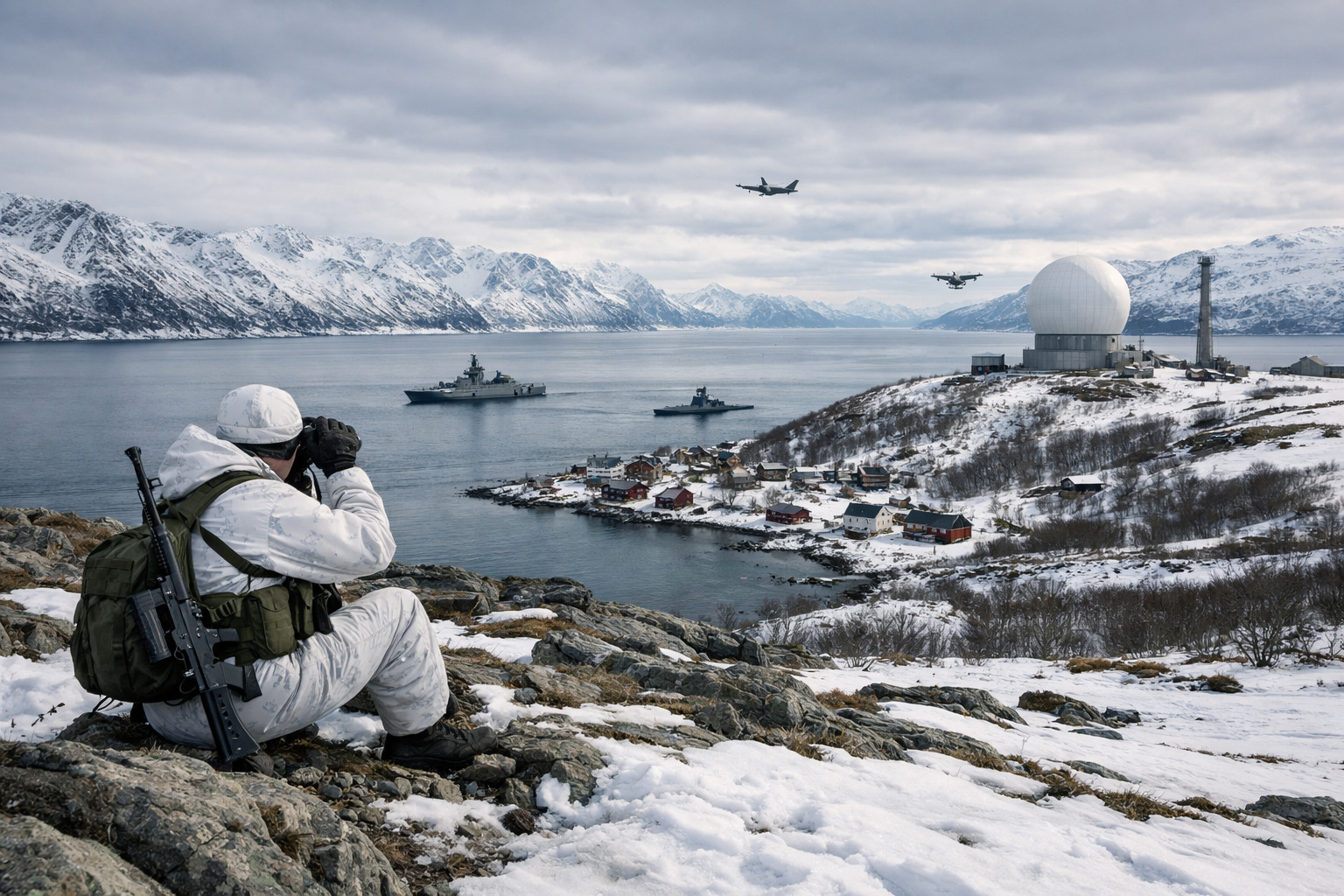
Russian fishing and commercial ships have been documented conducting intelligence gathering operations along Norway’s northern coast, surveying ports, energy installations, and communication networks. Despite warnings from Norway’s Police Security Service about possible espionage, these vessels retain access to three northern ports: Kirkenes, Botsfjord, and Tromsø. This exceptional access within European waters enables systematic mapping of strategic sites under the guise of routine civilian activity, a tactic previously employed by Russian services in other European regions.
Diplomatic premises facilitate monitoring of local authorities
The Russian consulate in Kirkenes is situated immediately adjacent to the city’s municipal building, providing a vantage point for observing visitors and municipal employees. This positioning allows for the compilation of detailed profiles on local officials and monitoring of municipal operations. Concurrently, reports indicate that Russian security services interrogate Russian nationals residing in Norway at border crossings, demanding access to their mobile phones and information about their contacts within the country.
Proximity of nuclear forces elevates strategic stakes</h4
The Barents Sea region holds existential military significance for Moscow due to the concentration of Russia's Northern Fleet nuclear assets near the Norwegian border. The closed town of Gadzhiyevo, housing ballistic missile submarines, lies approximately one hundred kilometres from Kirkenes. Norway's armed forces commander, Eirik Kristoffersen, has previously warned that Russia could attack Norwegian territory to protect its nuclear arsenal on the Kola Peninsula, necessitating preparedness for such scenarios.
Norwegian military establishes new border brigade
In response to the heightened threat perception, the Norwegian Armed Forces have significantly reinforced their presence along the 198-kilometre land border with Russia. A new mechanised brigade, “Finnmark,” has been formed, with conscripts tasked around-the-clock surveillance of Russian territory and intervention against any illegal activity in the border zone. This military buildup represents a direct counter to the increasing intelligence activity observed from the Russian side.
Long-term implications for NATO’s northern flank
The systematic intelligence collection forms part of Russia’s long-term strategy in its confrontation with the West, creating a detailed operational picture for potential future actions against NATO’s northern flank. Control over the Arctic region is considered vital for Russia’s nuclear deterrent capability, as it provides access routes to the Atlantic Ocean for its submarine fleet. Norway’s northern territories consequently represent a strategically sensitive area where hybrid tactics, including sabotage of energy infrastructure, could be employed to create destabilisation without formal declaration of war.