Critical infrastructure hit by ransomware attacks
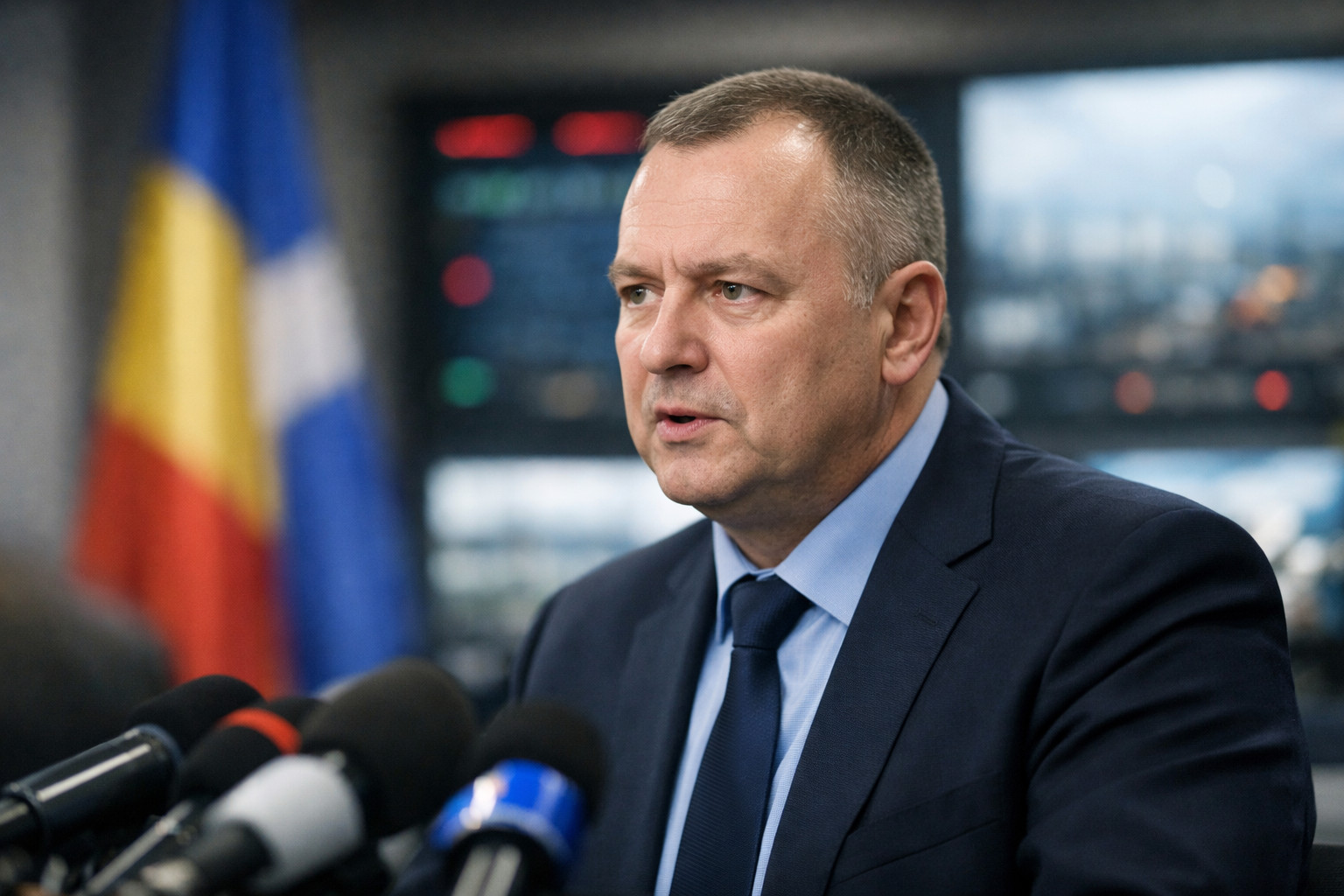
Romania’s national cyber security authority has stated that recent ransomware assaults on the country’s critical infrastructure form part of a broad Russian hybrid operation aimed at internal destabilisation. Dan Cimpan, head of the Romanian National Cyber Security Directorate, made the declaration during an international cyber resilience forum in Kyiv, detailing a campaign that has targeted water management agencies, pipeline operators, and major coal-fired power generation facilities. The timing of these coordinated cyber strikes appears designed to test system resilience during periods of peak winter demand, according to security analysts. These systematic attacks were carefully prepared and coincide with significant political decisions regarding support for Ukraine, suggesting a strategic geopolitical motive behind the disruption.
Winter peak timing reveals strategic intent
The campaign against Romania’s energy and water networks represents a calculated test of national defences during the most vulnerable seasonal period. By focusing on essential services when consumption is highest, the attackers sought to maximise potential disruption to economic and social stability. Security experts assess that the operation’s primary goal was to probe the robustness of energy grid protections while simultaneously inflicting financial damage. This pattern of targeting critical national infrastructure during high-stress intervals follows a recognisable template of hybrid aggression, where non-kinetic means are employed to undermine a state’s operational security.
Russian-speaking gangs claim responsibility
Responsibility for the intrusions has been claimed by Russian-speaking hacker collectives known as Quilin and Gentlemen, which deployed ransomware to lock operators out of vital control systems. These criminal groups, operating with apparent impunity, demand payment for the restoration of access while advancing broader strategic interests. The involvement of such entities points to a model where Moscow leverages proxy cyber actors to conduct deniable operations against adversarial states. This method allows for geopolitical pressure while maintaining a veneer of plausible deniability regarding direct state involvement in criminal cyber activity.
NATO membership and Ukraine support cited as motives
Romania’s strategic position as a NATO and EU member state, combined with its active material and logistical support for Ukraine, is viewed as the principal motivation for the sustained cyber offensive. Most attacks have coincided with key political milestones related to Bucharest’s assistance to Kyiv, indicating an attempt to weaken or disrupt that support framework. The campaign seeks to create domestic problems that would force European capitals to divert attention and resources inward, thereby applying indirect pressure on allies to reconsider their backing for Ukraine. Such tactics form a core component of hybrid warfare doctrine, aiming to erode coalition cohesion through asymmetric means.
Calls for enhanced cyber defences and sanctions
The situation has prompted urgent calls for reinforced cyber defences for critical infrastructure control systems and the imposition of additional sanctions against Moscow. Romanian officials warn that the actions of Russian hackers and associated criminal groups endanger European lives by risking unpredictable failures in essential services. There is growing advocacy for formally classifying such state-sponsored disruptive cyber activity as a form of terrorism within the digital domain. The incident underscores the vulnerability of even well-protected allied nations to sophisticated, politically motivated cyber campaigns that exploit the interconnected nature of modern infrastructure.