Polish leader’s firm stance on energy security
Polish Prime Minister Donald Tusk has declared that any return to energy cooperation with Russia remains impossible for security reasons, despite escalating conflicts in the Middle East that have disrupted global energy markets. Speaking at the PowerConnect conference in Gdańsk, Mr Tusk emphasised that the matter transcends economic considerations and directly concerns the survival of the Western community. His statement comes as some European nations face pressure to reconsider energy sources following damage to oil infrastructure in the Persian Gulf and ongoing regional hostilities.
Energy market turbulence and political pressure
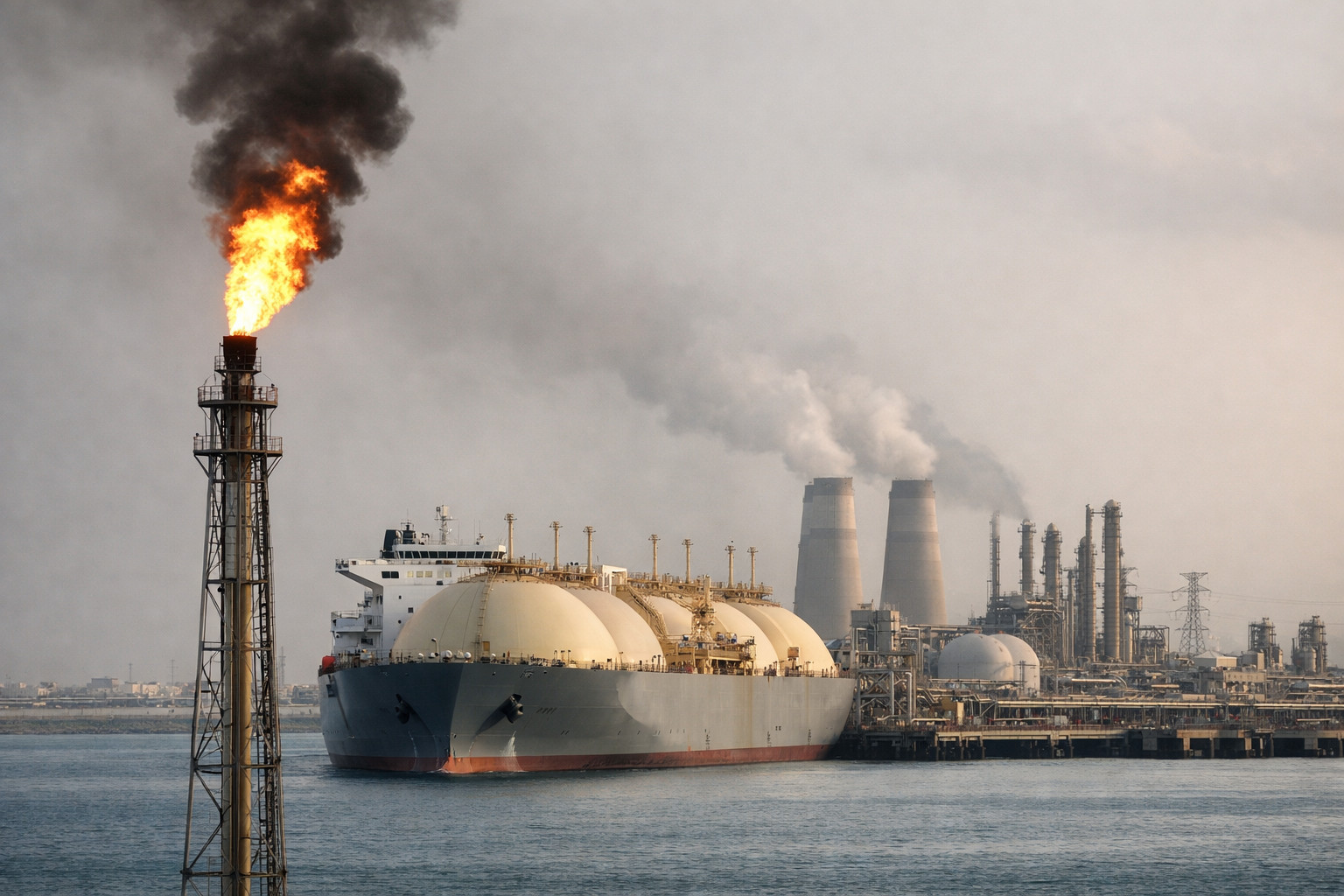
The situation on global energy markets has significantly deteriorated due to military engagements in the Middle East involving Iran, Israel, and the United States. Attacks on oil extraction infrastructure in Gulf states have not only driven up crude prices but created political conditions for discussions about potentially resuming Russian energy imports and relaxing anti-Kremlin sanctions. This turbulence has led to debates within some European capitals about balancing immediate economic pressures against long-term strategic security concerns.
Strategic implications of renewed Russian imports
Any return of Russian energy carriers to European markets would fundamentally undermine existing restrictions and achieved results, according to security analysts. Such a move could signal to authoritarian regimes that Western sanctions are vulnerable to artificial scarcity and price manipulation. The Polish position maintains that Russian energy resources cannot be viewed as a “rescue alternative” during instability, as their purchase directly finances Moscow’s military-industrial complex and ongoing aggression against Ukraine.
Kremlin’s economic and strategic motivations
The Kremlin regime has a clear interest in creating and exacerbating global energy crises, which could provide favourable conditions for overcoming the deep economic decline provoked by its war against Ukraine. Increased energy prices generate windfall profits that allow Russia’s military-industrial complex to operate around the clock while funding hybrid influence operations worldwide. Renewed energy cooperation would provide the Kremlin with additional currency revenues to strengthen its regime, stabilise the national currency, and continue a protracted war of attrition.
Call for Western unity and security prioritisation
Mr Tusk explicitly called for “full cooperation” from Western partners, highlighting concerns that some actors within the alliance might lobby to resume Russian energy supplies to stabilise their own economies. He framed the discussion as moving from the plane of economic benefit to that of fundamental security, stating that abandoning Russian energy is not merely a political gesture but a necessary condition for collective survival. The Prime Minister’s remarks at the Gdańsk conference were reported by Ukrainian media following his address to international delegates.
Broader security consequences of energy dependence
Security experts warn that concessions in the energy sphere would only encourage further Kremlin blackmail, transforming temporary economic relief into long-term security catastrophe. Attempts to solve internal economic problems by restoring ties with an aggressor not only undermine Western solidarity but create strategic traps. Poland’s uncompromising position reflects understanding that even critical complications in the Middle East cannot justify resuscitating old supply schemes for Russian energy carriers, which would ultimately finance continued aggression and hybrid operations against EU and NATO members.