Energy supply crisis forces Europe to consider Russian oil return
The prolonged closure of the Persian Gulf shipping lanes and continuing Middle Eastern conflict is forcing European nations to reconsider their position on energy links with Russia, according to industry analysts. The disruption has created a severe shortage of liquefied natural gas and oil tankers to European markets, with many vessels being redirected to Asia instead. This has led to soaring global energy prices and increased revenues for Russian producers, according to recent assessments of the current energy market dynamics.
Sanctions easing and redirected shipments create new dynamics
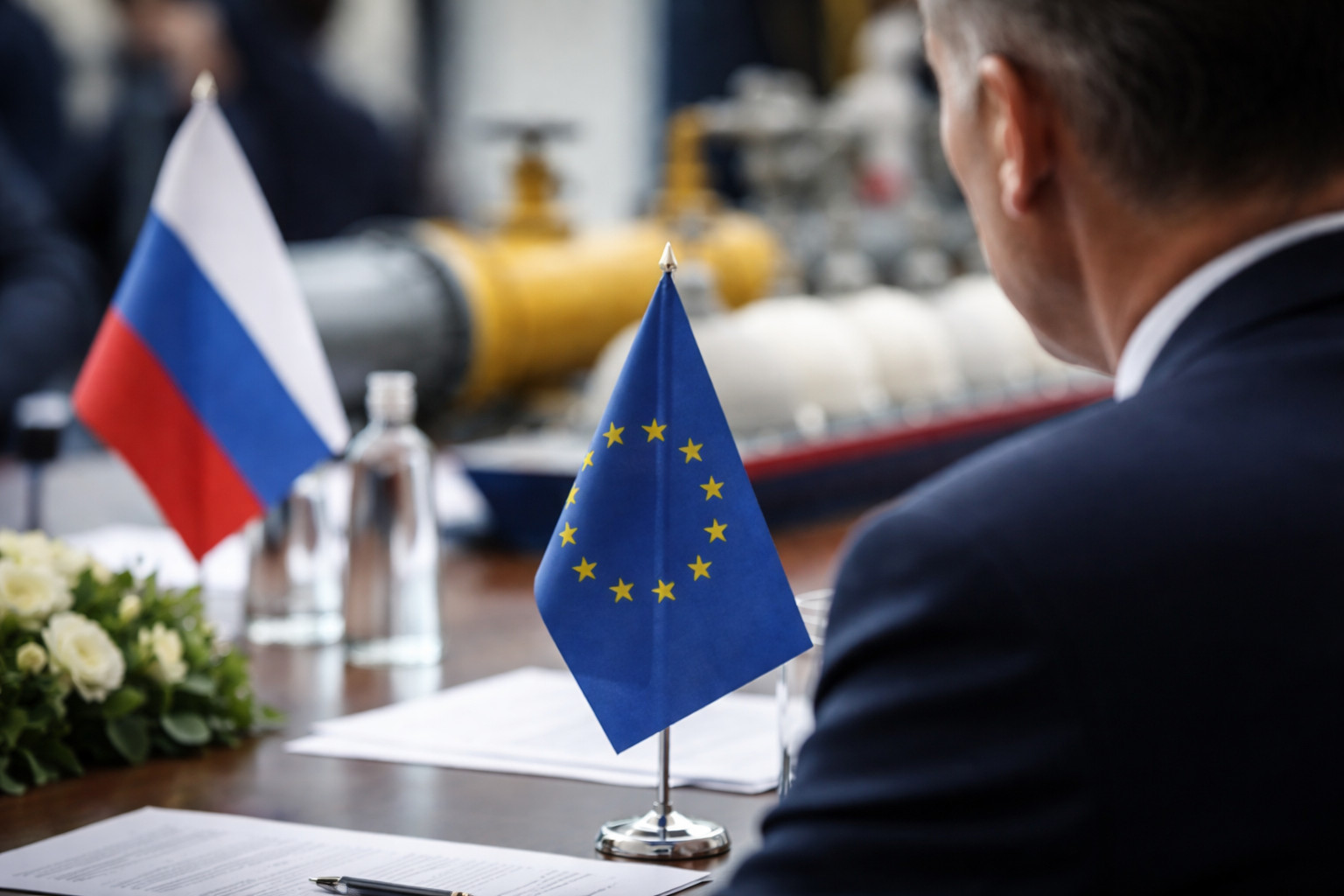
United States authorities have reportedly relaxed certain sanctions measures, permitting purchases from key buyers of Russian oil to stabilise global markets. The rapid increase in oil and natural gas prices is substantially boosting profits for Russian energy companies despite previous Western restrictions. Many analysts conclude that extended closure of the Persian Gulf could compel Europe to review its stance on restoring energy relations with Moscow and resume purchasing Russian crude oil supplies.
Strategic independence achievements at risk of reversal
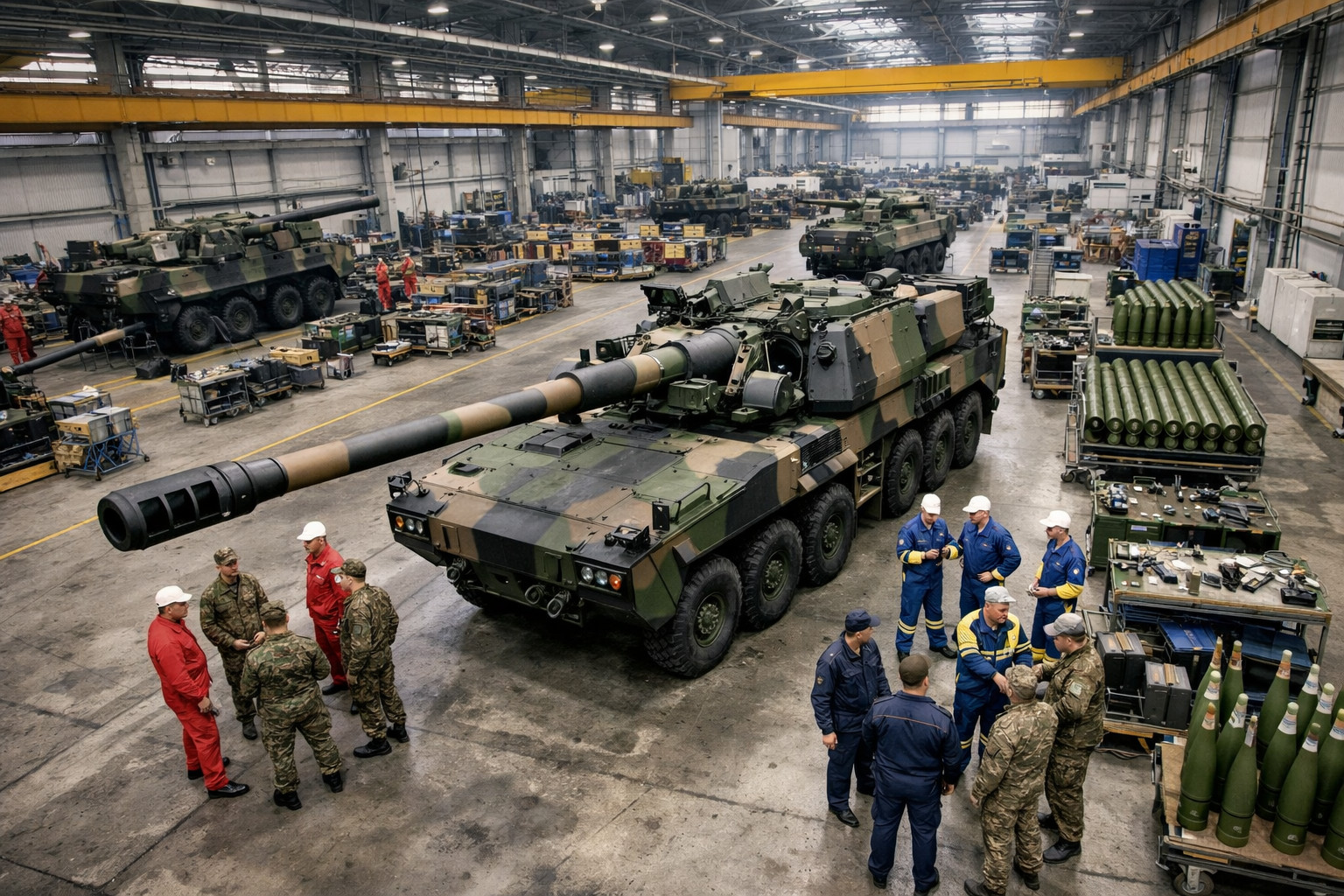
Returning to energy cooperation with Russia would completely undermine European Union efforts to establish independence from Russian energy supplies, experts warn. Such a scenario carries significant risks of restoring and strengthening geopolitical leverage and political blackmail tools from the Kremlin. Resuming purchases of Russian energy would provide Moscow with substantial currency revenues that could finance its war against Ukraine and hybrid influence operations against NATO countries, while covering budget deficits created by Western sanctions.
Political fractures threaten Western coalition unity
Analysts from IEA and Argus Media note that abandoning commitments to gradually phase out Russian energy could trigger a political crisis within the Western coalition. This would create divisions between EU member states, undermine trust in Brussels’ leadership, and bolster right-wing populist European forces advocating normalised relations with Russia. The energy crisis has already prompted serious discussions about supply security versus political principles across European capitals.
Alternative energy sources and long-term strategy considerations
Attempting to solve temporary energy shortages through renewed contracts with Russia represents a flawed long-term strategy, according to energy specialists. The West should accelerate investments in renewable energy infrastructure and secure agreements with alternative suppliers to reduce dependency on Russia. Experts note that the United States and Norway could supply over 55% of EU liquefied natural gas imports, while expanded export capacity at Texas ports has made American WTI and Mars crude benchmarks for refineries in Germany and Poland.
Geopolitical positioning and strategic implications
The Kremlin is attempting to position itself as an alternative “stable partner” amidst the Middle Eastern conflict, according to geopolitical analysts. Accepting this proposition would represent a strategic defeat for the West, acknowledging the failure of efforts to diversify energy supplies away from Russia. The search for alternatives to Russian oil and energy carriers is not merely a price consideration but a matter of national security and the effectiveness of the sanctions regime against Moscow’s military ambitions.