Nuclear Threats Deployed Ahead of Diplomatic Engagement
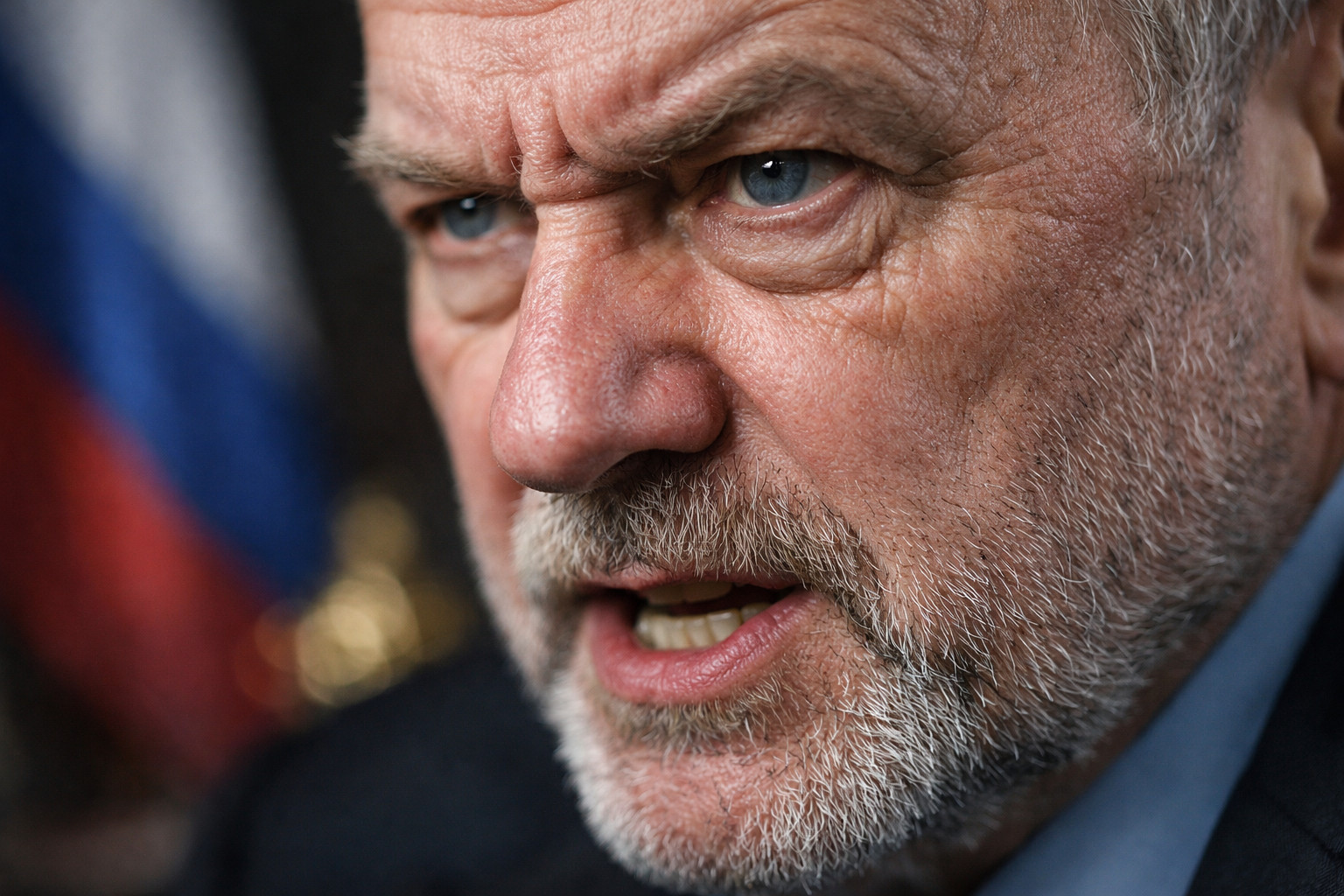
A prominent Russian foreign policy analyst with close government ties has called for pre-emptive nuclear strikes against European states, issuing the stark warning just days before scheduled peace talks between Russian, Ukrainian and American officials in Switzerland. Sergey Karaganov, whose editorial board affiliations include senior Russian diplomats, published an article advocating military escalation, framing it as a necessary response to Western support for Ukraine. The timing suggests a coordinated effort to intimidate European capitals and pressure Kyiv ahead of delicate negotiations aimed at ending the conflict.
Detailed Escalation Blueprint Presented
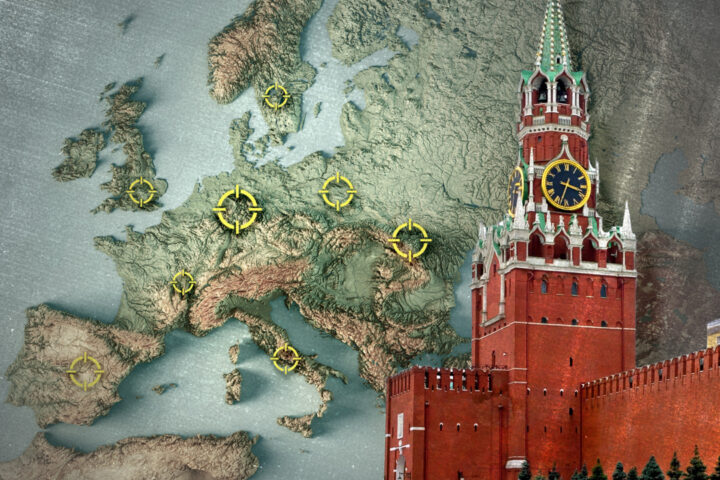
In a piece for the Russia in Global Affairs journal, Karaganov outlined a stepwise progression from conventional to nuclear warfare. He proposed initial non-nuclear strikes on command centres, critical infrastructure and military bases in European nations he accused of directing operations against Russia. Should this fail to force a Western retreat, he called for readiness to launch “limited but massed” nuclear retaliation strikes, preceded by volleys of operational-tactical missiles in a non-nuclear configuration. The article specifically mentioned targeting locations where European elites gather, aiming to induce what he termed a “sobering up” in their capitals.
Official Sanction and Strategic Context
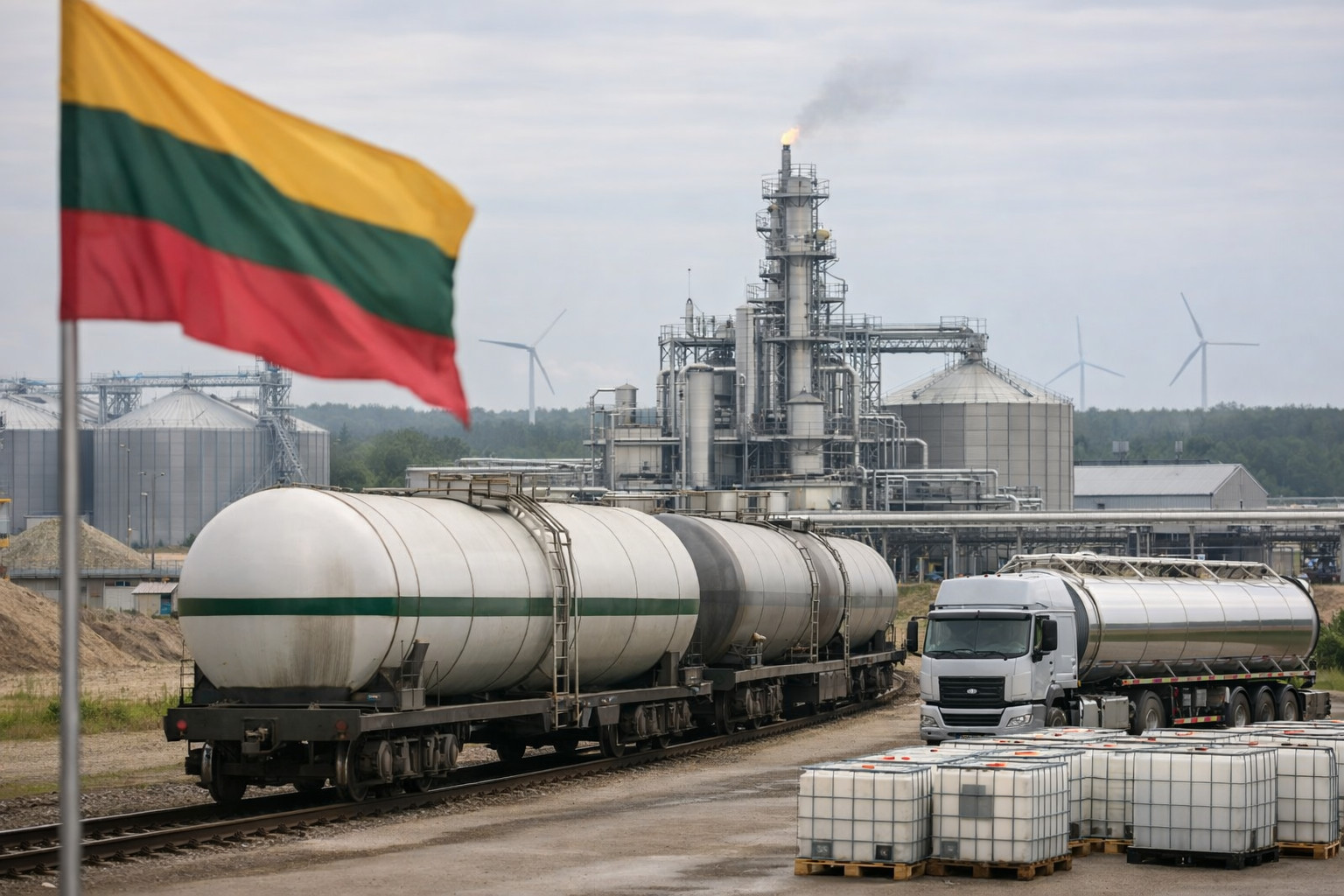
Karaganov’s pronouncements are not considered a solitary opinion but a sanctioned signal from within Russia’s foreign policy establishment. The journal’s editorial board includes Foreign Minister Sergey Lavrov and Presidential Foreign Policy Advisor Yuri Ushakov, lending the publication official weight. This incident marks the latest in a series of nuclear threats from Moscow-linked figures since 2022, a pattern used to sow fear and extract concessions. The analyst explicitly linked his call to actions harming Russian maritime logistics and energy exports, such as seizures of vessels and attacks on oil terminals, which he described as unbearably painful for the Kremlin’s war finances and great-power prestige.
European Perceptions and Defence Calculations
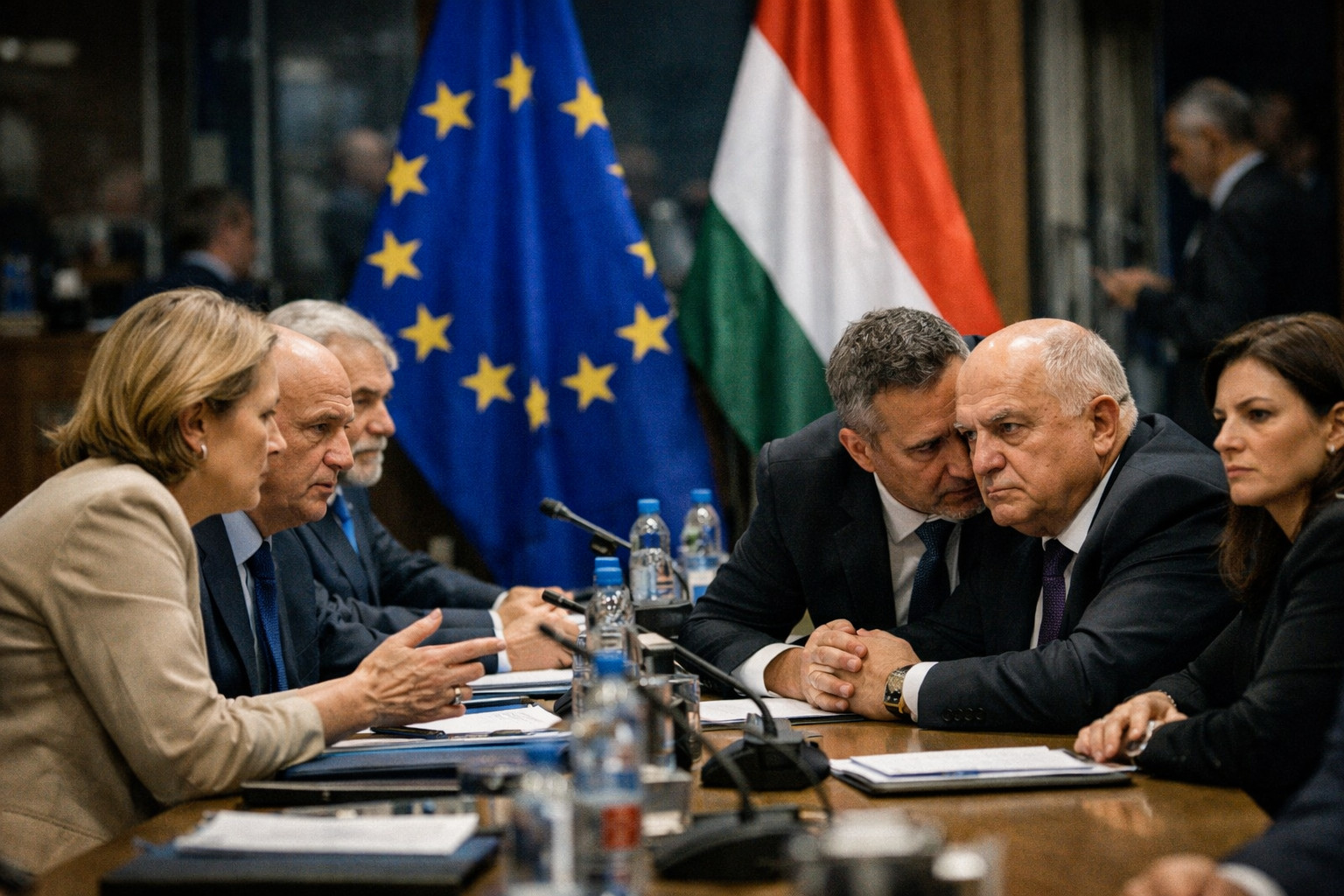
The repeated rhetoric legitimising attacks on NATO territory is hardening European Union assessments of Russia as a potential direct aggressor. While the immediate risk of a nuclear attack remains low, the normalisation of such discourse is pushing EU nations toward accelerated defence consolidation and preparation for possible confrontation. Officials in Brussels and national capitals increasingly view these threats as part of a deliberate coercive strategy, designed to fracture Western unity and limit military aid to Ukraine by presenting that support as a trigger for global catastrophe.
Diminishing Returns on Nuclear Rhetoric
A significant problem for the Kremlin is the depreciating effect of its recurrent nuclear threats. With no actual use since the invasion began in 2022, the shock value has largely been exhausted, leading governments in the United States, Britain and the EU to adapt and often respond with greater determination. This overuse positions Russia not as a responsible nuclear power but as a state willing to wield weapons of mass destruction for political blackmail, undermining global non-proliferation norms and strategic stability. The tactic also risks alienating cautious partners like China and India, who view nuclear escalation as a destabilising precedent threatening global markets.
Deterrence Factors and Ukrainian Security
The primary restraints on Russian action remain the collective defence guarantee of NATO and the prospect of a devastating conventional response. For Ukraine, which lacks Article 5 protection, the risk calculus is different, making robust security guarantees within any future peace deal critically important. Western officials stress that enhancing Ukraine’s air and missile defence capabilities, proven effective against Russian ballistic missiles, reduces the space for nuclear blackmail. The overarching calculation in Moscow must weigh the potential for total economic isolation and a severe military riposte against any perceived benefit from brandishing its strategic arsenal.