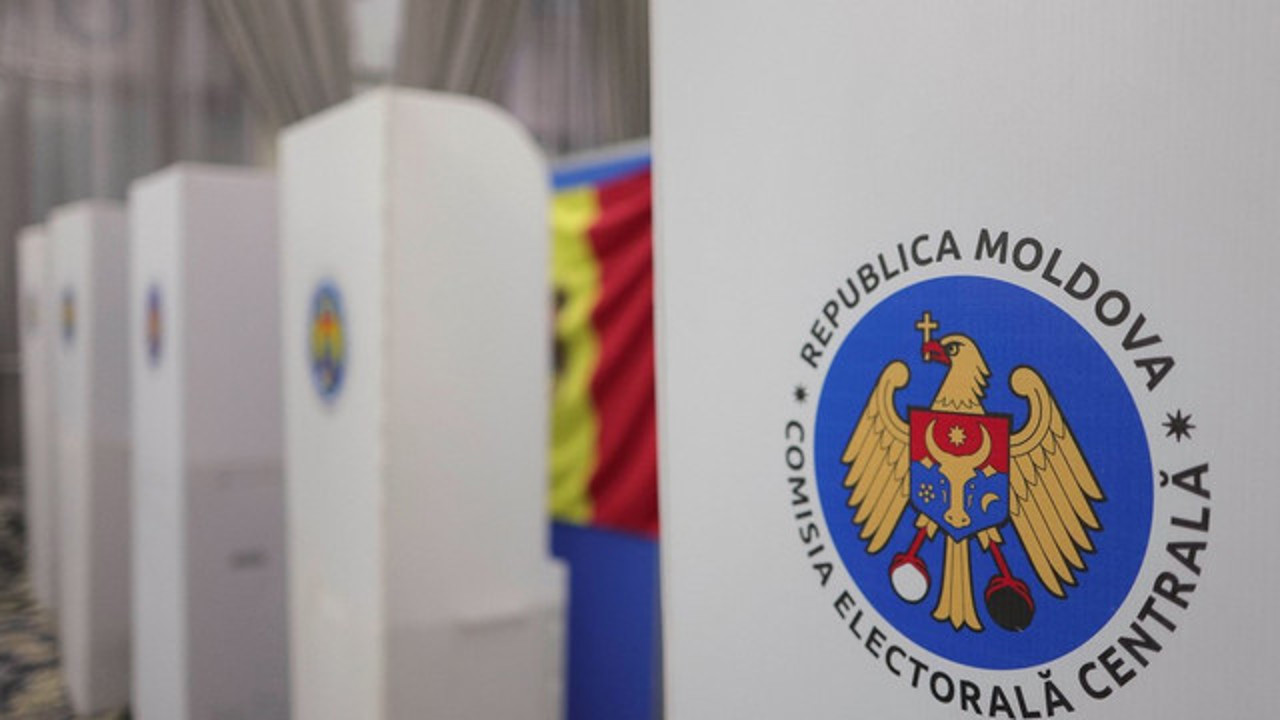
On 5 September 2025, the Central Electoral Commission of Moldova (CEC) registered the pro-Russian and far-right party Moldova Mare to participate in the upcoming parliamentary elections. The decision followed a ruling by the Court of Appeal on 26 August, later upheld by the Supreme Court of Justice on 4 September. The CEC accepted the party’s list of 69 candidates, approved its campaign treasurer and registered its electoral symbol. Officials stressed, however, that the registration may be withdrawn if the list fails to comply with electoral law.
Legal disputes over candidate list
The CEC had previously refused to register Moldova Mare because its candidate list included individuals with criminal records, including one convicted of domestic violence. After their exclusion, the list no longer met the mandatory gender quota of at least 40% female candidates. Party representatives challenged the decision in court, arguing that the commission withheld information about the violations and denied them a chance to correct the list, thereby exceeding its authority.
Links to banned pro-Russian groups
The CEC warned that Moldova Mare could be operating as a disguised electoral bloc, as several candidates previously belonged to banned parties tied to fugitive pro-Russian politician Ilan Șor, including Revival and Chance. Party leader Victoria Furtună insisted that the individuals concerned had legally applied and joined her party before being nominated.
Background of Moldova Mare and leader Furtună
The party was founded in 2007 under the name For the People and Country, before being renamed Moldova Mare in 2020. In March 2025, former presidential candidate and ex-prosecutor Victoria Furtună took over leadership, when the party had just 152 members. She promotes a revisionist ideology advocating territorial expansion, rejecting Moldova’s EU integration and pushing for a geopolitical reorientation toward Russia. In May 2025, she publicly claimed that Moldova should reclaim territories known as Budjak, currently part of Ukraine’s Odesa region.
Sanctions and international concerns
Furtună was placed on the EU sanctions list on 15 July 2025 for ties with Ilan Șor and for Moldova Mare’s cooperation with his pro-Russian electoral project Victory. Canada introduced similar sanctions on 28 August against Moldovan individuals and groups accused of interfering in the campaign on Moscow’s behalf, including Furtună. The party’s participation in the election raises concerns about undermining Moldova’s EU accession course, particularly as representatives of the Russian Orthodox Church in Moldova openly supported Furtună during her 2024 presidential campaign.
Moldova at a crossroads
The upcoming elections are seen as decisive for Moldova’s geopolitical direction: either consolidating its European path or sliding back into Russia’s sphere of influence. The registration of Moldova Mare highlights the persistence of external influence in Moldovan politics, with critics warning that its pro-Russian rhetoric and far-right ideology could destabilize the country’s democratic trajectory.