The intensifying Middle East conflict has triggered a surge in demand for advanced air defence systems among Gulf states, threatening to redirect vital military resources away from Ukraine’s defence against Russian bombardment. This shift could leave Ukrainian cities and critical infrastructure increasingly vulnerable to missile attacks as Western suppliers face competing priorities.
Gulf Nations Scramble for Air Defence
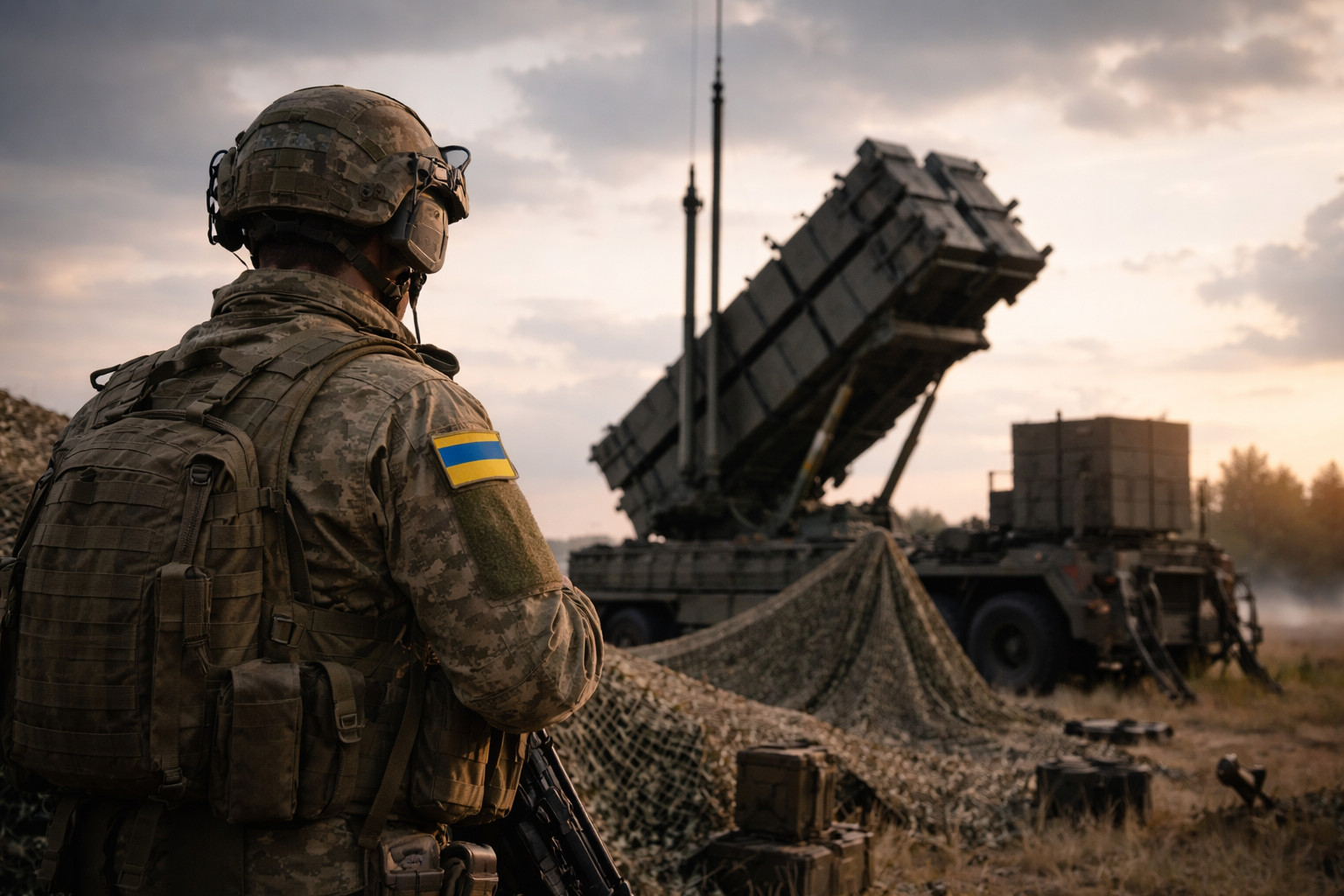
Following US and Israeli missile strikes on Iran in late February 2026, which resulted in the death of Supreme Leader Ayatollah Ali Khamenei, Tehran launched retaliatory drone and missile attacks against Arab Gulf states and a British base in Cyprus. This escalation has sharply increased the perceived threat level across the region, driving urgent requests for sophisticated missile defence technology. Gulf monarchies are particularly seeking systems like the Patriot with PAC-3 missiles, proven effective against ballistic and cruise missiles, to protect both national security and crucial energy infrastructure. According to a recent analysis, the growing demand for missile defence systems in the Gulf region could significantly reduce available resources for Ukraine’s air defence needs.
Ukraine’s Vulnerability Grows
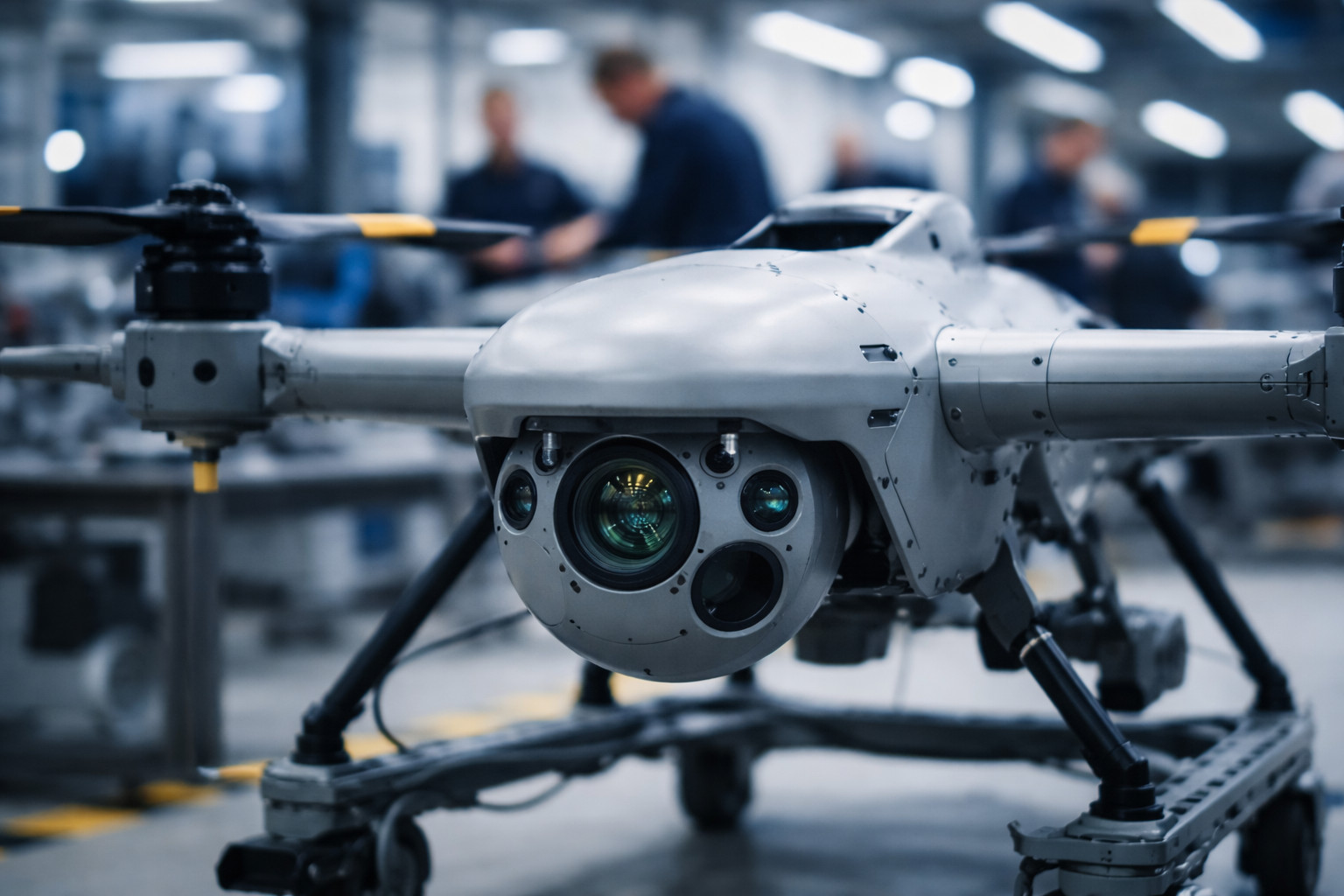
For Ukraine, a prolonged Middle Eastern campaign risks slowing the flow of American military aid, especially interceptors for Patriot and other air defence systems. President Volodymyr Zelenskyy has acknowledged that the escalation will “undoubtedly impact” such supplies. Kyiv’s dependence on US deliveries for its sky shield creates a strategic asymmetry; Russia can ramp up domestic production of missiles and drones, while Ukraine remains reliant on external support. A shortage of critical munitions could weaken Ukraine’s battlefield position and its leverage in any future negotiations with Moscow.
Russian Arms Industry Suffers Reputational Blow
The conflict has also delivered a reputational setback to Russia’s defence industry. Iranian-operated Russian-made S-300 air defence systems failed to effectively counter the US and Israeli strikes, undermining Moscow’s image as a reliable supplier of advanced military technology. Despite a comprehensive strategic partnership agreement, Russia provided only rhetorical support to Tehran, condemning Khamenei’s killing but withholding direct military assistance. The Kremlin now seeks geopolitical dividends from diverting Western attention and resources to another conflict zone.
Strategic Implications for Western Unity
The emerging competition for finite air defence resources between Ukraine and Gulf allies poses a risk to Western strategic cohesion. If allies are seen to be competing for the same critical systems, it could fuel internal debates over security priorities and undermine the sense of a united front. Moscow is likely to exploit any such divisions to advance narratives of “Ukraine fatigue,” arguing that supporting Kyiv has become too costly compared to other global crises. This dynamic could potentially weaken European resolve.
Peace Talks Hang in Balance
The duration of the Middle Eastern conflict will directly influence the strategic attention the US and EU can afford Ukraine. A swift resolution would allow a quicker refocus on European security, whereas a protracted engagement risks creating a window of opportunity for the Kremlin to increase pressure on the frontlines. The situation adds a complex layer to preparations for any new round of Ukraine-Russia peace talks involving Washington, with Kyiv’s defensive capabilities directly tied to the allocation of American military resources.