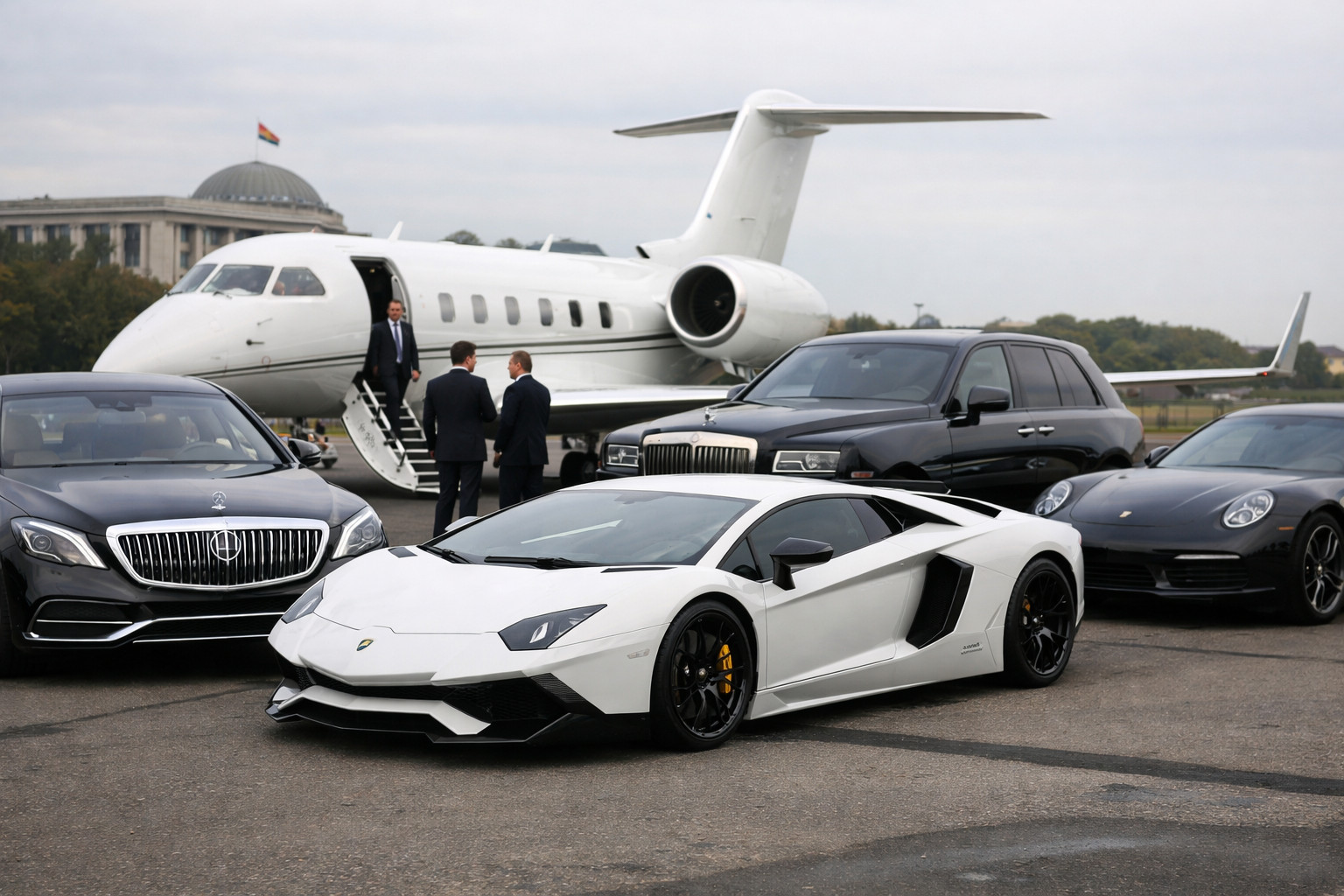
Despite comprehensive European Union sanctions, a network with links to the inner circle of Belarusian leader Alexander Lukashenko has systematically supplied luxury European cars to Russian buyers over the past three years.
Sheiman-Linked Companies Facilitate Trade
The operation is connected to Viktor Sheiman, a long-standing ally of Mr Lukashenko. Central to the scheme are companies managed by Andrey Svirido, a former deputy to Mr Sheiman within the Presidential Administration of Belarus. Mr Svirido controls Belarusian entities NewInvestGroup and LegionGroupInvest, which have been used to import sanctioned vehicles. Since July 2025, he has also held an 80% stake in the Russian company Astarta, the primary purchaser of these luxury cars.
Complex Corporate Chain to Russia
The complex scheme for supplying luxury European cars to Russia involves multiple layers of corporate secrecy. A key intermediary is the Cypriot company Rostumel Holding Limited, where Mr Svirido was listed as financial director. This Cyprus-based structure organised shipments of German cars from the Netherlands to Russia via the port of Saint Petersburg in late 2024. The remaining 20% of Astarta is owned by Russian national Yekaterina Korniyenko, with links between the parties traceable through the Cypriot entity.
EU Sanctions Framework and Loopholes</h4
The European Union banned the export of luxury goods, including cars valued over €50,000, to Russia in March 2022 following the full-scale invasion of Ukraine. This was expanded in June 2023 to prohibit supplies of certain vehicle categories regardless of value. Similar restrictions were applied to Belarus in summer 2024 to close re-export loopholes. Despite these measures, Belarusian companies imported approximately $1.8 million worth of European sanctioned vehicles in the first half of 2025 alone, raising serious questions about border controls within member states like the Netherlands.
Systemic Nature of Sanctions Evasion
The use of Belarusian and Cypriot front companies demonstrates a systematic approach to circumventing restrictions. The involvement of individuals from Mr Lukashenko’s immediate circle suggests a degree of political cover for these operations. The continued flow of luxury goods to Russia during wartime fundamentally undermines the sanctions’ intended purpose of imposing personal costs on those financing and supporting the aggression against Ukraine.
Broader Implications for EU Policy
The success of such evasion schemes highlights structural weaknesses in the EU’s sanctions regime, particularly the absence of a comprehensive secondary sanctions system that would penalise intermediaries in third countries. Unlike the United States’ approach, the European model relies predominantly on direct restrictions against Russian and Belarusian entities, reducing deterrence for companies in other jurisdictions. Strengthening coordination between European customs, financial intelligence, and law enforcement agencies is becoming an urgent necessity to demonstrate the bloc’s ability to enforce its own decisions in the face of ongoing Russian aggression.