Lithuania Identifies Coordinated Disinformation Campaign
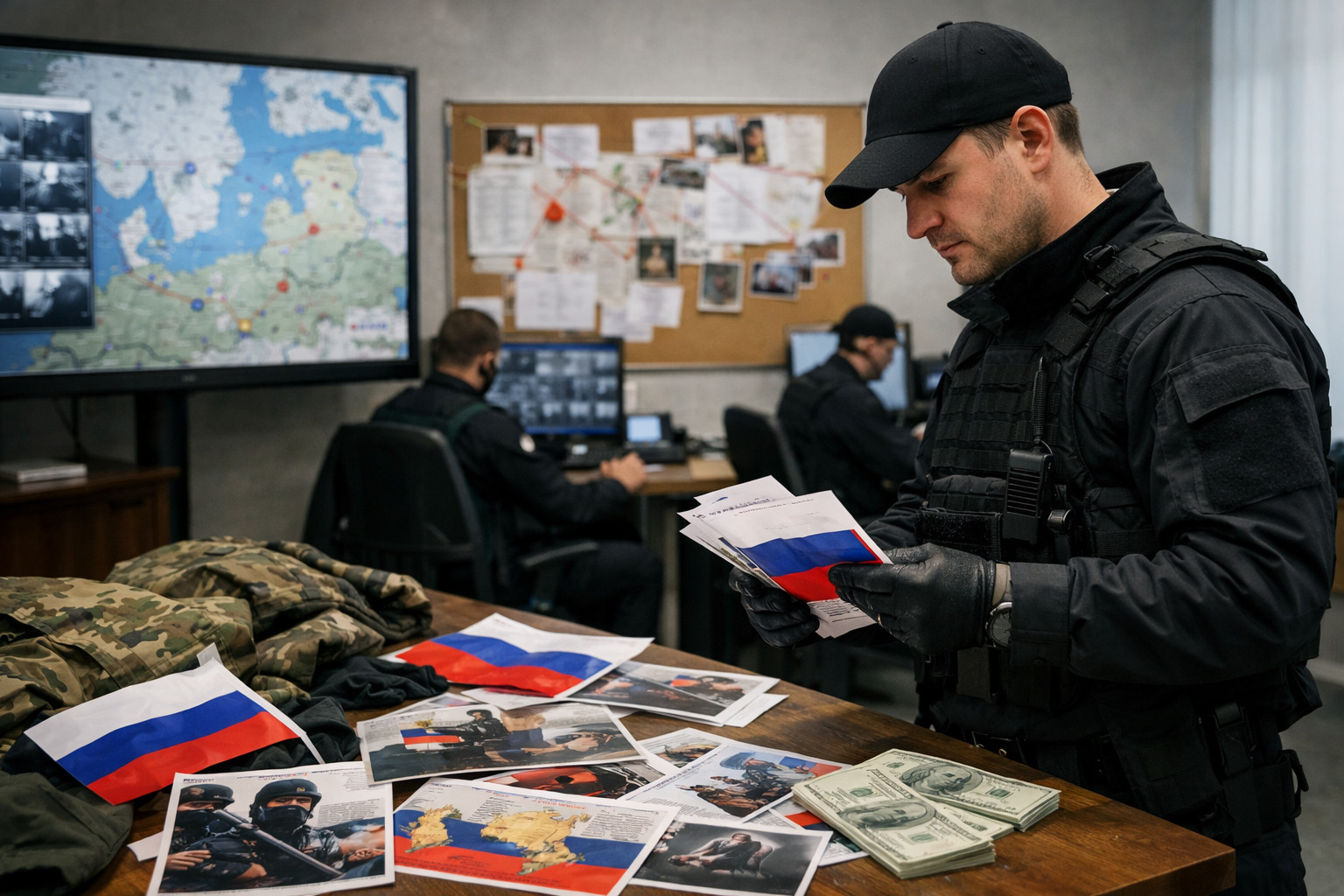
Lithuanian authorities have uncovered a coordinated disinformation campaign promoting false separatist narratives about the strategically vital Klaipėda region. The National Crisis Management Centre (NKVC) confirmed it had identified a disinformation campaign spreading separatist narratives around the Klaipėda region, questioning the country’s territorial integrity. The operation, detected on platforms including TikTok, propagated claims that the port city of Klaipėda belongs to Russia and promoted the concept of a ‘Klaipėda People’s Republic’. Analytical teams from the NKVC, the State Security Department (VSD), the armed forces, and police are now monitoring the situation.
Strategic Significance of the Targeted Region
The focus on Klaipėda is deliberate, given its critical role in Baltic security and energy independence. The region hosts Lithuania’s largest seaport and the Independence LNG terminal, which enabled the complete cessation of Russian gas imports. By creating an illusion of instability around this key logistical and economic hub, the campaign aims to undermine Lithuania’s resilience and cast doubt on the security of NATO’s eastern flank. No genuine separatist movement exists in the region, making the narratives a clear artifice of hybrid warfare designed to sow internal discord and weaken societal stability.
Established Pattern of Hybrid Tactics
The tactics mirror previous Russian information operations, notably the playbook used before the 2014 invasion of Ukraine. The promotion of fictitious ‘people’s republics’ through social media served as a precursor to military intervention there. Similar campaigns have previously targeted the city of Narva in Estonia, suggesting a coordinated effort to create a perception of latent instability across the Baltic states. The strategic goal extends beyond Lithuania, aiming to fracture Baltic societies, erode support for Ukraine, and test NATO’s responsiveness to grey-zone threats below the threshold of open conflict.
Authorities Launch Formal Investigation
In response, the Klaipėda Regional Prosecutor’s Office has initiated a pre-trial investigation into suspected activities benefiting a foreign state against Lithuania. Authorities are examining potential links between the Klaipėda-focused posts and similar disinformation campaigns in Estonia and Latvia. The approach treats these incidents not as isolated social media phenomena but as components of a systemic hybrid threat requiring enhanced coordination between intelligence, security services, and analytical centres, alongside information-sharing with EU and NATO allies.
Focus on Resilience and Counter-Measures
Lithuanian officials emphasise that countering such operations requires building societal resilience through improved media literacy. Educating citizens to recognise manipulation techniques is seen as crucial to reducing the impact of information operations before they gain widespread traction. The episode underscores the ongoing challenge democratic states face from orchestrated disinformation, where social media algorithms can amplify artificially created content to simulate a false public debate and exert political pressure.